Share
TL;DR
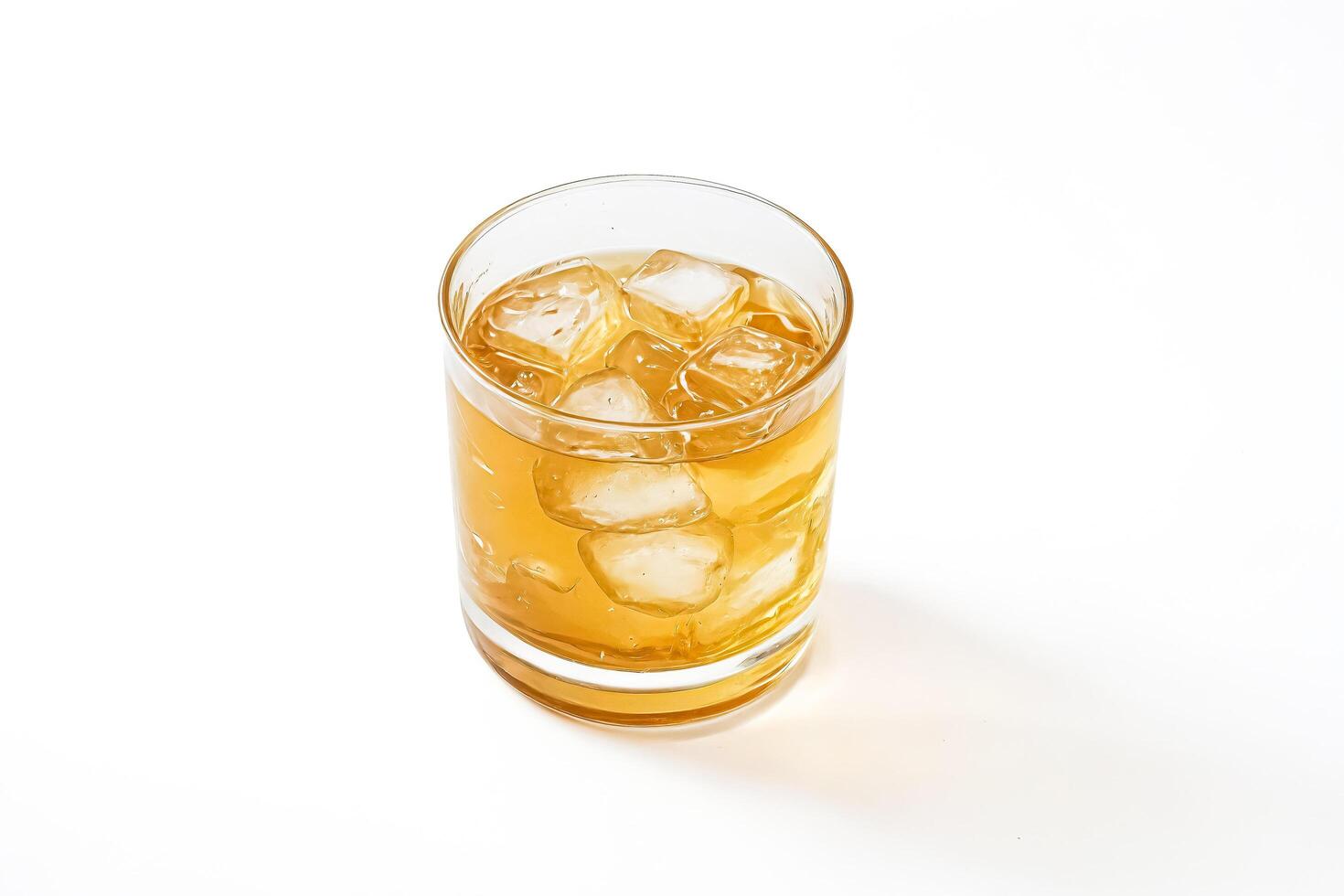
Generally, pure Scotch whisky is considered gluten-free because the distillation process removes gluten proteins from the final product. However, some whisky producers may add flavorings or other ingredients after distillation that could potentially contain gluten, so it’s always best to check with the specific brand or manufacturer if you have celiac disease or severe gluten sensitivity.
Quick Tips
1Antioxidant Properties: Scotch whiskey contains antioxidants, particularly phenolic compounds, which can help combat oxidative stress in the body. Research shows that Scotch whiskey has antioxidant activity greater than some other beverages, contributing to overall health benefits
2Gluten-Free Option: Due to the distillation process, most Scotch whiskeys are gluten-free, making them suitable for individuals with gluten sensitivities (though it’s always best to check specific brands).
3While there are potential benefits associated with moderate consumption of Scotch whiskey, excessive alcohol intake can lead to numerous health problems. Always consult with a healthcare professional for personalized advice regarding alcohol consumption and its effects on health.
# In This Article
3 sectionsQuick navigation to each section of this article:
1 Benefits of Scotch Whiskey
Antioxidant Properties: Scotch whiskey contains antioxidants, particularly phenolic compounds, which can help combat oxidative stress in the body.
Jump2 Who should avoid Scotch Whiskey
Pregnant women or those trying to conceive
Jump3 Related Gluten Free Products
Here are five gluten-free options similar to Scotch Whiskey, along with short descriptions:
JumpBenefits of Scotch Whiskey
| Benefits of Scotch Whiskey |
|---|
| Antioxidant Properties: Scotch whiskey contains antioxidants, particularly phenolic compounds, which can help combat oxidative stress in the body. Research shows that Scotch whiskey has antioxidant activity greater than some other beverages, contributing to overall health benefits |
| Gluten-Free Option: Due to the distillation process, most Scotch whiskeys are gluten-free, making them suitable for individuals with gluten sensitivities (though it’s always best to check specific brands). |
| While there are potential benefits associated with moderate consumption of Scotch whiskey, excessive alcohol intake can lead to numerous health problems. Always consult with a healthcare professional for personalized advice regarding alcohol consumption and its effects on health. |
Who should avoid Scotch Whiskey
| Who should avoid Scotch Whiskey |
|---|
| Pregnant women or those trying to conceive |
| Individuals under the legal drinking age |
| People with alcohol use disorder or a history of alcohol abuse |
| Those taking medications that interact negatively with alcohol |
| Individuals with liver disease or other liver problems |
| People with certain gastrointestinal conditions, such as ulcers or gastritis |
| Those with a history of pancreatitis |
| Individuals with certain heart conditions or high blood pressure |
| People with diabetes, as alcohol can affect blood sugar levels |
| Those operating machinery or vehicles |
| Individuals with allergies or sensitivities to ingredients in Scotch Whiskey |
| People with gout, as alcohol can trigger flare-ups |
| Those on a strict calorie-controlled diet |
| Individuals with a history of depression or anxiety, as alcohol can exacerbate symptoms |
| People with compromised immune systems |
| Those participating in activities requiring clear judgment and quick reflexes |
| Individuals with religious or personal beliefs that prohibit alcohol consumptionRemember, this list is not exhaustive, and it’s always best to consult with a healthcare professional about alcohol consumption if you have any concerns or medical conditions. |
Related Gluten Free Products
Here are five gluten-free options similar to Scotch Whiskey, along with short descriptions:
| Related Gluten Free Products |
|---|
| Bourbon: An American whiskey made primarily from corn (at least 51%) and aged in new charred oak barrels. It's known for its sweet, full-bodied flavor with notes of vanilla, caramel, and oak. |
| Rum: A spirit distilled from sugarcane byproducts like molasses or sugarcane juice. It comes in various styles, from light and crisp to dark and rich, often with flavors of caramel, vanilla, and tropical fruits. |
| Tequila: Made from the blue agave plant, this Mexican spirit offers a unique flavor profile. It can range from crisp and citrusy in its unaged form (blanco) to smooth and complex when aged (añejo), with notes of pepper, earth, and herbs. |
| Cognac: A type of brandy made from white grapes in the Cognac region of France. It's known for its smooth, rich flavor with notes of fruit, oak, and spices, often with a long, warming finish. |
| Potato Vodka: While most vodkas are gluten-free, potato vodka is a safe bet for those with gluten sensitivities. It's a neutral spirit with a clean, smooth taste and a slightly creamy texture, making it versatile for cocktails or sipping. |
Health Information
? Frequently Asked Questions
4 questions1 Which Scotch whisky is gluten-free?
2 What whiskey is not gluten-free?
3 What whiskey is 100% gluten-free?
4 Is Crown Royal whiskey gluten-free?
Our Expert
Drs. Ilse van Asperen
Orthomolecular Therapist, Nutritional Coach & Professional Editor
Drs. Ilse van Asperen is a medical doctor specialising in orthomolecular therapy and nutritional coaching. With a background in public and clinical health research and management, she focuses on addressing the root causes of health issues through diet, gut health, and stress reduction. As a professional editor for Little Helpers, she reviews all gluten-free content to ensure accuracy, safety, and scientific credibility. Read more on Drs. Ilse van Asperen's own website
Our Sources
The information on this page is based on reputable health and nutrition organisations, ensuring accuracy and reliability for anyone following a gluten-free diet. For further details, see the sources below.