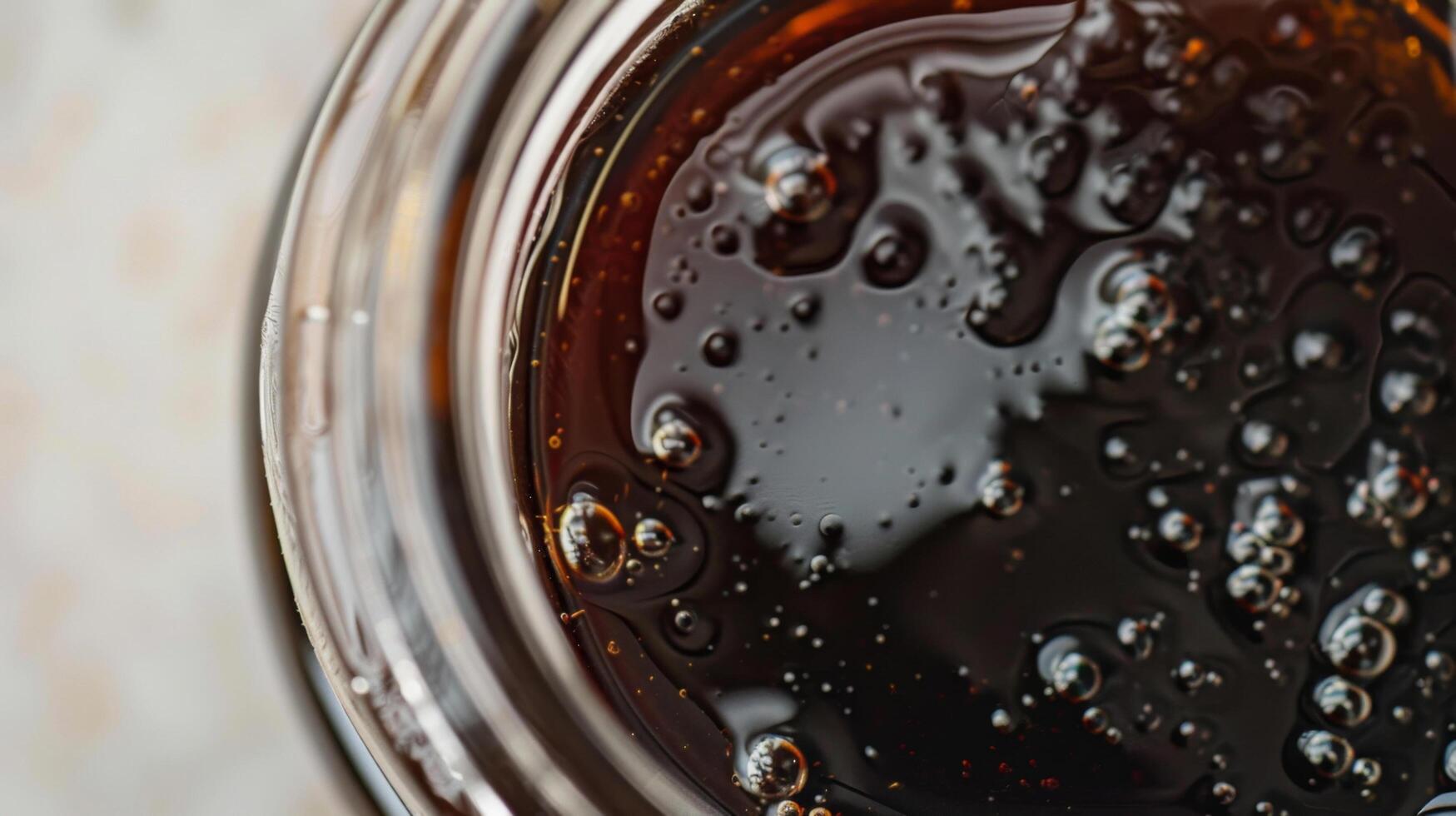
Is Barley Extract Gluten Free?

Is Barley Extract Gluten Free?

Barley extract typically contains gluten, as barley is one of the grains that naturally contains gluten proteins. Therefore, barley extract is generally not considered gluten-free and should be avoided by individuals with celiac disease or gluten sensitivity.

TL;DR

Barley extract typically contains gluten, as barley is one of the grains that naturally contains gluten proteins. Therefore, barley extract is generally not considered gluten-free and should be avoided by individuals with celiac disease or gluten sensitivity.

Quick Tips

1

Rich in antioxidants: Helps protect cells from oxidative stress and may reduce the risk of chronic diseases

2

May lower cholesterol: Contains beta-glucans, which can help reduce LDL (bad) cholesterol levels

3

Blood sugar management: May help regulate blood sugar levels and improve insulin sensitivity

# In This Article

3 sections

Quick navigation to each section of this article:

1 Benefits of Barley Extract

Rich in antioxidants: Helps protect cells from oxidative stress and may reduce the risk of chronic diseases

Jump
2 Who should avoid Barley Extract

People with celiac disease or gluten sensitivity, as barley contains gluten

Jump
3 Gluten Free Alternatives

Here are five gluten-free alternatives to Barley Extract, along with short descriptions:

Jump

Benefits of Barley Extract

Benefits of Barley Extract
Rich in antioxidants: Helps protect cells from oxidative stress and may reduce the risk of chronic diseases
May lower cholesterol: Contains beta-glucans, which can help reduce LDL (bad) cholesterol levels
Blood sugar management: May help regulate blood sugar levels and improve insulin sensitivity
Supports digestive health: Contains dietary fiber that promotes healthy digestion and gut bacteria
Weight management: The fiber content can help increase feelings of fullness and potentially aid in weight control
Boosts immune system: Contains compounds that may enhance immune function
Heart health: May help reduce the risk of cardiovascular diseases due to its cholesterol-lowering and anti-inflammatory properties
Potential anti-cancer properties: Some studies suggest it may have anti-tumor effects, though more research is needed
Skin health: Contains antioxidants that may help protect skin from damage and aging
Liver protection: May help protect the liver from damage and support its detoxification functions
Reduces inflammation: Contains compounds with anti-inflammatory properties
Supports bone health: Contains minerals like calcium and phosphorus that are important for bone healthRemember that while these benefits are promising, more research is needed in some areas, and it’s always best to consult with a healthcare professional before using barley extract as a supplement.

Who should avoid Barley Extract

Who should avoid Barley Extract
People with celiac disease or gluten sensitivity, as barley contains gluten
Individuals with wheat allergies, due to potential cross-contamination
Those with barley allergies or sensitivities
People with diabetes, as barley may affect blood sugar levels
Individuals taking medications for diabetes, as barley may interact with these drugs
Those scheduled for surgery, as barley may affect blood sugar control during and after the procedure
People with hormone-sensitive conditions, as barley may have estrogen-like effects
Individuals with digestive disorders, such as irritable bowel syndrome (IBS), who may be sensitive to certain carbohydrates in barley
Pregnant or breastfeeding women, unless advised by a healthcare professional
People taking certain medications that may interact with barley, such as antibiotics or drugs affecting blood clotting
Those with compromised immune systems, as raw barley grass may carry a risk of bacterial contamination
Individuals with kidney problems, as barley is high in phosphorus and may need to be limited in their dietAlways consult with a healthcare professional before adding barley extract to your diet, especially if you have any existing health conditions or are taking medications.
ENJOY YOUR FAVORITE FOODS FEARLESSLY!
Don’t let gluten hold you back. Take Anti-Gluten Pills before your meal and enjoy peace of mind.
SHOP ANTI-GLUTEN PILLS
Clinically proven · Up to 86% gluten reduction · Fast acting

Gluten Free Alternatives

Here are five gluten-free alternatives to Barley Extract, along with short descriptions:

Gluten Free Alternatives
Rice Extract:Derived from rice grains, this extract offers a mild, slightly sweet flavor. It's commonly used in gluten-free brewing and as a natural sweetener in various food products.
Corn Extract:Made from corn, this extract provides a subtle sweetness and can be used as a flavoring agent or fermentation aid in gluten-free beer production and food manufacturing.
Sorghum Extract:Extracted from sorghum grains, this alternative offers a slightly sweet and nutty flavor profile. It's often used in gluten-free brewing and as a natural sweetener in food products.
Tapioca Extract:Derived from cassava roots, tapioca extract is a neutral-tasting alternative that can be used as a thickener, stabilizer, or sweetener in various gluten-free food applications.
Maple Extract:Made from concentrated maple syrup, this extract provides a distinct maple flavor and natural sweetness. It can be used as a flavoring agent in gluten-free baked goods, beverages, and other food products.

Health Information

? Frequently Asked Questions

4 questions
1 Is barley OK for gluten intolerance?
Barley is not safe for people with gluten intolerance. It contains gluten, which can trigger symptoms in those with celiac disease or non-celiac gluten sensitivity. Individuals with gluten intolerance should avoid barley and products made with barley, such as many beers and some soups or stews. There are gluten-free alternatives available for those who need to avoid barley in their diet.
2 Can gluten allergy have barley malt extract?
Yes, individuals with gluten allergies or sensitivities should generally avoid barley malt extract. Barley malt extract is derived from barley, which contains gluten. Even though the gluten content in barley malt extract may be low, it can still potentially trigger reactions in people with gluten allergies. It's best for those with gluten issues to consult their doctor or dietitian and err on the side of caution by avoiding products containing barley malt extract.
3 Is barley flavoring gluten-free?
Barley flavoring is typically not gluten-free. Barley contains gluten, and flavoring derived from barley will likely contain gluten as well. People with celiac disease or gluten sensitivity should avoid barley flavoring. It's important to carefully check ingredient labels and consult with manufacturers if unsure about the gluten content of a product containing barley flavoring.
4 Why is barley malt not gluten-free?
Barley malt is not gluten-free because barley naturally contains gluten proteins. Gluten is a group of proteins found in cereal grains like wheat, barley, and rye. The malting process, which involves germinating and drying barley, does not remove or destroy these gluten proteins. Therefore, any product made with barley malt, including many beers and some food items, will contain gluten and is not safe for those with celiac disease or gluten sensitivity.
LIVE GLUTEN-FREE WITHOUT THE FUSS!
Introducing Tolerase® G, clinically proven to reduce up to 86% of gluten in under 10 minutes. Experience the freedom to eat what you love.
SHOP ANTI-GLUTEN PILLS
150mg pure Tolerase® G · Reduces gluten by 86% · Under 10 minutes

Our Expert

Drs. Ilse van Asperen, Orthomolecular Therapist and Nutritional Coach

Drs. Ilse van Asperen

Orthomolecular Therapist, Nutritional Coach & Professional Editor

Drs. Ilse van Asperen is a medical doctor specialising in orthomolecular therapy and nutritional coaching. With a background in public and clinical health research and management, she focuses on addressing the root causes of health issues through diet, gut health, and stress reduction. As a professional editor for Little Helpers, she reviews all gluten-free content to ensure accuracy, safety, and scientific credibility. Read more on Drs. Ilse van Asperen's own website

Our Sources

The information on this page is based on reputable health and nutrition organisations, ensuring accuracy and reliability for anyone following a gluten-free diet. For further details, see the sources below.
Sources

Similar Articles

Back to blog