Is Almond Butter Gluten Free?

Is Almond Butter Gluten Free?

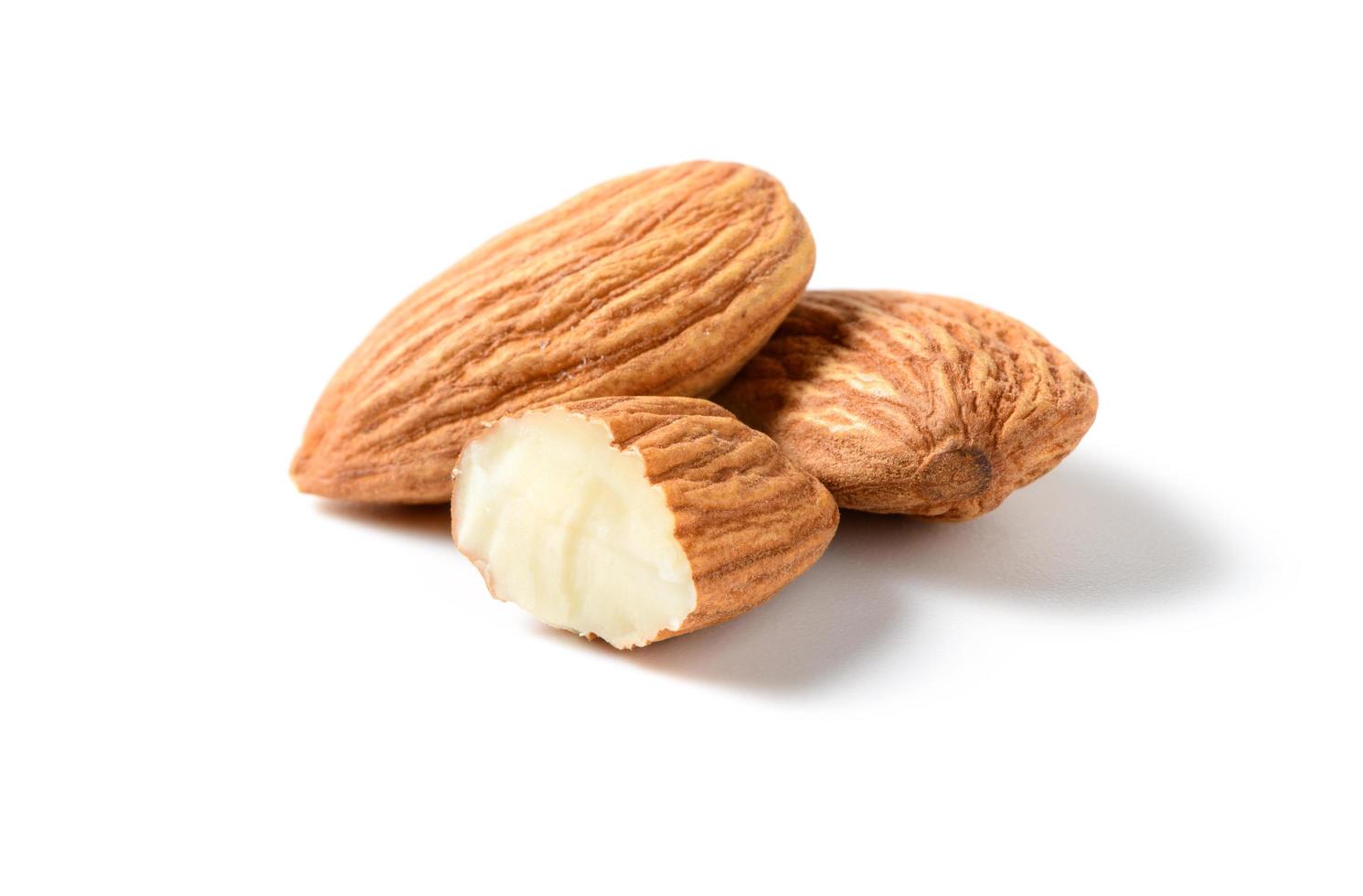
Yes, pure almond butter is naturally gluten-free as it is made solely from ground almonds, which do not contain gluten. However, it’s always important to check the label of any packaged almond butter to ensure no gluten-containing ingredients have been added during processing or as stabilizers.

TL;DR

Yes, pure almond butter is naturally gluten-free as it is made solely from ground almonds, which do not contain gluten. However, it’s always important to check the label of any packaged almond butter to ensure no gluten-containing ingredients have been added during processing or as stabilizers.

Quick Tips

1

Rich in healthy monounsaturated fats, which can help lower bad cholesterol and reduce heart disease risk

2

High in vitamin E, an antioxidant that supports immune function and skin health

3

Good source of magnesium, which is important for bone health, muscle function, and energy production

# In This Article

3 sections

Quick navigation to each section of this article:

1 Benefits of Almond Butter

Rich in healthy monounsaturated fats, which can help lower bad cholesterol and reduce heart disease risk

Jump
2 Who should avoid Almond Butter

Individuals with tree nut allergies: Almonds are tree nuts, and those with allergies to tree nuts should avoid almond butter.

Jump
3 Related Gluten Free Products

Here are five similar gluten-free options like Almond Butter, along with short descriptions:

Jump

Benefits of Almond Butter

Benefits of Almond Butter
Rich in healthy monounsaturated fats, which can help lower bad cholesterol and reduce heart disease risk
High in vitamin E, an antioxidant that supports immune function and skin health
Good source of magnesium, which is important for bone health, muscle function, and energy production
Contains fiber, which aids in digestion and promotes feelings of fullness
Provides plant-based protein, making it a good option for vegetarians and vegans
Contains minerals like calcium, potassium, and iron, supporting various bodily functions
Low in saturated fat compared to many other nut butters
May help regulate blood sugar levels due to its combination of protein, healthy fats, and fiber
Contains antioxidants that can help protect cells from damage caused by free radicals
May support weight management when consumed in moderation as part of a balanced diet
Can be a good source of energy due to its nutrient density
Contains small amounts of beneficial compounds like flavonoids and phenolic acids
Naturally gluten-free, making it suitable for those with gluten sensitivities or celiac diseaseRemember that while almond butter has many health benefits, it is also calorie-dense, so it should be consumed in moderation as part of a balanced diet.

Who should avoid Almond Butter

Who should avoid Almond Butter
Individuals with tree nut allergies: Almonds are tree nuts, and those with allergies to tree nuts should avoid almond butter.
People with almond allergies: Some individuals may be specifically allergic to almonds.
Those with cross-reactivity to birch pollen: Some people allergic to birch pollen may experience oral allergy syndrome when consuming almonds.
Individuals on a low-oxalate diet: Almonds are high in oxalates, which can contribute to kidney stone formation in susceptible individuals.
People with difficulty swallowing: The thick consistency of almond butter may pose a choking hazard for those with swallowing issues.
Individuals on a low-fat diet: Almond butter is high in fat, although mostly healthy fats.
Those watching calorie intake: Almond butter is calorie-dense and should be consumed in moderation for weight management.
People with gastrointestinal sensitivities: Some may experience digestive discomfort due to the high fat and fiber content.
Infants under 1 year old: Due to potential choking hazards and allergenic concerns.
Those with certain medication interactions: Always consult a healthcare provider about potential food-drug interactions.Remember, it’s always best to consult with a healthcare professional or registered dietitian for personalized advice.
ENJOY YOUR FAVORITE FOODS FEARLESSLY!
Don’t let gluten hold you back. Take Anti-Gluten Pills before your meal and enjoy peace of mind.
SHOP ANTI-GLUTEN PILLS
Clinically proven · Up to 86% gluten reduction · Fast acting

Here are five similar gluten-free options like Almond Butter, along with short descriptions:

Related Gluten Free Products
Cashew Butter:A creamy, slightly sweet spread made from roasted cashews. It's rich in healthy fats, protein, and minerals like iron and zinc.
Sunflower Seed Butter:Made from ground sunflower seeds, this butter has a nutty flavor and is a great alternative for those with nut allergies. It's high in vitamin E and magnesium.
Pumpkin Seed Butter:A nutrient-dense spread made from roasted pumpkin seeds. It has a distinct, earthy flavor and is rich in zinc, iron, and omega-3 fatty acids.
Tahini:A paste made from ground sesame seeds, commonly used in Middle Eastern cuisine. It has a slightly bitter taste and is an excellent source of calcium and healthy fats.
Coconut Butter:Made from pureed coconut meat, this spread has a rich, tropical flavor. It's high in healthy saturated fats and can be used as a spread or in cooking and baking.

Health Information

? Frequently Asked Questions

4 questions
1 Which nuts are not gluten-free?
All nuts are naturally gluten-free. However, some processed or flavored nuts may contain gluten due to added ingredients or cross-contamination during manufacturing. It's important to check labels carefully, especially for seasoned or coated nuts. Pure, raw nuts without any additives are always a safe gluten-free option.
2 What butter is not gluten-free?
Most butter is naturally gluten-free. However, some flavored or seasoned butters may contain gluten-containing additives. It's important to check the ingredient list on any flavored or compound butters. Pure, unflavored butter from cow's milk is generally safe for those avoiding gluten.
3 Why is peanut butter not gluten-free?
Peanut butter is naturally gluten-free. However, some brands may contain gluten due to cross-contamination during processing or added ingredients. It's important to check labels carefully, especially for flavored varieties. For those with celiac disease or gluten sensitivity, choosing certified gluten-free peanut butter is safest.
4 Can celiacs have almonds?
Yes, celiacs can generally have almonds. Almonds are naturally gluten-free and safe for people with celiac disease to consume. However, it's important to ensure that the almonds are not processed in a facility that also handles gluten-containing products to avoid cross-contamination. Always check labels and opt for certified gluten-free almonds when possible.
LIVE GLUTEN-FREE WITHOUT THE FUSS!
Introducing Tolerase® G, clinically proven to reduce up to 86% of gluten in under 10 minutes. Experience the freedom to eat what you love.
SHOP ANTI-GLUTEN PILLS
150mg pure Tolerase® G · Reduces gluten by 86% · Under 10 minutes

Our Expert

Drs. Ilse van Asperen, Orthomolecular Therapist and Nutritional Coach

Drs. Ilse van Asperen

Orthomolecular Therapist, Nutritional Coach & Professional Editor

Drs. Ilse van Asperen is a medical doctor specialising in orthomolecular therapy and nutritional coaching. With a background in public and clinical health research and management, she focuses on addressing the root causes of health issues through diet, gut health, and stress reduction. As a professional editor for Little Helpers, she reviews all gluten-free content to ensure accuracy, safety, and scientific credibility. Read more on Drs. Ilse van Asperen's own website

Our Sources

The information on this page is based on reputable health and nutrition organisations, ensuring accuracy and reliability for anyone following a gluten-free diet. For further details, see the sources below.
Sources

Similar Articles

Back to blog