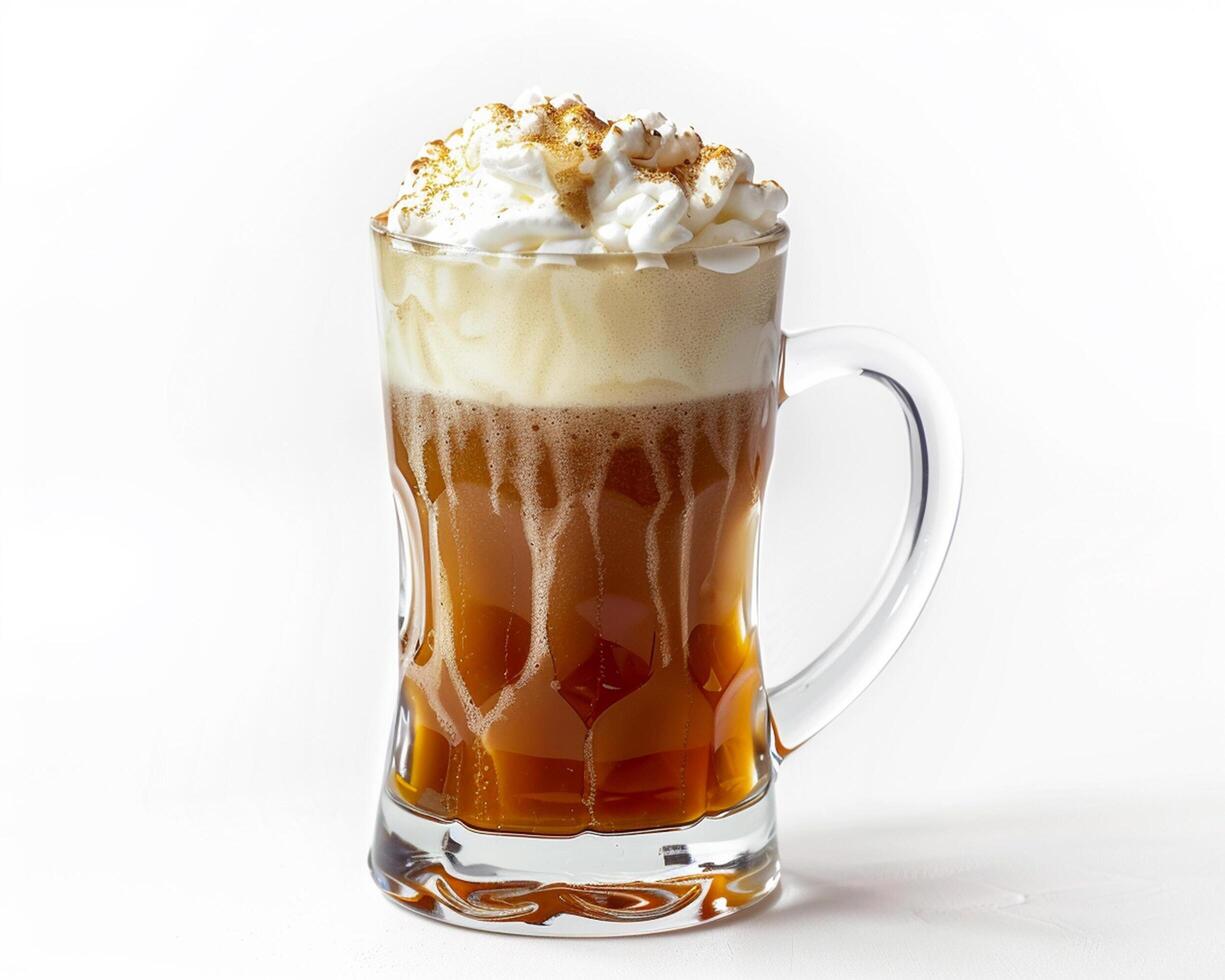
Is Beer Gluten Free?

Is Beer Gluten Free?

Most traditional beers are not gluten-free as they are typically made from barley or wheat, which contain gluten. However, there are specially crafted gluten-free beers available that use alternative grains like sorghum, rice, or millet instead of gluten-containing grains.

TL;DR

Most traditional beers are not gluten-free as they are typically made from barley or wheat, which contain gluten. However, there are specially crafted gluten-free beers available that use alternative grains like sorghum, rice, or millet instead of gluten-containing grains.

Quick Tips

1

Source of antioxidants, particularly from the hops and barley used in brewing

2

Contains B vitamins, particularly folate, niacin, riboflavin, and vitamin B6

3

Some studies suggest moderate beer consumption may lower the risk of kidney stones.

# In This Article

3 sections

Quick navigation to each section of this article:

1 Benefits of Beer

Source of antioxidants, particularly from the hops and barley used in brewing

Jump
2 Who should avoid Beer

Pregnant women or those trying to conceive

Jump
3 Gluten Free Alternatives

Here are five gluten-free alternatives to beer:

Jump

Benefits of Beer

Benefits of Beer
Source of antioxidants, particularly from the hops and barley used in brewing
Contains B vitamins, particularly folate, niacin, riboflavin, and vitamin B6
Some studies suggest moderate beer consumption may lower the risk of kidney stones.
Can be a source of dietary silicon, which may help strengthen bones
Can have a short-term relaxing effect.
Potentially lowers the risk of rheumatoid arthritis in some individuals
Can be a social lubricant, fostering social interactions and connections
May aid better sleep
May promote skin health
Contains nutrients such as antioxidants, phosphorus, potassium, magnesium, etc.
May help improve bone mineral densityRemember, these benefits are generally associated with light to moderate consumption. Excessive drinking can lead to numerous health problems and negate any potential benefits.

Who should avoid Beer

Who should avoid Beer
Pregnant women or those trying to conceive
Individuals with alcohol use disorder or a history of alcohol abuse
People taking medications that interact negatively with alcohol
Those with liver disease or other liver problems
Individuals with certain digestive issues, such as inflammatory bowel disease
People with gout, as beer can trigger flare-ups
Individuals with a history of pancreatitis
Those with certain heart conditions, especially if advised by their doctor
People with diabetes who have difficulty controlling their blood sugar
Individuals with certain mental health conditions that may be exacerbated by alcohol
Those under the legal drinking age
People operating vehicles or heavy machinery
Individuals with gluten intolerance or celiac disease (unless drinking gluten-free beer)
Those on a strict calorie-controlled diet
People with a personal or family history of breast cancer
Individuals with compromised immune systems
Those participating in activities requiring full concentration and coordinationRemember that this list is not exhaustive, and individual circumstances may vary. It’s always best to consult with a healthcare professional for personalized advice.
ENJOY YOUR FAVORITE FOODS FEARLESSLY!
Don’t let gluten hold you back. Take Anti-Gluten Pills before your meal and enjoy peace of mind.
SHOP ANTI-GLUTEN PILLS
Clinically proven · Up to 86% gluten reduction · Fast acting

Gluten Free Alternatives

Here are five gluten-free alternatives to beer:

Gluten Free Alternatives
Hard Cider:A fermented alcoholic beverage made from apple juice. It offers a crisp, refreshing taste and is naturally gluten-free. Flavors can range from dry to sweet, and some varieties incorporate other fruits.
Sorghum Beer:Brewed using sorghum instead of barley, this alternative mimics traditional beer flavors. It's slightly sweeter than regular beer and has a distinct taste profile. Sorghum beer is popular among those with celiac disease or gluten sensitivity.
Wine:Made from fermented grapes or other fruits, wine is naturally gluten-free. It comes in various styles (red, white, rosé, sparkling) and offers a wide range of flavors and alcohol contents to suit different preferences.
Hard Seltzers:These are carbonated alcoholic beverages typically made from fermented cane sugar or other gluten-free bases. They're usually low in calories and come in various fruit flavors.
Gluten-Free Spirits:Most distilled spirits like vodka, gin, rum, and tequila are gluten-free, even if made from gluten-containing grains. The distillation process removes gluten proteins. These can be enjoyed neat, on the rocks, or in cocktails.

Health Information

? Frequently Asked Questions

3 questions
1 Is beer OK for gluten intolerance?
Beer is generally not recommended for people with gluten intolerance. Traditional beer is made from barley, which contains gluten. However, there are gluten-free beer options available made from alternative grains like sorghum, rice, or millet. It's important for individuals with gluten intolerance to carefully read labels and choose specifically labeled gluten-free beers if they wish to consume beer.
2 Is Corona beer gluten-free?
Corona beer is not gluten-free. It is made primarily from malted barley, which contains gluten. While it may have lower gluten levels than some other beers, it does not meet the FDA's standard for gluten-free labeling. Individuals with celiac disease or gluten sensitivity should avoid Corona and other traditional beers, opting instead for certified gluten-free alternatives.
3 Is blue moon beer gluten-free?
Blue Moon beer is not gluten-free. It is a wheat beer, which means it contains gluten from wheat. Blue Moon is primarily made from malted barley and wheat, both of which contain gluten.
LIVE GLUTEN-FREE WITHOUT THE FUSS!
Introducing Tolerase® G, clinically proven to reduce up to 86% of gluten in under 10 minutes. Experience the freedom to eat what you love.
SHOP ANTI-GLUTEN PILLS
150mg pure Tolerase® G · Reduces gluten by 86% · Under 10 minutes

Our Expert

Drs. Ilse van Asperen, Orthomolecular Therapist and Nutritional Coach

Drs. Ilse van Asperen

Orthomolecular Therapist, Nutritional Coach & Professional Editor

Drs. Ilse van Asperen is a medical doctor specialising in orthomolecular therapy and nutritional coaching. With a background in public and clinical health research and management, she focuses on addressing the root causes of health issues through diet, gut health, and stress reduction. As a professional editor for Little Helpers, she reviews all gluten-free content to ensure accuracy, safety, and scientific credibility. Read more on Drs. Ilse van Asperen's own website

Our Sources

The information on this page is based on reputable health and nutrition organisations, ensuring accuracy and reliability for anyone following a gluten-free diet. For further details, see the sources below.
Sources

Similar Articles

Back to blog