Share
TL;DR
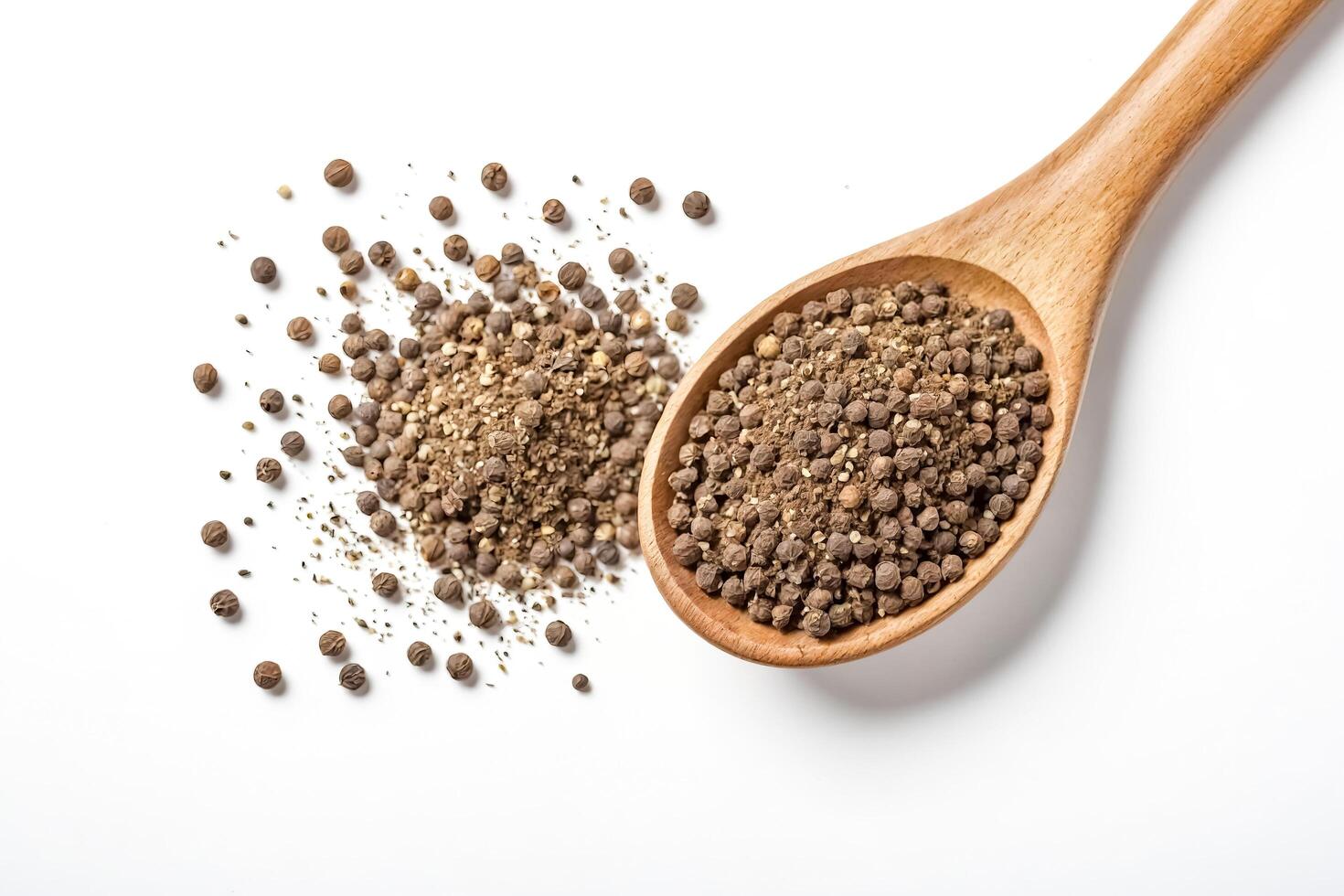
Yes, black pepper is naturally gluten-free. It is a pure spice derived from peppercorns and does not contain any gluten-containing ingredients.
Quick Tips
1Rich in antioxidants, particularly piperine
2May improve digestion and reduce bloating
3Potential to enhance nutrient absorption
# In This Article
3 sectionsQuick navigation to each section of this article:
1 Benefits of Black Pepper
Rich in antioxidants, particularly piperine
Jump2 Who should avoid Black Pepper
People with gastrointestinal disorders: Those with conditions like ulcers, irritable bowel syndrome, or inflammatory bowel disease may experience increased discomfort.
Jump3 Related Gluten Free Products
Here are five similar gluten-free options like Black Pepper, along with a short description for each:
JumpBenefits of Black Pepper
| Benefits of Black Pepper |
|---|
| Rich in antioxidants, particularly piperine |
| May improve digestion and reduce bloating |
| Potential to enhance nutrient absorption |
| May help reduce inflammation in the body |
| Could aid in weight loss by boosting metabolism |
| Might have cancer-fighting properties |
| May improve brain function and prevent neurodegenerative diseases |
| Antibacterial properties that can help fight infections |
| Potential to lower blood pressure and improve cardiovascular health |
| May help relieve congestion and symptoms of the common cold |
| Could improve dental health by fighting bacteria that cause cavities |
| Possible mood-enhancing effects due to its impact on neurotransmitters |
| May help control blood sugar levels |
| Potential to relieve pain due to its analgesic properties |
| Could improve skin health when applied topicallyRemember, while these benefits are supported by various studies, more research is needed in some areas. Always consult with a healthcare professional before using black pepper for medicinal purposes. |
Who should avoid Black Pepper
| Who should avoid Black Pepper |
|---|
| People with gastrointestinal disorders: Those with conditions like ulcers, irritable bowel syndrome, or inflammatory bowel disease may experience increased discomfort. |
| Individuals with certain skin conditions: Some people with sensitive skin or specific skin disorders may experience irritation from topical use of black pepper. |
| Those taking certain medications: Black pepper can interact with some drugs, particularly those metabolized by the liver. |
| People scheduled for surgery: Black pepper may affect blood clotting, so it’s often recommended to avoid it before surgery. |
| Individuals with bleeding disorders: Due to its potential effects on blood clotting, those with bleeding disorders should consult their doctor. |
| People with severe hypertension: Large amounts of black pepper may temporarily increase blood pressure. |
| Those with known allergies to black pepper: Some individuals may have a specific allergy to black pepper. |
| Pregnant and breastfeeding women: While normal culinary use is generally considered safe, high doses should be avoided without medical advice. |
| Young children: Excessive amounts may cause digestive discomfort in young children.Always consult with a healthcare professional for personalized advice, especially if you have any health conditions or concerns. |
Related Gluten Free Products
Here are five similar gluten-free options like Black Pepper, along with a short description for each:
| Related Gluten Free Products |
|---|
| White Pepper - A milder, slightly less complex flavor than black pepper - Made from fully ripened peppercorns with the outer layer removed - Offers a clean, sharp taste without the visual impact of black specks |
| Pink Peppercorns - Not true peppercorns, but berries from a different plant - Provide a sweet, fruity flavor with a mild peppery heat - Often used for their vibrant color and delicate taste in seafood dishes |
| Green Peppercorns - Unripe peppercorns that are typically preserved in brine - Offer a fresher, more herbaceous flavor than black pepper - Popular in French cuisine and cream-based sauces |
| Szechuan Pepper - Not related to true peppercorns, but provides a unique numbing sensation - Has a citrusy, slightly floral flavor with a mild heat - Commonly used in Chinese and Taiwanese cuisine |
| Grains of Paradise - A West African spice with a complex flavor profile - Offers notes of black pepper, cardamom, and citrus - Often used in North African cuisine and craft beer brewing |
Health Information
? Frequently Asked Questions
4 questions1 What spices are not gluten free?
2 Is McCormick black pepper gluten free?
3 Is pepper bad for celiac?
4 Is Kirkland Signature black pepper gluten free?
Our Expert
Drs. Ilse van Asperen
Orthomolecular Therapist, Nutritional Coach & Professional Editor
Drs. Ilse van Asperen is a medical doctor specialising in orthomolecular therapy and nutritional coaching. With a background in public and clinical health research and management, she focuses on addressing the root causes of health issues through diet, gut health, and stress reduction. As a professional editor for Little Helpers, she reviews all gluten-free content to ensure accuracy, safety, and scientific credibility. Read more on Drs. Ilse van Asperen's own website
Our Sources
The information on this page is based on reputable health and nutrition organisations, ensuring accuracy and reliability for anyone following a gluten-free diet. For further details, see the sources below.