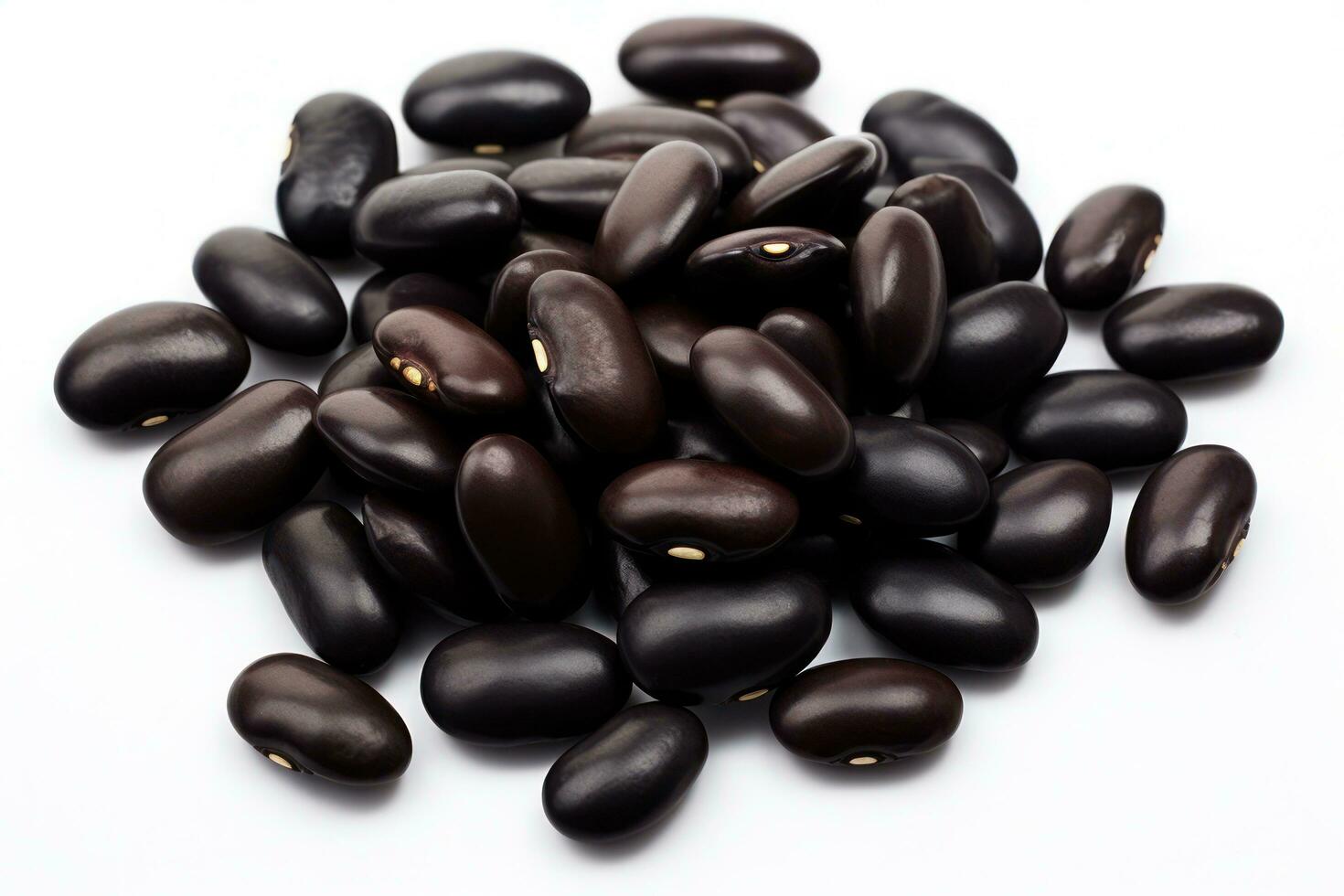
Is Black Rice Gluten Free?

Is Black Rice Gluten Free?

Yes, black rice is naturally gluten-free. As a variety of rice, it does not contain the proteins found in wheat, barley, or rye that make up gluten.

TL;DR

Yes, black rice is naturally gluten-free. As a variety of rice, it does not contain the proteins found in wheat, barley, or rye that make up gluten.

Quick Tips

1

High in antioxidants: Black rice is rich in anthocyanins, which are powerful antioxidants that help protect cells from damage caused by free radicals.

2

Anti-inflammatory properties: The antioxidants in black rice may help reduce inflammation in the body, potentially lowering the risk of chronic diseases.

3

Heart health: The anthocyanins in black rice may help improve cardiovascular health by reducing cholesterol levels and preventing the buildup of plaque in arteries.

# In This Article

3 sections

Quick navigation to each section of this article:

1 Benefits of Black Rice

High in antioxidants: Black rice is rich in anthocyanins, which are powerful antioxidants that help protect cells from damage caused by free radicals.

Jump
2 Who should avoid Black Rice

People with rice allergies: Those allergic to rice should avoid all types, including black rice.

Jump
3 Related Gluten Free Products

Here are five gluten-free options similar to Black Rice, along with short descriptions:

Jump

Benefits of Black Rice

Benefits of Black Rice
High in antioxidants: Black rice is rich in anthocyanins, which are powerful antioxidants that help protect cells from damage caused by free radicals.
Anti-inflammatory properties: The antioxidants in black rice may help reduce inflammation in the body, potentially lowering the risk of chronic diseases.
Heart health: The anthocyanins in black rice may help improve cardiovascular health by reducing cholesterol levels and preventing the buildup of plaque in arteries.
Improved brain function: The antioxidants in black rice may help protect brain cells from oxidative stress, potentially improving cognitive function and reducing the risk of neurodegenerative diseases.
Digestive health: Black rice is a good source of fiber, which aids in digestion and promotes regular bowel movements.
Weight management: The high fiber content of black rice can help increase feelings of fullness, potentially aiding in weight management.
Blood sugar regulation: Black rice has a lower glycemic index compared to white rice, which may help in better blood sugar control.
Eye health: The anthocyanins in black rice may help protect against age-related eye diseases like macular degeneration.
Rich in nutrients: Black rice is a good source of iron, protein, and various vitamins and minerals.
Gluten-free: Black rice is naturally gluten-free, making it a suitable option for those with celiac disease or gluten sensitivity.
Liver health: Some studies suggest that the antioxidants in black rice may help protect the liver from damage and improve its function.

Who should avoid Black Rice

Who should avoid Black Rice
People with rice allergies: Those allergic to rice should avoid all types, including black rice.
Individuals on a low-fiber diet: Black rice is high in fiber, which may not be suitable for those following a low-fiber diet due to certain medical conditions.
People with digestive issues: Some individuals with sensitive digestive systems may experience bloating or discomfort due to black rice’s high fiber content.
Those on blood-thinning medications: Black rice is high in vitamin K, which can interfere with blood-thinning medications like warfarin.
Individuals with diabetes: While black rice has a lower glycemic index than white rice, people with diabetes should still monitor their intake and consult their healthcare provider.
People with a history of kidney stones: Black rice contains oxalates, which may contribute to kidney stone formation in susceptible individuals.
Those following a low-carb diet: Black rice is still a carbohydrate-rich food, so it may not be suitable for very low-carb diets.
Individuals with certain autoimmune conditions: Some people with autoimmune disorders may need to avoid grains, including black rice, as part of their treatment plan.Always consult with a healthcare professional or registered dietitian before making significant changes to your diet, especially if you have any health concerns or conditions.
ENJOY YOUR FAVORITE FOODS FEARLESSLY!
Don’t let gluten hold you back. Take Anti-Gluten Pills before your meal and enjoy peace of mind.
SHOP ANTI-GLUTEN PILLS
Clinically proven · Up to 86% gluten reduction · Fast acting

Here are five gluten-free options similar to Black Rice, along with short descriptions:

Related Gluten Free Products
Quinoa: A protein-rich seed native to South America, quinoa has a slightly nutty flavor and a fluffy texture when cooked. It's high in fiber and contains all nine essential amino acids.
Amaranth: An ancient grain with a earthy, peppery taste, amaranth is rich in protein, fiber, and minerals. It has a slightly sticky texture when cooked and can be used in various dishes.
Buckwheat: Despite its name, buckwheat is not related to wheat and is gluten-free. It has a robust, nutty flavor and is rich in antioxidants and minerals. It can be used in both savory and sweet dishes.
Millet: A small, round grain with a mild, slightly sweet flavor, millet is highly nutritious and easy to digest. It's versatile and can be used in place of rice in many recipes.
Teff: A tiny grain native to Ethiopia, teff has a mild, nutty flavor and is packed with nutrients. It's high in protein and fiber, and can be used to make porridge, breads, or as a side dish.

Health Information

? Frequently Asked Questions

4 questions
1 Is black rice the healthiest?
Black rice is often considered one of the healthiest rice varieties due to its high antioxidant content, particularly anthocyanins. It contains more protein and fiber than white rice, and is rich in iron and vitamin E. However, other rice varieties like brown rice also offer significant health benefits. Ultimately, the healthiest rice choice depends on individual nutritional needs and should be part of a balanced diet.
2 What rice is not gluten-free?
Most rice is naturally gluten-free. However, some flavored or seasoned rice mixes may contain gluten ingredients. Additionally, cross-contamination can occur during processing if rice is handled in facilities that also process wheat products. It's important for those with celiac disease or gluten sensitivity to check labels carefully and choose certified gluten-free rice products when necessary.
3 Is black rice anti-inflammatory?
Black rice has been shown to have anti-inflammatory properties. It contains high levels of anthocyanins, which are powerful antioxidants known to reduce inflammation in the body. Studies have found that consuming black rice can help lower markers of inflammation. However, more research is needed to fully understand its effects and optimal dosage for anti-inflammatory benefits.
4 Why is black rice called forbidden rice?
Black rice was historically reserved for Chinese royalty and nobility. Its scarcity and high nutritional value made it a prized commodity. Commoners were forbidden from consuming it, hence the name "forbidden rice." This exclusivity contributed to its mystique and elevated status in Chinese culture.
LIVE GLUTEN-FREE WITHOUT THE FUSS!
Introducing Tolerase® G, clinically proven to reduce up to 86% of gluten in under 10 minutes. Experience the freedom to eat what you love.
SHOP ANTI-GLUTEN PILLS
150mg pure Tolerase® G · Reduces gluten by 86% · Under 10 minutes

Our Expert

Drs. Ilse van Asperen, Orthomolecular Therapist and Nutritional Coach

Drs. Ilse van Asperen

Orthomolecular Therapist, Nutritional Coach & Professional Editor

Drs. Ilse van Asperen is a medical doctor specialising in orthomolecular therapy and nutritional coaching. With a background in public and clinical health research and management, she focuses on addressing the root causes of health issues through diet, gut health, and stress reduction. As a professional editor for Little Helpers, she reviews all gluten-free content to ensure accuracy, safety, and scientific credibility. Read more on Drs. Ilse van Asperen's own website

Our Sources

The information on this page is based on reputable health and nutrition organisations, ensuring accuracy and reliability for anyone following a gluten-free diet. For further details, see the sources below.

Sources

Similar Articles

Back to blog