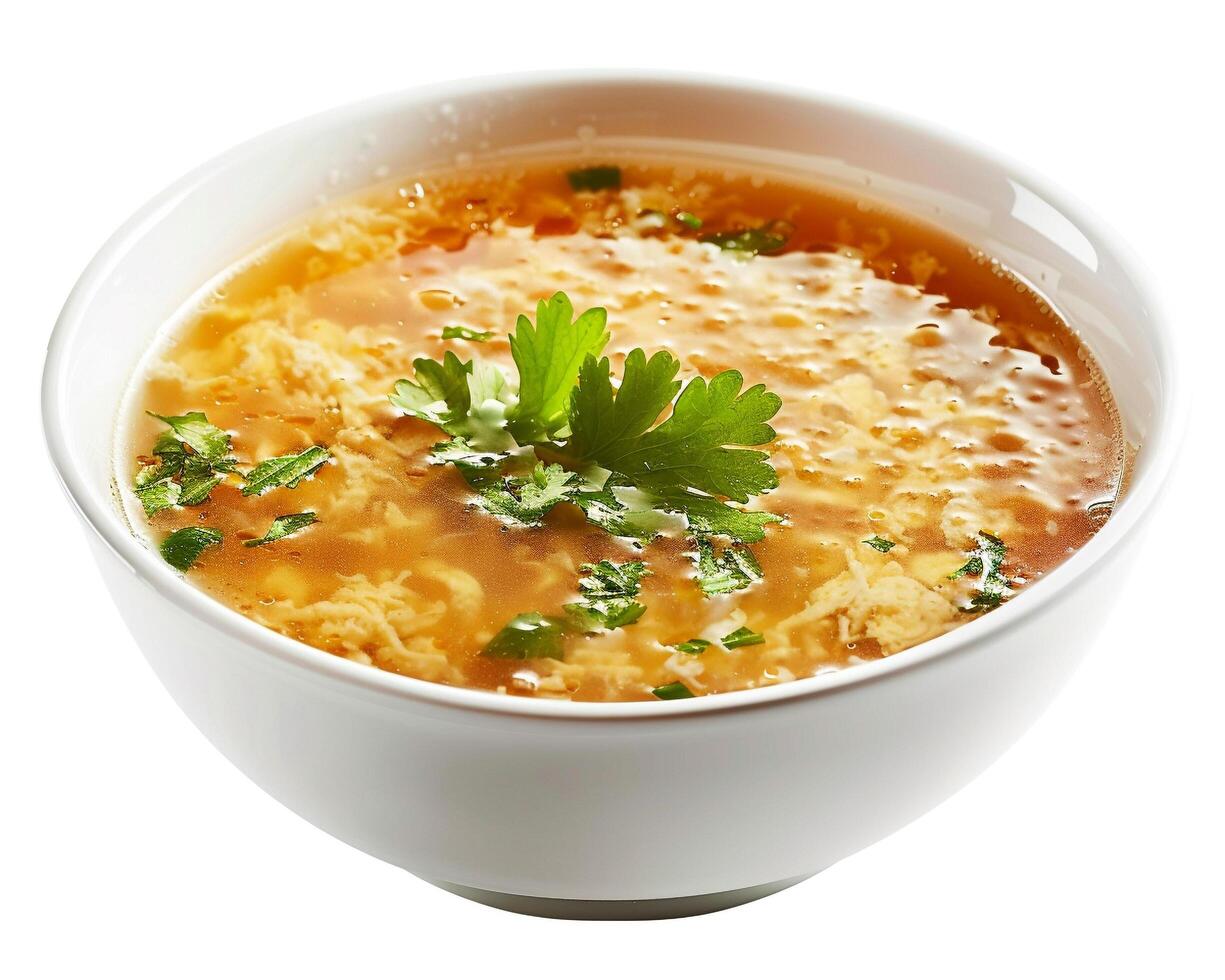
Is Bone Broth Gluten Free?

Is Bone Broth Gluten Free?

Yes, bone broth is typically gluten-free as it is made from simmering bones, vegetables, and herbs in water. However, it’s always important to check the label or recipe, as some commercially prepared bone broths may contain additives or flavorings that include gluten.

TL;DR

Yes, bone broth is typically gluten-free as it is made from simmering bones, vegetables, and herbs in water. However, it’s always important to check the label or recipe, as some commercially prepared bone broths may contain additives or flavorings that include gluten.

Quick Tips

1

Rich in minerals: Provides calcium, magnesium, phosphorus, and other trace minerals

2

Contains collagen: Supports joint health, skin elasticity, and gut lining integrity

3

High in amino acids: Offers glycine, proline, and glutamine, which support various bodily functions

# In This Article

3 sections

Quick navigation to each section of this article:

1 Benefits of Bone Broth

Rich in minerals: Provides calcium, magnesium, phosphorus, and other trace minerals

Jump
2 Who should avoid Bone Broth

People with histamine intolerance: Bone broth is high in histamine, which can cause reactions in sensitive individuals.

Jump
3 Related Gluten Free Products

Here are five gluten-free options similar to Bone Broth, along with short descriptions:

Jump

Benefits of Bone Broth

Benefits of Bone Broth
Rich in minerals: Provides calcium, magnesium, phosphorus, and other trace minerals
Contains collagen: Supports joint health, skin elasticity, and gut lining integrity
High in amino acids: Offers glycine, proline, and glutamine, which support various bodily functions
Promotes gut health: May help heal and seal the gut lining, reducing intestinal inflammation
Supports immune function: Contains compounds that may boost the immune system
Aids in hydration: Provides electrolytes and can be a hydrating alternative to plain water
May improve sleep quality: The amino acid glycine in bone broth can promote better sleep
Supports bone health: The minerals and collagen in bone broth contribute to bone strength
Potential anti-inflammatory effects: May help reduce inflammation in the body
Aids in recovery: Athletes and fitness enthusiasts use it for muscle and tissue repair
May support weight management: Provides a feeling of fullness with relatively few calories
Supports liver detoxification: Glycine in bone broth aids the liver in removing toxins
Could improve skin health: Collagen and other nutrients may promote healthier-looking skinRemember that while bone broth has many potential benefits, it should be part of a balanced diet and not considered a cure-all.

Who should avoid Bone Broth

Who should avoid Bone Broth
People with histamine intolerance: Bone broth is high in histamine, which can cause reactions in sensitive individuals.
Those with glutamate sensitivity: Bone broth contains high levels of glutamate, which some people may be sensitive to.
Individuals with certain digestive disorders: Some people with conditions like SIBO (Small Intestinal Bacterial Overgrowth) may experience symptoms from bone broth.
People on a low-protein diet: Bone broth is high in protein, which may not be suitable for those limiting protein intake.
Individuals with gout: The high purine content in bone broth may exacerbate gout symptoms.
Those with certain food allergies: If allergic to the animal source of the bone broth (e.g., chicken, beef), it should be avoided.
People on blood thinners: The high vitamin K content in bone broth might interfere with blood-thinning medications.
Individuals with lead concerns: There’s a potential for lead contamination in bone broth, especially if made from animals raised in contaminated environments.
Those on a low-sodium diet: Some bone broths can be high in sodium, which may be problematic for those restricting salt intake.
People with certain autoimmune conditions: In some cases, the high glutamine content might stimulate the immune system in unwanted ways.Always consult with a healthcare professional before making significant dietary changes, especially if you have health concerns or are on medication.
ENJOY YOUR FAVORITE FOODS FEARLESSLY!
Don’t let gluten hold you back. Take Anti-Gluten Pills before your meal and enjoy peace of mind.
SHOP ANTI-GLUTEN PILLS
Clinically proven · Up to 86% gluten reduction · Fast acting

Here are five gluten-free options similar to Bone Broth, along with short descriptions:

Related Gluten Free Products
Vegetable Broth:A savory liquid made by simmering vegetables, herbs, and spices in water. It's a plant-based alternative that's rich in vitamins and minerals, offering a light yet flavorful base for soups and recipes.
Collagen Peptides:A powdered supplement derived from animal connective tissues. It dissolves easily in liquids and provides similar protein benefits to bone broth, supporting joint health, skin elasticity, and gut function.
Mushroom Broth:A umami-rich broth made by simmering various mushrooms with herbs and spices. It offers a meaty flavor profile and potential immune-boosting properties, making it a nutritious alternative to bone broth.
Miso Soup:A traditional Japanese soup made from fermented soybean paste. It's packed with probiotics, vitamins, and minerals, offering a savory, salty flavor that can be used as a base for various dishes.
Seaweed Broth:A mineral-rich broth made by simmering various seaweeds in water. It's high in iodine and other trace minerals, providing a unique oceanic flavor that can be used in soups, stews, and other recipes.

Health Information

? Frequently Asked Questions

4 questions
1 Can celiacs have bone broth?
Celiac disease patients can generally consume bone broth safely. However, it's crucial to ensure the bone broth is gluten-free and not contaminated with any gluten-containing ingredients during preparation. Some commercially prepared bone broths may contain additives or flavorings that contain gluten, so it's important to check labels carefully. For the safest option, celiacs can make their own bone broth at home using only gluten-free ingredients and utensils.
2 Is store-bought bone broth gluten-free?
Most store-bought bone broths are gluten-free. However, it's essential to always check the label to be sure, as some brands may add ingredients containing gluten. Generally, plain bone broth made from bones, water, and vegetables should be naturally gluten-free. If you have celiac disease or severe gluten sensitivity, look for products specifically labeled as gluten-free to ensure they meet strict standards.
3 Why is broth not gluten-free?
Broth is not always gluten-free because some manufacturers may add ingredients containing gluten during the production process. Common additives that can introduce gluten include wheat-based thickeners, flavor enhancers, or seasonings. Additionally, cross-contamination can occur if the broth is produced in facilities that also process gluten-containing products. It's important for individuals with gluten sensitivities or celiac disease to carefully check labels or choose specifically labeled gluten-free broths.
4 Is Swanson bone broth gluten-free?
Yes, Swanson bone broth is gluten-free. The company explicitly states this on their product packaging and website. Swanson ensures their bone broth is made without any gluten-containing ingredients. This makes it a suitable option for those following a gluten-free diet.
LIVE GLUTEN-FREE WITHOUT THE FUSS!
Introducing Tolerase® G, clinically proven to reduce up to 86% of gluten in under 10 minutes. Experience the freedom to eat what you love.
SHOP ANTI-GLUTEN PILLS
150mg pure Tolerase® G · Reduces gluten by 86% · Under 10 minutes

Our Expert

Drs. Ilse van Asperen, Orthomolecular Therapist and Nutritional Coach

Drs. Ilse van Asperen

Orthomolecular Therapist, Nutritional Coach & Professional Editor

Drs. Ilse van Asperen is a medical doctor specialising in orthomolecular therapy and nutritional coaching. With a background in public and clinical health research and management, she focuses on addressing the root causes of health issues through diet, gut health, and stress reduction. As a professional editor for Little Helpers, she reviews all gluten-free content to ensure accuracy, safety, and scientific credibility. Read more on Drs. Ilse van Asperen's own website

Our Sources

The information on this page is based on reputable health and nutrition organisations, ensuring accuracy and reliability for anyone following a gluten-free diet. For further details, see the sources below.
Sources

Similar Articles

Back to blog