Share
TL;DR
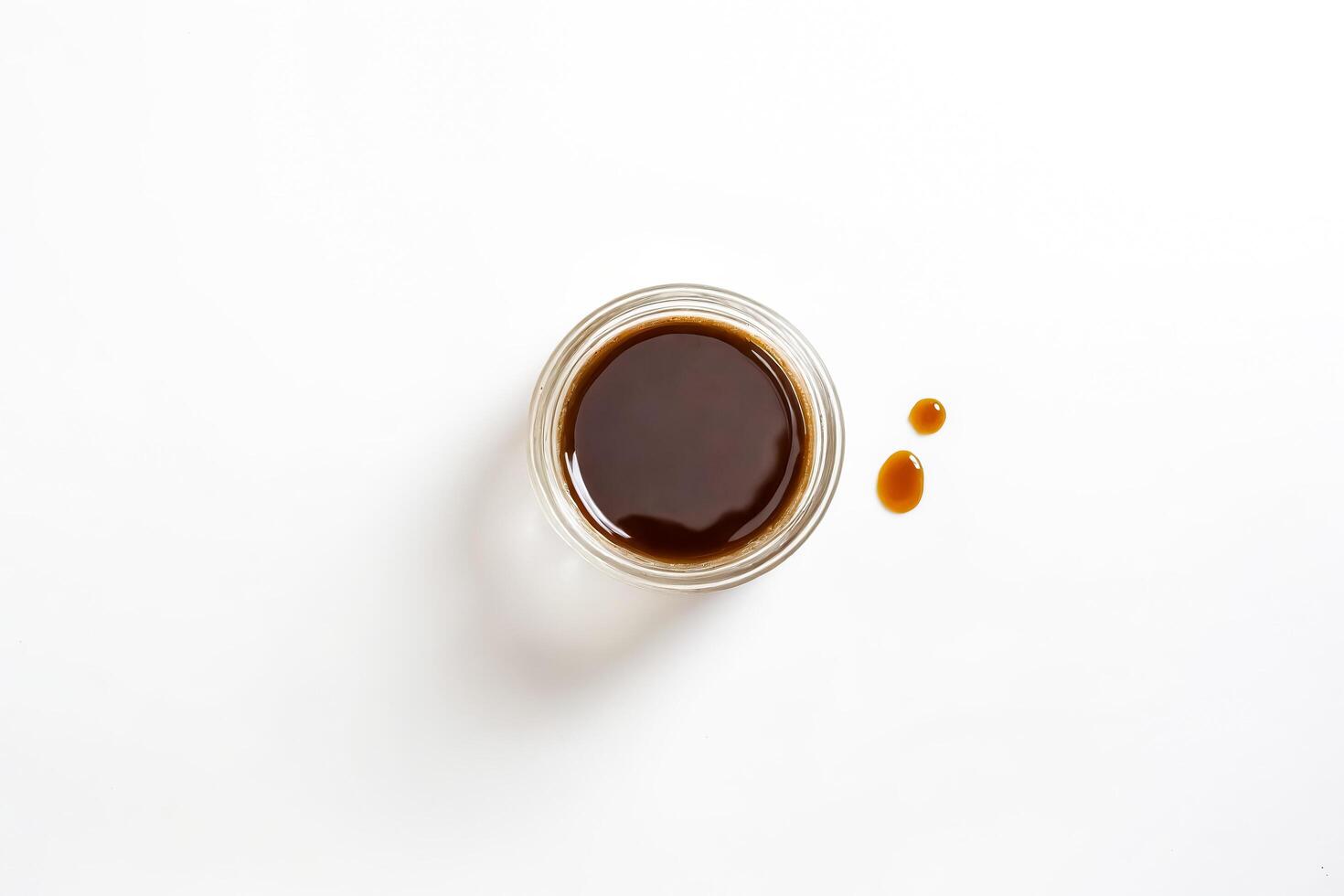
Generally speaking, most traditional brown sauce recipes are gluten-free as they don’t typically contain wheat-based ingredients. However, it’s always important to check the specific brand or recipe, as some variations may include ingredients like malt vinegar or wheat-based thickeners that do contain gluten.
Quick Tips
1Low in calories: Generally, brown sauce is relatively low in calories, making it a suitable option for those watching their calorie intake.
2Vitamin C: Many brown sauces contain tomatoes, which are a good source of vitamin C, an antioxidant that supports immune function and skin health.
3B vitamins: Some ingredients in brown sauce, like molasses, may provide small amounts of B vitamins, which are important for energy metabolism.
# In This Article
3 sectionsQuick navigation to each section of this article:
1 Benefits of Brown Sauce
Low in calories: Generally, brown sauce is relatively low in calories, making it a suitable option for those watching their calorie intake.
Jump2 Who should avoid Brown Sauce
People with allergies to any of the ingredients, such as tomatoes, vinegar, or spices
Jump3 Related Gluten Free Products
Here are five similar gluten-free options to Brown Sauce, along with short descriptions:
JumpBenefits of Brown Sauce
| Benefits of Brown Sauce |
|---|
| Low in calories: Generally, brown sauce is relatively low in calories, making it a suitable option for those watching their calorie intake. |
| Vitamin C: Many brown sauces contain tomatoes, which are a good source of vitamin C, an antioxidant that supports immune function and skin health. |
| B vitamins: Some ingredients in brown sauce, like molasses, may provide small amounts of B vitamins, which are important for energy metabolism. |
| Potential probiotic properties: The vinegar in brown sauce may have some probiotic benefits, supporting gut health. |
| Antioxidants: Ingredients like tomatoes and spices may contribute antioxidants, which help protect cells from damage. |
| Low in fat: Brown sauce is typically low in fat, which can be beneficial for those managing their fat intake. |
| Flavor enhancement: It can add flavor to meals without adding significant calories, potentially helping people enjoy healthier foods. |
| Potential anti-inflammatory properties: Some spices used in brown sauce may have mild anti-inflammatory effects.However, it’s important to note that brown sauce is often high in salt and sugar, so it should be consumed in moderation as part of a balanced diet. The health benefits are generally minor, and it should not be considered a health food. |
Who should avoid Brown Sauce
| Who should avoid Brown Sauce |
|---|
| People with allergies to any of the ingredients, such as tomatoes, vinegar, or spices |
| Individuals with sensitive stomachs or acid reflux, as the vinegar and spices may cause discomfort |
| Those on a low-sodium diet, as brown sauce can be high in salt |
| People with diabetes, due to the sugar content in some brown sauce recipes |
| Individuals following a strict gluten-free diet, as some brands may contain gluten (always check the label) |
| Those with histamine intolerance, as brown sauce often contains ingredients high in histamines |
| People with certain gastrointestinal conditions, such as irritable bowel syndrome (IBS), who may be sensitive to some ingredients |
| Individuals on specific medications that interact with certain spices or vinegar |
| Those following a low-FODMAP diet, as some ingredients in brown sauce may be high in FODMAPs |
| People with sulfite sensitivity, as some brown sauces may contain sulfites as preservativesRemember that while these groups should be cautious, individual tolerances may vary. It’s always best to consult with a healthcare professional if you have concerns about including brown sauce in your diet. |
Related Gluten Free Products
Here are five similar gluten-free options to Brown Sauce, along with short descriptions:
| Related Gluten Free Products |
|---|
| Tamari:A Japanese soy sauce made without wheat, providing a rich, savory flavor. It's darker and less salty than regular soy sauce, making it an excellent gluten-free alternative for adding depth to dishes. |
| Coconut Aminos:A soy-free, gluten-free sauce made from coconut sap. It has a slightly sweet and salty taste, similar to a light soy sauce. It's often used as a substitute in Asian-inspired recipes and marinades. |
| Worcestershire Sauce (gluten-free varieties):Some brands offer gluten-free versions of this classic sauce, which provides a tangy, savory flavor with hints of vinegar, molasses, and spices. It's great for marinades, stews, and as a condiment. |
| HP Sauce (gluten-free variety):A British brown sauce brand that offers a gluten-free option. It has a tangy, spicy-sweet flavor profile and is commonly used as a condiment for meats or added to stews and gravies. |
| Mushroom-based sauce:A homemade or store-bought sauce made from mushrooms, providing a rich, umami flavor. It can be used as a base for gravies, stews, or as a condiment, offering a similar depth of flavor to traditional brown sauces. |
Health Information
? Frequently Asked Questions
4 questions1 Is any brown sauce gluten-free?
2 Is Chinese brown sauce gluten-free?
3 What Chinese dishes are usually gluten-free?
4 What sauces to avoid when gluten-free?
Our Expert
Drs. Ilse van Asperen
Orthomolecular Therapist, Nutritional Coach & Professional Editor
Drs. Ilse van Asperen is a medical doctor specialising in orthomolecular therapy and nutritional coaching. With a background in public and clinical health research and management, she focuses on addressing the root causes of health issues through diet, gut health, and stress reduction. As a professional editor for Little Helpers, she reviews all gluten-free content to ensure accuracy, safety, and scientific credibility. Read more on Drs. Ilse van Asperen's own website
Our Sources
The information on this page is based on reputable health and nutrition organisations, ensuring accuracy and reliability for anyone following a gluten-free diet. For further details, see the sources below.