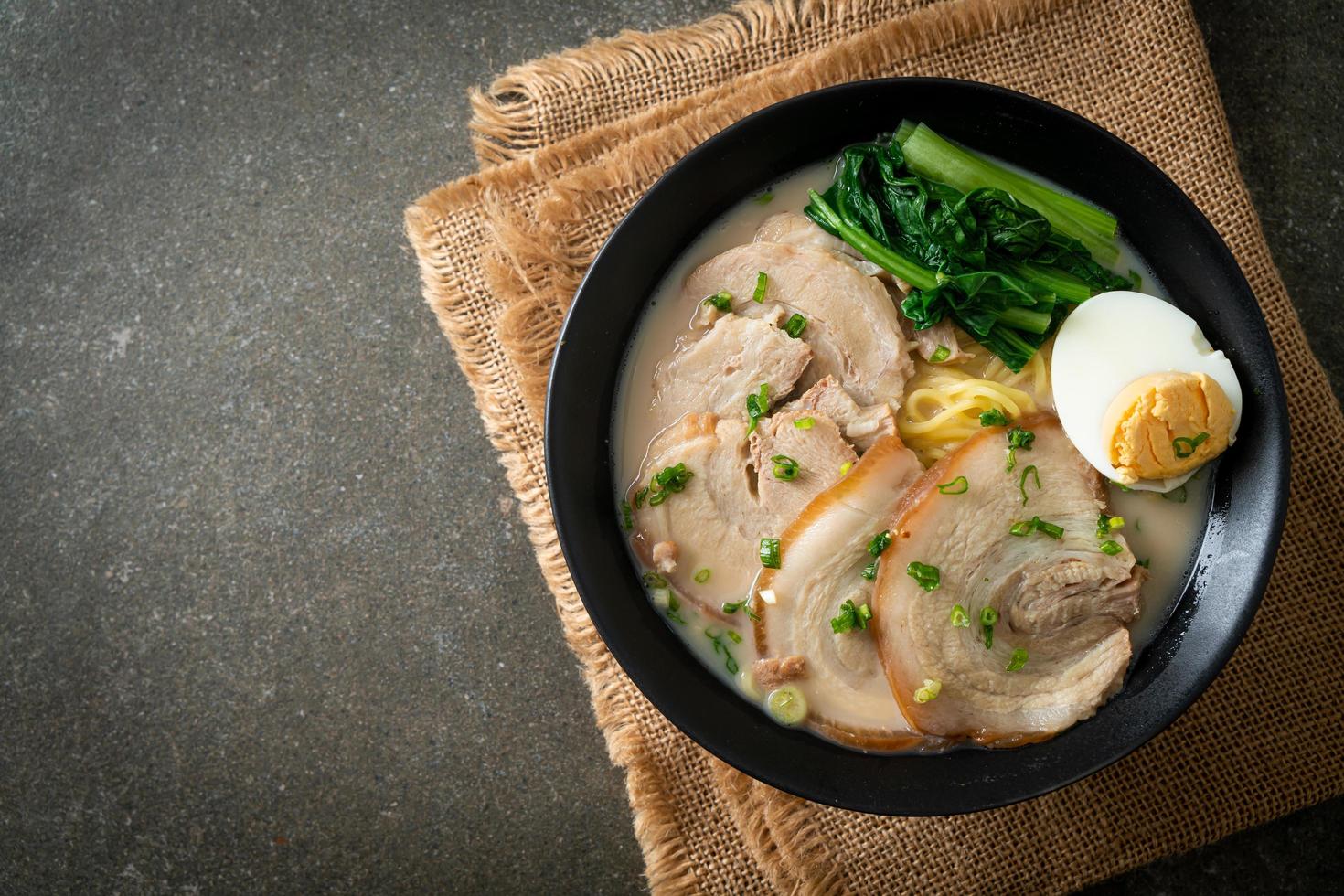
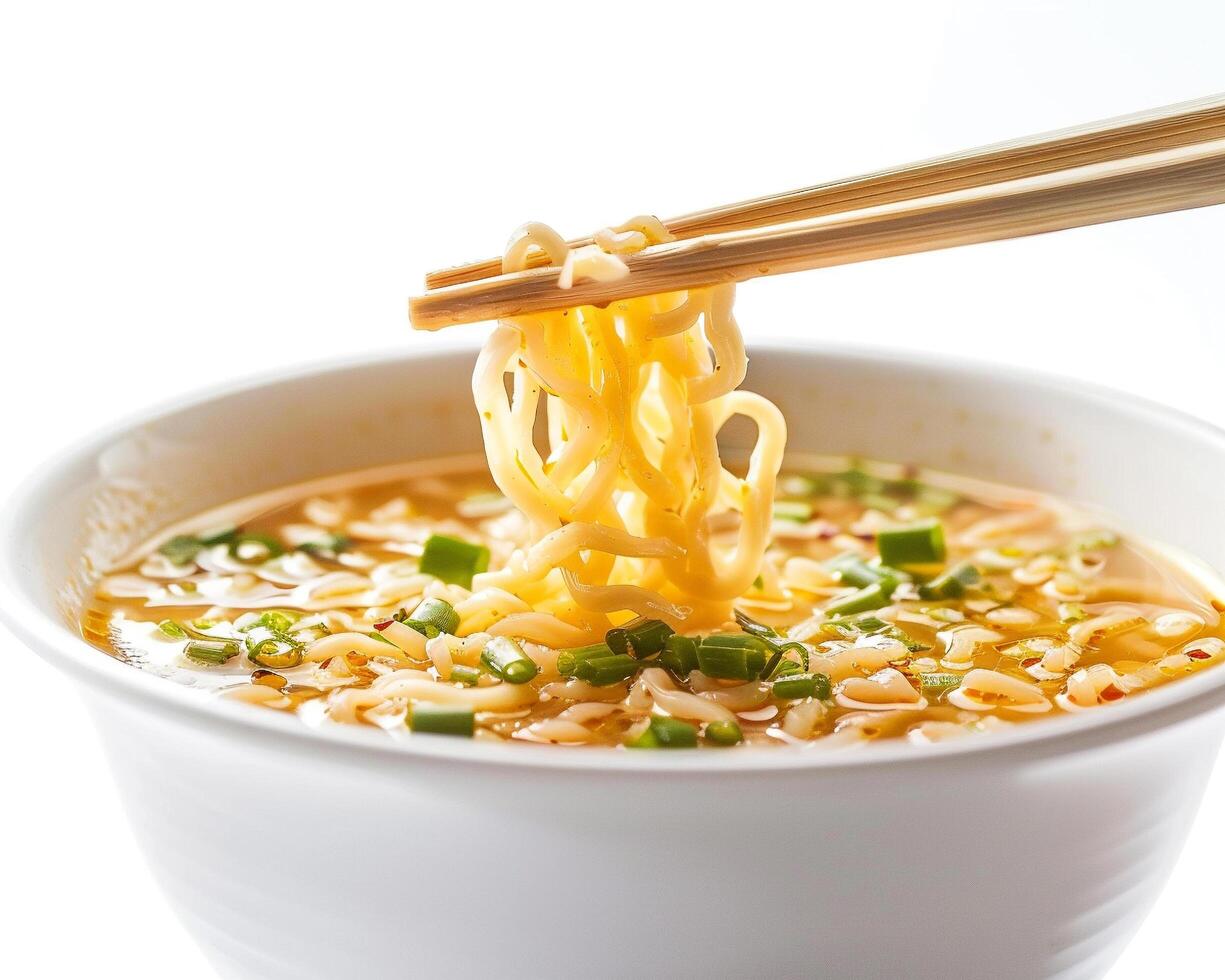
Is Buldak Ramen Gluten Free?

Is Buldak Ramen Gluten Free?

Buldak Ramen, also known as “Fire Noodles,” typically contains wheat flour in the noodles, which means it is not gluten-free. However, some brands may offer gluten-free versions of spicy ramen, so it’s important to check the specific product’s ingredients and labeling if you require a gluten-free option.

TL;DR

Buldak Ramen, also known as “Fire Noodles,” typically contains wheat flour in the noodles, which means it is not gluten-free. However, some brands may offer gluten-free versions of spicy ramen, so it’s important to check the specific product’s ingredients and labeling if you require a gluten-free option.

Quick Tips

1

Capsaicin from the spicy sauce may boost metabolism temporarily

2

Can provide a quick source of energy due to its carbohydrate content

3

May contain some protein, depending on the specific variety

# In This Article

3 sections

Quick navigation to each section of this article:

1 Benefits of Buldak Ramen

Capsaicin from the spicy sauce may boost metabolism temporarily

Jump
2 Who should avoid Buldak Ramen

Individuals with sensitive stomachs or digestive issues

Jump
3 Gluten Free Alternatives

Here are five gluten-free alternatives to Buldak Ramen, along with short descriptions:

Jump

Benefits of Buldak Ramen

Benefits of Buldak Ramen
Capsaicin from the spicy sauce may boost metabolism temporarily
Can provide a quick source of energy due to its carbohydrate content
May contain some protein, depending on the specific variety
Can be satisfying and potentially help with portion control when eaten in moderation
Some versions may include vegetables, which can add minor nutritional value
The broth can help with hydration
May contain some B vitamins from the wheat flour in the noodles
Can be a comforting food, potentially providing psychological benefitsIt’s important to note that these benefits are limited, and Buldak Ramen is generally high in sodium, fat, and calories. It should be consumed in moderation as part of a balanced diet. For significant health benefits, it’s better to focus on whole, nutrient-dense foods.

Who should avoid Buldak Ramen

Who should avoid Buldak Ramen
Individuals with sensitive stomachs or digestive issues
People with gastroesophageal reflux disease (GERD) or acid reflux
Those with peptic ulcers or other gastrointestinal conditions
Individuals with irritable bowel syndrome (IBS)
People with a low spice tolerance
Children, as the spice level may be too intense for them
Pregnant women, as very spicy foods can sometimes cause discomfort
Those with hemorrhoids or anal fissures, as spicy foods can exacerbate symptoms
Individuals taking certain medications that may interact with spicy foods
People with oral sensitivity or mouth sores
Those with a history of heartburn or indigestion
Individuals recovering from recent gastrointestinal surgery
People with known allergies to any ingredients in Buldak Ramen
Those on a low-sodium diet, as instant noodles are typically high in sodium
Individuals with hypertension or heart conditions, due to the high sodium contentIt’s always advisable to consult with a healthcare professional if you have any concerns about consuming spicy foods or instant noodles.
ENJOY YOUR FAVORITE FOODS FEARLESSLY!
Don’t let gluten hold you back. Take Anti-Gluten Pills before your meal and enjoy peace of mind.
SHOP ANTI-GLUTEN PILLS
Clinically proven · Up to 86% gluten reduction · Fast acting

Gluten Free Alternatives

Here are five gluten-free alternatives to Buldak Ramen, along with short descriptions:

Gluten Free Alternatives
Lotus Foods Rice Ramen- Made from organic rice, these noodles are gluten-free and come in various flavors. They have a similar texture to wheat-based ramen and are quick to prepare.
Miracle Noodle Zero Carb Shirataki Ramen- These noodles are made from konjac root and are not only gluten-free but also low in calories and carbs. They have a slightly different texture but work well in ramen-style dishes.
Thai Kitchen Rice Noodle Soup Bowls- These instant soup bowls feature rice noodles and come in various Thai-inspired flavors. They're gluten-free and offer a similar convenience to traditional instant ramen.
King Soba Organic Buckwheat Ramen Noodles- Despite the name, buckwheat is gluten-free. These noodles have a nutty flavor and firm texture, making them a great base for spicy ramen-style dishes.
Pamela's Gluten-Free Ramen Soup Cups- Specifically designed as a gluten-free alternative to traditional ramen, these cups come with rice noodles and various flavor packets. They're convenient and cater to those missing the classic ramen experience.

Health Information

? Frequently Asked Questions

4 questions
1 Does buldak ramen contain gluten?
Buldak ramen typically contains gluten. The noodles in most instant ramen, including buldak varieties, are made from wheat flour, which contains gluten. Additionally, the seasoning packets often include soy sauce or other gluten-containing ingredients. If you have celiac disease or gluten sensitivity, it's best to avoid buldak ramen unless specifically labeled gluten-free.
2 What kind of ramen is gluten-free?
Traditional ramen noodles are typically made with wheat flour and are not gluten-free. However, there are gluten-free alternatives available for those with celiac disease or gluten sensitivity. Rice noodles, shirataki noodles, and zucchini noodles (zoodles) are popular gluten-free substitutes used in ramen dishes. Some specialty stores and restaurants also offer ramen made with gluten-free noodles such as those made from millet, quinoa, or buckwheat.
3 What are buldak ramen noodles made of?
Buldak ramen noodles are typically made with wheat flour, starch, and vegetable oil for the noodles themselves. The seasoning packet usually contains a spicy sauce mix made from chili peppers, garlic, and other flavorings. These noodles are known for their intense heat, often incorporating gochugaru (Korean red pepper flakes) or similar spicy ingredients. Some varieties may also include dehydrated vegetables or meat flavoring.
4 Does Korean ramen have gluten?
Most Korean ramen noodles contain wheat flour, which means they typically do contain gluten. However, there are some gluten-free varieties of Korean ramen available on the market. These gluten-free options often use alternative flours like rice flour or potato starch. It's important for those with gluten sensitivities or celiac disease to carefully check labels or opt for specifically labeled gluten-free ramen products.
LIVE GLUTEN-FREE WITHOUT THE FUSS!
Introducing Tolerase® G, clinically proven to reduce up to 86% of gluten in under 10 minutes. Experience the freedom to eat what you love.
SHOP ANTI-GLUTEN PILLS
150mg pure Tolerase® G · Reduces gluten by 86% · Under 10 minutes

Our Expert

Drs. Ilse van Asperen, Orthomolecular Therapist and Nutritional Coach

Drs. Ilse van Asperen

Orthomolecular Therapist, Nutritional Coach & Professional Editor

Drs. Ilse van Asperen is a medical doctor specialising in orthomolecular therapy and nutritional coaching. With a background in public and clinical health research and management, she focuses on addressing the root causes of health issues through diet, gut health, and stress reduction. As a professional editor for Little Helpers, she reviews all gluten-free content to ensure accuracy, safety, and scientific credibility. Read more on Drs. Ilse van Asperen's own website

Our Sources

The information on this page is based on reputable health and nutrition organisations, ensuring accuracy and reliability for anyone following a gluten-free diet. For further details, see the sources below.
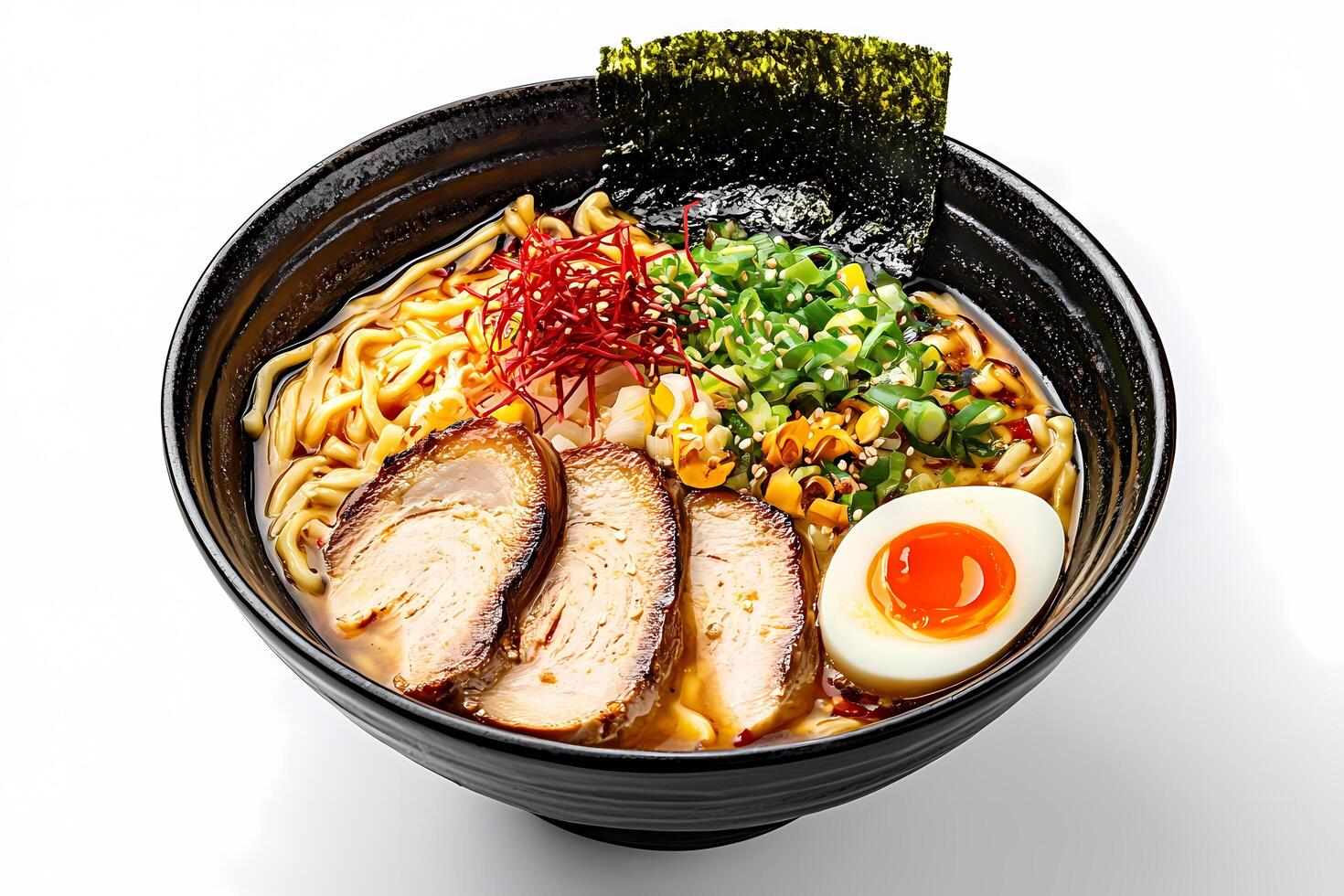
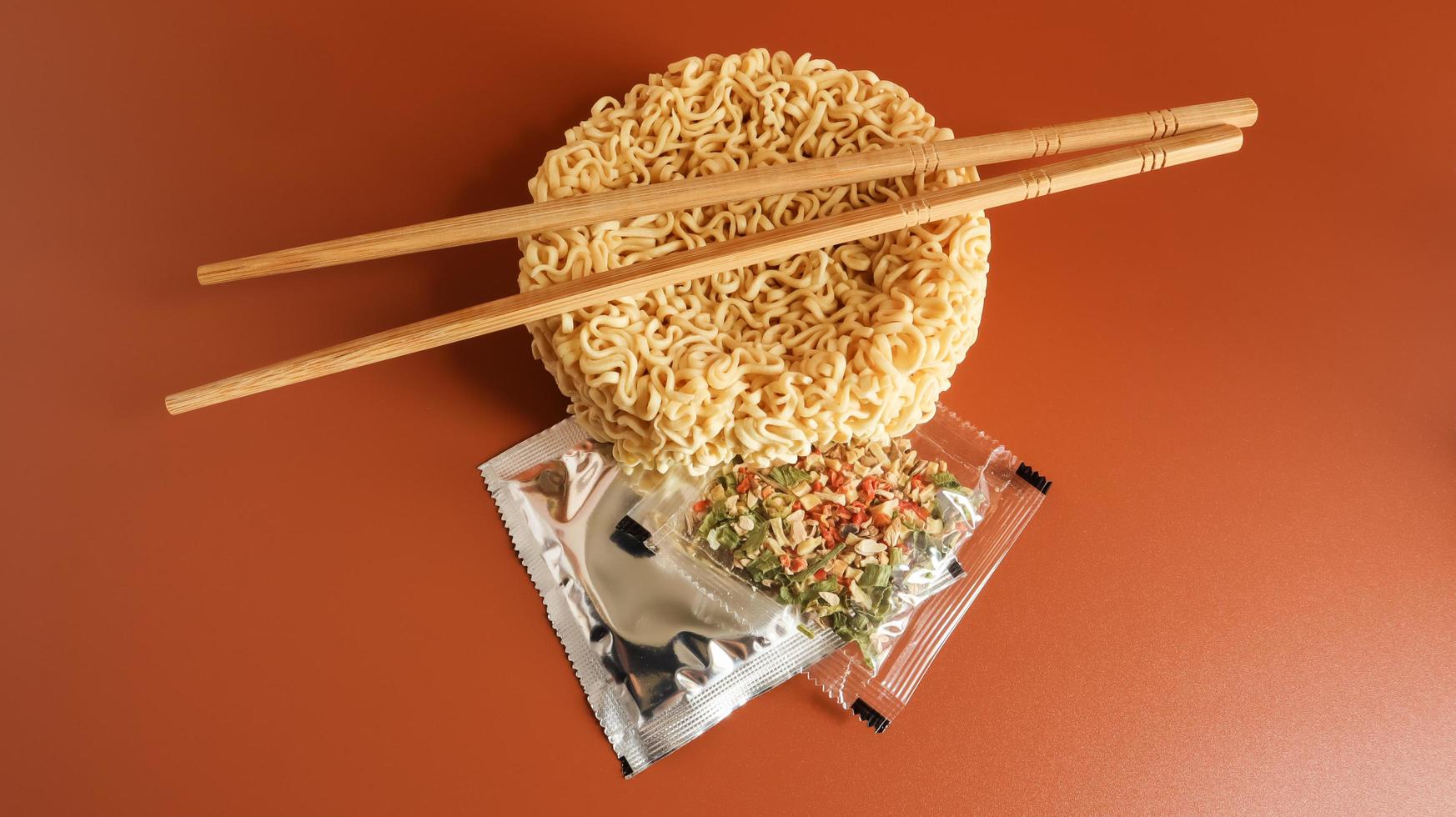
Sources

Similar Articles

Back to blog