Is Cheese Whey Gluten Free?

Is Cheese Whey Gluten Free?

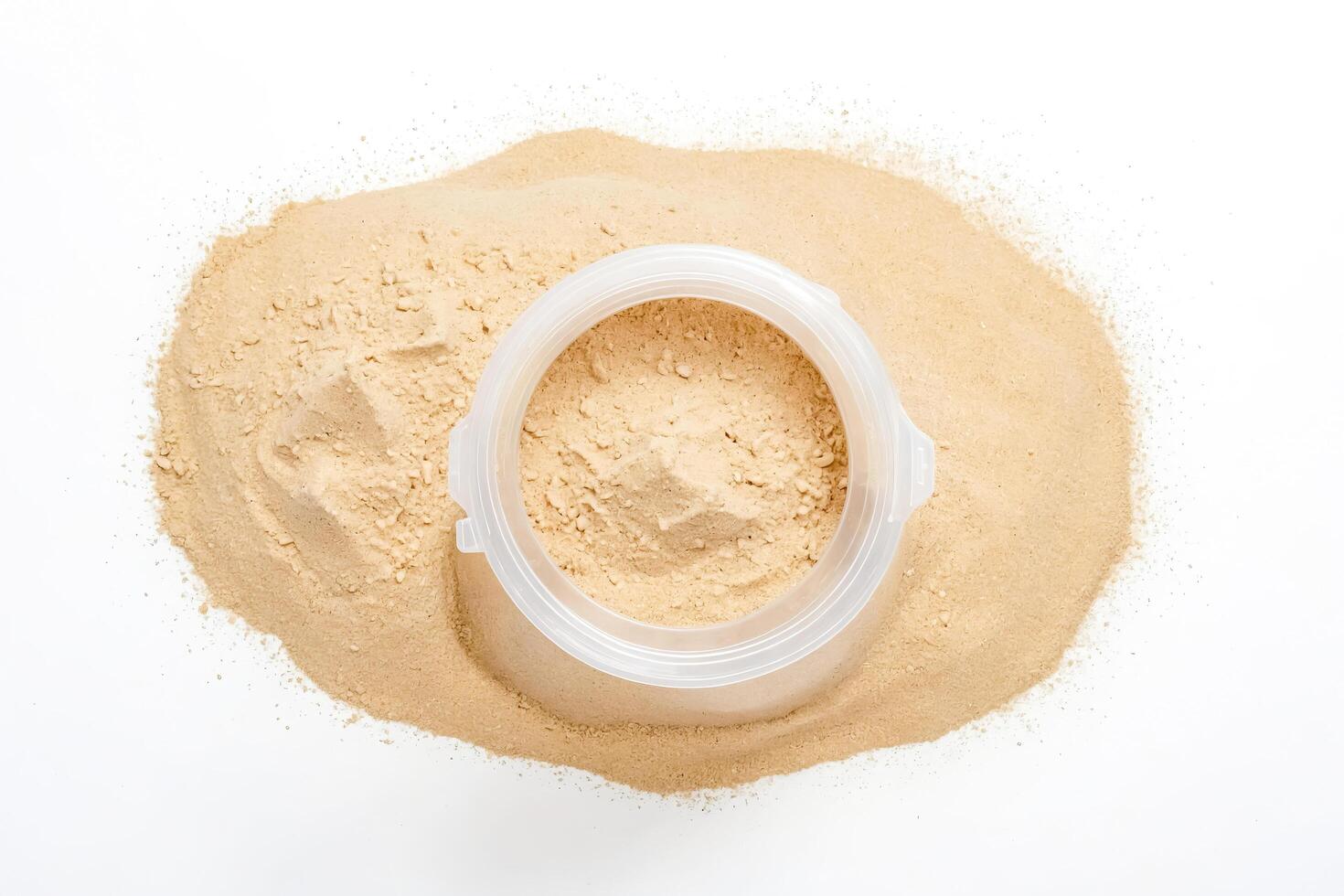
Yes, cheese whey is generally considered gluten-free. Whey is a byproduct of cheese production and is derived from milk, which does not contain gluten.

TL;DR

Yes, cheese whey is generally considered gluten-free. Whey is a byproduct of cheese production and is derived from milk, which does not contain gluten.

Quick Tips

1

High-quality protein source: Whey protein is considered a complete protein, containing all essential amino acids.

2

Muscle growth and repair: The protein in cheese whey supports muscle development and recovery after exercise.

3

Weight management: Whey protein can help increase satiety, potentially aiding in weight loss or weight maintenance.

# In This Article

3 sections

Quick navigation to each section of this article:

1 Benefits of Cheese Whey

High-quality protein source: Whey protein is considered a complete protein, containing all essential amino acids.

Jump
2 Who should avoid Cheese Whey

People with lactose intolerance: Cheese whey contains lactose, which can cause digestive issues for those who are lactose intolerant.

Jump
3 Related Gluten Free Products

Here are five gluten-free options similar to Cheese Whey, along with short descriptions:

Jump

Benefits of Cheese Whey

Benefits of Cheese Whey
High-quality protein source: Whey protein is considered a complete protein, containing all essential amino acids.
Muscle growth and repair: The protein in cheese whey supports muscle development and recovery after exercise.
Weight management: Whey protein can help increase satiety, potentially aiding in weight loss or weight maintenance.
Blood sugar regulation: Some studies suggest whey protein may help improve insulin sensitivity and glucose metabolism.
Bone health: Whey contains calcium and other minerals that contribute to bone strength and density.
Immune system support: Whey protein contains compounds that may enhance immune function.
Antioxidant properties: Whey contains cysteine, which helps produce glutathione, a powerful antioxidant in the body.
Lowering blood pressure: Some research indicates that whey protein may help reduce blood pressure in people with hypertension.
Gut health: Whey protein may support the growth of beneficial gut bacteria.
Reducing inflammation: Some components in whey may have anti-inflammatory effects.
Liver health: Studies suggest whey protein may help protect the liver from certain types of damage.
Mood enhancement: Whey protein contains tryptophan, which can potentially improve mood and reduce stress.Remember that while cheese whey offers these potential benefits, it’s important to consume it as part of a balanced diet and consult with a healthcare professional before making significant dietary changes.

Who should avoid Cheese Whey

Who should avoid Cheese Whey
People with lactose intolerance: Cheese whey contains lactose, which can cause digestive issues for those who are lactose intolerant.
Individuals with milk allergies: Cheese whey is derived from milk and can trigger allergic reactions in those with milk allergies.
Those following a dairy-free diet: Whether for personal, ethical, or health reasons, people avoiding dairy products should not consume cheese whey.
Individuals with certain gastrointestinal conditions: Some people with irritable bowel syndrome (IBS) or inflammatory bowel diseases may find that cheese whey exacerbates their symptoms.
People on a low-protein diet: Cheese whey is high in protein, which may not be suitable for those who need to restrict their protein intake due to certain medical conditions.
Individuals with kidney problems: High protein intake from cheese whey may put additional stress on the kidneys for those with kidney disease.
Those watching their calorie intake: Depending on the form, cheese whey can be high in calories, which may not be suitable for those on a calorie-restricted diet.
People with gout: The high purine content in cheese whey may increase uric acid levels, potentially triggering gout flare-ups in susceptible individuals.
Infants under one year old: Cow’s milk products, including cheese whey, are not recommended for babies under 12 months of age.Always consult with a healthcare professional or registered dietitian before making significant changes to your diet, especially if you have underlying health conditions.
ENJOY YOUR FAVORITE FOODS FEARLESSLY!
Don’t let gluten hold you back. Take Anti-Gluten Pills before your meal and enjoy peace of mind.
SHOP ANTI-GLUTEN PILLS
Clinically proven · Up to 86% gluten reduction · Fast acting

Here are five gluten-free options similar to Cheese Whey, along with short descriptions:

Related Gluten Free Products
Pea Protein Isolate- A plant-based protein powder derived from yellow peas- High in essential amino acids and easily digestible- Provides a smooth texture and neutral flavor in various applications
Rice Protein Powder- Made from brown rice and processed to isolate the protein- Hypoallergenic and easily digestible- Offers a complete amino acid profile and is suitable for vegan diets
Hemp Protein Powder- Derived from hemp seeds, rich in omega-3 fatty acids- Contains all essential amino acids and is easily digestible- Provides a nutty flavor and is high in fiber
Egg White Protein Powder- Made from dehydrated egg whites- High in protein and low in fat and carbohydrates- Easily absorbed by the body and ideal for muscle recovery
Collagen Peptides- Derived from animal connective tissues (usually bovine or marine sources)- Supports joint health, skin elasticity, and gut function- Dissolves easily in liquids and is flavorlessThese options provide diverse alternatives to Cheese Whey for those following a gluten-free diet or looking for different protein sources.

Health Information

? Frequently Asked Questions

4 questions
1 Does cheese whey have gluten?
Cheese whey typically does not contain gluten. Gluten is a protein found in wheat, barley, and rye, while whey is a byproduct of cheese production derived from milk. Whey is naturally gluten-free unless it has been contaminated during processing or had gluten-containing ingredients added to it. However, individuals with severe gluten sensitivities should always check product labels or consult manufacturers to ensure there's no risk of cross-contamination.
2 What is cheese whey made of?
Cheese whey is the liquid byproduct of cheese production. It is primarily composed of water, lactose (milk sugar), proteins, and minerals. The exact composition can vary depending on the type of cheese being made and the specific production process used. Whey typically contains about 93% water, with the remaining 7% consisting of dissolved solids like proteins, lactose, and minerals.
3 Does whey form gluten?
No, whey does not form gluten. Whey is a protein derived from milk during the cheese-making process. Gluten is a protein found in wheat, barley, and rye. Whey and gluten are entirely separate proteins with different sources and properties.
4 Is whey in ricotta cheese gluten-free?
Yes, whey in ricotta cheese is gluten-free. Ricotta cheese itself is generally gluten-free. Whey is a byproduct of cheese production and does not contain gluten. However, it's always best to check labels for any added ingredients that might contain gluten.
LIVE GLUTEN-FREE WITHOUT THE FUSS!
Introducing Tolerase® G, clinically proven to reduce up to 86% of gluten in under 10 minutes. Experience the freedom to eat what you love.
SHOP ANTI-GLUTEN PILLS
150mg pure Tolerase® G · Reduces gluten by 86% · Under 10 minutes

Our Expert

Drs. Ilse van Asperen, Orthomolecular Therapist and Nutritional Coach

Drs. Ilse van Asperen

Orthomolecular Therapist, Nutritional Coach & Professional Editor

Drs. Ilse van Asperen is a medical doctor specialising in orthomolecular therapy and nutritional coaching. With a background in public and clinical health research and management, she focuses on addressing the root causes of health issues through diet, gut health, and stress reduction. As a professional editor for Little Helpers, she reviews all gluten-free content to ensure accuracy, safety, and scientific credibility. Read more on Drs. Ilse van Asperen's own website

Our Sources

The information on this page is based on reputable health and nutrition organisations, ensuring accuracy and reliability for anyone following a gluten-free diet. For further details, see the sources below.
Sources

Similar Articles

Back to blog