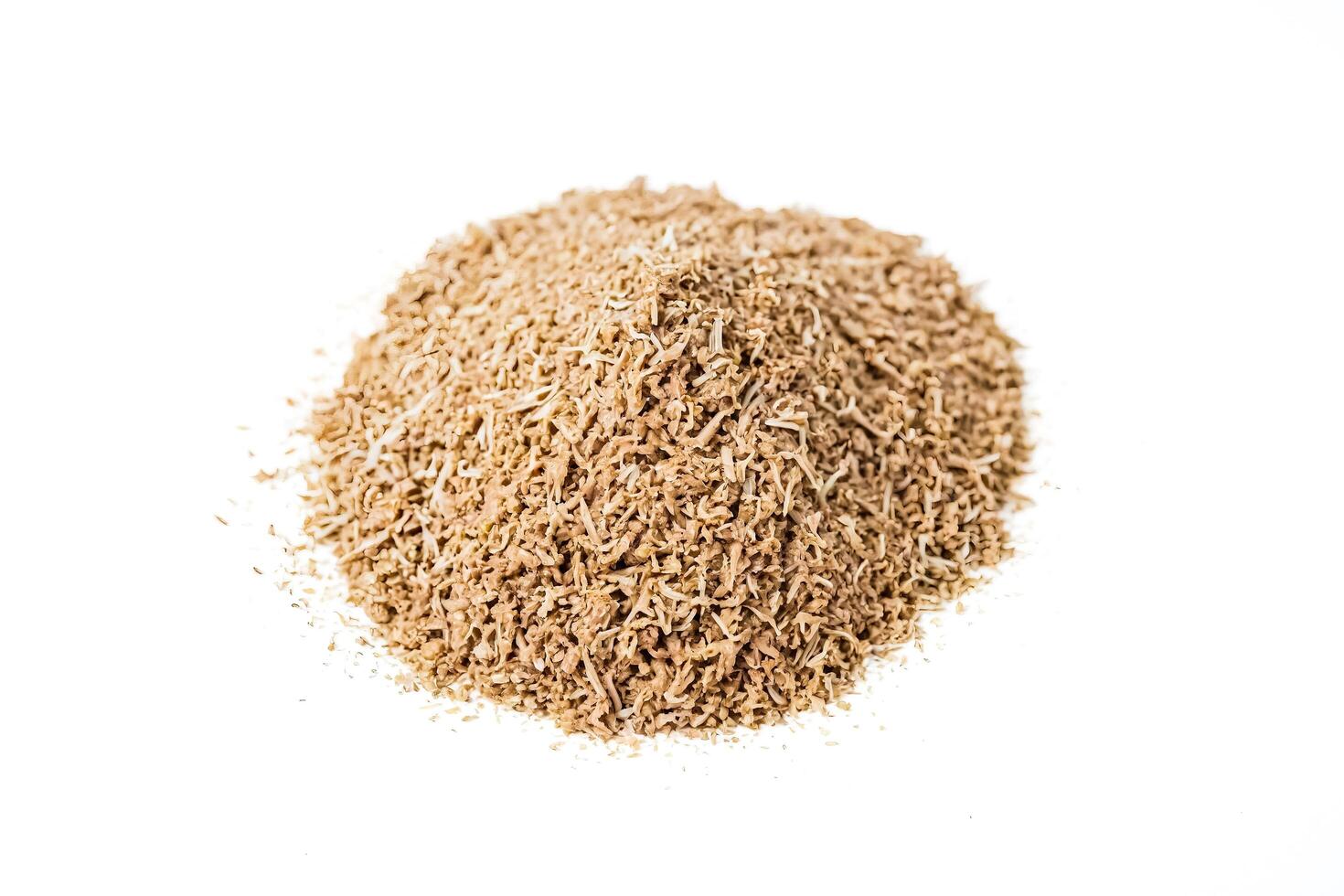
Is Chia Seed Gluten Free?

Is Chia Seed Gluten Free?

Yes, chia seeds are naturally gluten-free. They are safe for people with celiac disease or gluten sensitivity to consume as part of a gluten-free diet.

TL;DR

Yes, chia seeds are naturally gluten-free. They are safe for people with celiac disease or gluten sensitivity to consume as part of a gluten-free diet.

Quick Tips

1

High in nutrients: Chia seeds are packed with fiber, protein, omega-3 fatty acids, calcium, manganese, magnesium, phosphorus, and zinc.

2

Rich in antioxidants: They contain various antioxidants that protect the body from free radicals and oxidative stress.

3

May support weight loss: The high fiber and protein content can help increase feelings of fullness and reduce appetite.

# In This Article

3 sections

Quick navigation to each section of this article:

1 Benefits of Chia Seed

High in nutrients: Chia seeds are packed with fiber, protein, omega-3 fatty acids, calcium, manganese, magnesium, phosphorus, and zinc.

Jump
2 Who should avoid Chia Seed

People with a known allergy to chia seeds or other seeds

Jump
3 Related Gluten Free Products

Here are five gluten-free options similar to Chia Seeds, along with short descriptions:

Jump

Benefits of Chia Seed

Benefits of Chia Seed
High in nutrients: Chia seeds are packed with fiber, protein, omega-3 fatty acids, calcium, manganese, magnesium, phosphorus, and zinc.
Rich in antioxidants: They contain various antioxidants that protect the body from free radicals and oxidative stress.
May support weight loss: The high fiber and protein content can help increase feelings of fullness and reduce appetite.
May lower blood sugar levels: Chia seeds can help improve insulin sensitivity and blood sugar control, especially in people with type 2 diabetes.
May reduce chronic inflammation: The omega-3 fatty acids and antioxidants in chia seeds have anti-inflammatory properties.
Can improve heart health: Chia seeds may help lower blood pressure and reduce risk factors for heart disease.
High in bone nutrients: The calcium, phosphorus, and magnesium content supports bone health.
May improve digestive health: The high fiber content promotes regular bowel movements and supports gut health.
Can be used as an egg substitute: Useful for vegan baking and those with egg allergies.
Versatile and easy to incorporate into diet: Can be added to various foods and beverages.
May enhance exercise performance: The combination of nutrients can support endurance and recovery.Remember that while chia seeds offer many potential health benefits, they should be part of a balanced diet and healthy lifestyle.

Who should avoid Chia Seed

Who should avoid Chia Seed
People with a known allergy to chia seeds or other seeds
Individuals with a history of dysphagia (difficulty swallowing)
Those with esophageal restrictions or a narrowed esophagus
People taking blood thinners (e.g., warfarin) due to chia seeds’ potential interaction
Individuals with low blood pressure, as chia seeds may lower blood pressure further
Those with diabetes who are on medication, as chia seeds may affect blood sugar levels
Pregnant women should consult their doctor before adding chia seeds to their diet
People with inflammatory bowel diseases (e.g., Crohn’s disease, ulcerative colitis) should be cautious
Individuals prone to kidney stones, as chia seeds are high in oxalates
Those scheduled for surgery, as chia seeds may increase bleeding risk
People with prostate cancer, as some research suggests a potential link between ALA (found in chia seeds) and prostate cancer riskAlways consult with a healthcare professional before making significant changes to your diet, especially if you have any pre-existing health conditions.
ENJOY YOUR FAVORITE FOODS FEARLESSLY!
Don’t let gluten hold you back. Take Anti-Gluten Pills before your meal and enjoy peace of mind.
SHOP ANTI-GLUTEN PILLS
Clinically proven · Up to 86% gluten reduction · Fast acting

Here are five gluten-free options similar to Chia Seeds, along with short descriptions:

Related Gluten Free Products
Flax Seeds: Small, brown or golden seeds rich in omega-3 fatty acids and fiber. They have a nutty flavor and can be ground for better nutrient absorption.
Hemp Seeds: Soft, white seeds with a mild, nutty taste. They're high in protein, healthy fats, and minerals like magnesium and zinc.
Quinoa: A protein-rich pseudo-grain that cooks like rice. It has a slightly nutty flavor and provides all nine essential amino acids.
Amaranth: Tiny, ancient grain-like seeds with a peppery flavor. High in protein and minerals, it can be cooked like a grain or popped like popcorn.
Buckwheat: Despite its name, it's not related to wheat and is gluten-free. These pyramid-shaped seeds have a nutty, earthy flavor and are rich in antioxidants and minerals.

Health Information

? Frequently Asked Questions

4 questions
1 Who Cannot eat chia seeds?
Individuals with a known allergy to chia seeds should avoid consuming them. People taking blood thinners or with bleeding disorders may need to be cautious with chia seeds due to their omega-3 content. Those with digestive issues like inflammatory bowel disease may need to limit or avoid chia seeds. It's always best to consult with a healthcare provider before adding chia seeds to your diet if you have any health concerns.
2 Are chia seeds an inflammatory food?
Chia seeds are generally considered anti-inflammatory, not inflammatory. They contain omega-3 fatty acids, antioxidants, and fiber, which can help reduce inflammation in the body. Some studies have shown that consuming chia seeds may help lower markers of inflammation. However, as with any food, individual reactions can vary, so it's best to pay attention to how your body responds if you include chia seeds in your diet.
3 What seeds are not gluten-free?
Seeds are generally gluten-free, as gluten is a protein found in certain grains, not in seeds. However, there can be cross-contamination issues with some seeds during processing or packaging. Wheat berries, which are technically seeds, contain gluten and are not gluten-free. It's always best to check labels and choose certified gluten-free seeds if you have celiac disease or gluten sensitivity.
4 Can celiacs eat seeds?
Yes, most seeds are generally safe for people with celiac disease to eat. Seeds are naturally gluten-free and can be a great addition to a celiac-friendly diet. However, it's important to check that seeds haven't been processed in facilities that also handle gluten-containing grains, to avoid cross-contamination. Always read labels carefully and choose seeds that are certified gluten-free for the safest option.
LIVE GLUTEN-FREE WITHOUT THE FUSS!
Introducing Tolerase® G, clinically proven to reduce up to 86% of gluten in under 10 minutes. Experience the freedom to eat what you love.
SHOP ANTI-GLUTEN PILLS
150mg pure Tolerase® G · Reduces gluten by 86% · Under 10 minutes

Our Expert

Drs. Ilse van Asperen, Orthomolecular Therapist and Nutritional Coach

Drs. Ilse van Asperen

Orthomolecular Therapist, Nutritional Coach & Professional Editor

Drs. Ilse van Asperen is a medical doctor specialising in orthomolecular therapy and nutritional coaching. With a background in public and clinical health research and management, she focuses on addressing the root causes of health issues through diet, gut health, and stress reduction. As a professional editor for Little Helpers, she reviews all gluten-free content to ensure accuracy, safety, and scientific credibility. Read more on Drs. Ilse van Asperen's own website

Our Sources

The information on this page is based on reputable health and nutrition organisations, ensuring accuracy and reliability for anyone following a gluten-free diet. For further details, see the sources below.
Sources

Similar Articles

Back to blog