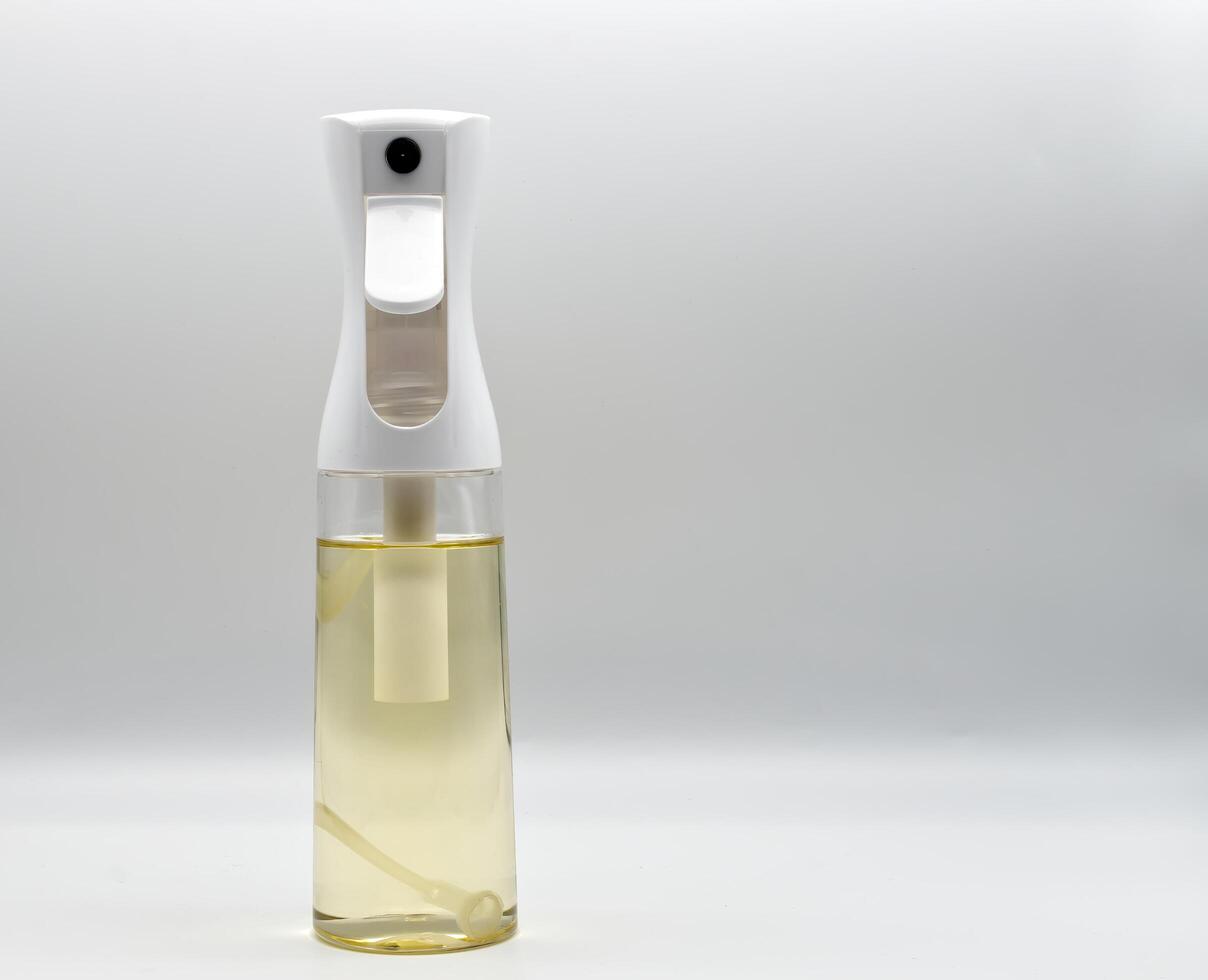
Is Cottonseed Oil Gluten Free?

Is Cottonseed Oil Gluten Free?

Yes, cottonseed oil is gluten-free. As a pure oil extracted from cotton plants, it does not contain any gluten proteins, which are found in wheat, barley, and rye.

TL;DR

Yes, cottonseed oil is gluten-free. As a pure oil extracted from cotton plants, it does not contain any gluten proteins, which are found in wheat, barley, and rye.

Quick Tips

1

High in vitamin E: Cottonseed oil is a good source of vitamin E, an antioxidant that helps protect cells from damage caused by free radicals.

2

May help lower cholesterol: Some studies suggest that cottonseed oil may help reduce LDL (bad) cholesterol levels.

3

Contains healthy unsaturated fats: Cottonseed oil is primarily composed of polyunsaturated and monounsaturated fats, which are considered heart-healthy when consumed in moderation.

# In This Article

3 sections

Quick navigation to each section of this article:

1 Benefits of Cottonseed Oil

High in vitamin E: Cottonseed oil is a good source of vitamin E, an antioxidant that helps protect cells from damage caused by free radicals.

Jump
2 Who should avoid Cottonseed Oil

Individuals with a known allergy to cotton or cottonseed products

Jump
3 Related Gluten Free Products

Here are five gluten-free options similar to Cottonseed Oil, along with brief descriptions:

Jump

Benefits of Cottonseed Oil

Benefits of Cottonseed Oil
High in vitamin E: Cottonseed oil is a good source of vitamin E, an antioxidant that helps protect cells from damage caused by free radicals.
May help lower cholesterol: Some studies suggest that cottonseed oil may help reduce LDL (bad) cholesterol levels.
Contains healthy unsaturated fats: Cottonseed oil is primarily composed of polyunsaturated and monounsaturated fats, which are considered heart-healthy when consumed in moderation.
May improve insulin sensitivity: Some research indicates that cottonseed oil might help improve insulin sensitivity, potentially benefiting those with or at risk for type 2 diabetes.
Potential anti-inflammatory properties: The oil contains compounds that may have anti-inflammatory effects in the body.
May support heart health: The combination of unsaturated fats and potential cholesterol-lowering effects may contribute to better heart health.
Source of omega-6 fatty acids: Cottonseed oil is rich in linoleic acid, an essential omega-6 fatty acid that the body needs for various functions.
Potential antimicrobial properties: Some studies suggest that cottonseed oil may have antimicrobial effects against certain bacteria and fungi.
May aid in weight management: When used as part of a balanced diet, the unsaturated fats in cottonseed oil may help with feeling full and satisfied, potentially aiding in weight management.
Heat stable for cooking: Cottonseed oil has a high smoke point, making it suitable for high-heat cooking methods while retaining its nutritional properties.Remember to consume cottonseed oil, like all oils, in moderation as part of a balanced diet.

Who should avoid Cottonseed Oil

Who should avoid Cottonseed Oil
Individuals with a known allergy to cotton or cottonseed products
People with a history of cardiovascular disease, as cottonseed oil is high in saturated fats
Those trying to reduce their intake of omega-6 fatty acids, as cottonseed oil is rich in these
Individuals with concerns about pesticide exposure, as cotton crops are often heavily treated with pesticides
People following a low-fat diet, as cottonseed oil is high in calories and fat
Those with digestive sensitivities, as some people may experience gastrointestinal discomfort from cottonseed oil
Pregnant women, as there is limited research on the effects of cottonseed oil during pregnancy
Individuals with a history of hormone-sensitive cancers, as cottonseed oil contains trace amounts of gossypol, which can affect hormone levels
People with specific health conditions that require them to limit their fat intake
Those following certain religious or cultural dietary restrictions that prohibit the consumption of cottonseed oilIt’s always best to consult with a healthcare professional or registered dietitian before making significant changes to your diet, especially if you have any underlying health conditions or concerns.
ENJOY YOUR FAVORITE FOODS FEARLESSLY!
Don’t let gluten hold you back. Take Anti-Gluten Pills before your meal and enjoy peace of mind.
SHOP ANTI-GLUTEN PILLS
Clinically proven · Up to 86% gluten reduction · Fast acting

Here are five gluten-free options similar to Cottonseed Oil, along with brief descriptions:

Related Gluten Free Products
Sunflower Oil- Extracted from sunflower seeds- Light, neutral flavor- High in vitamin E and healthy fats- Suitable for cooking, frying, and salad dressings
Canola Oil- Derived from rapeseed plants- Low in saturated fat and high in monounsaturated fat- Mild taste and versatile for various cooking methods- Good source of omega-3 fatty acids
Grapeseed Oil- Pressed from grape seeds, a byproduct of winemaking- Light flavor and high smoke point- Rich in vitamin E and polyunsaturated fats- Ideal for sautéing, frying, and as a salad oil
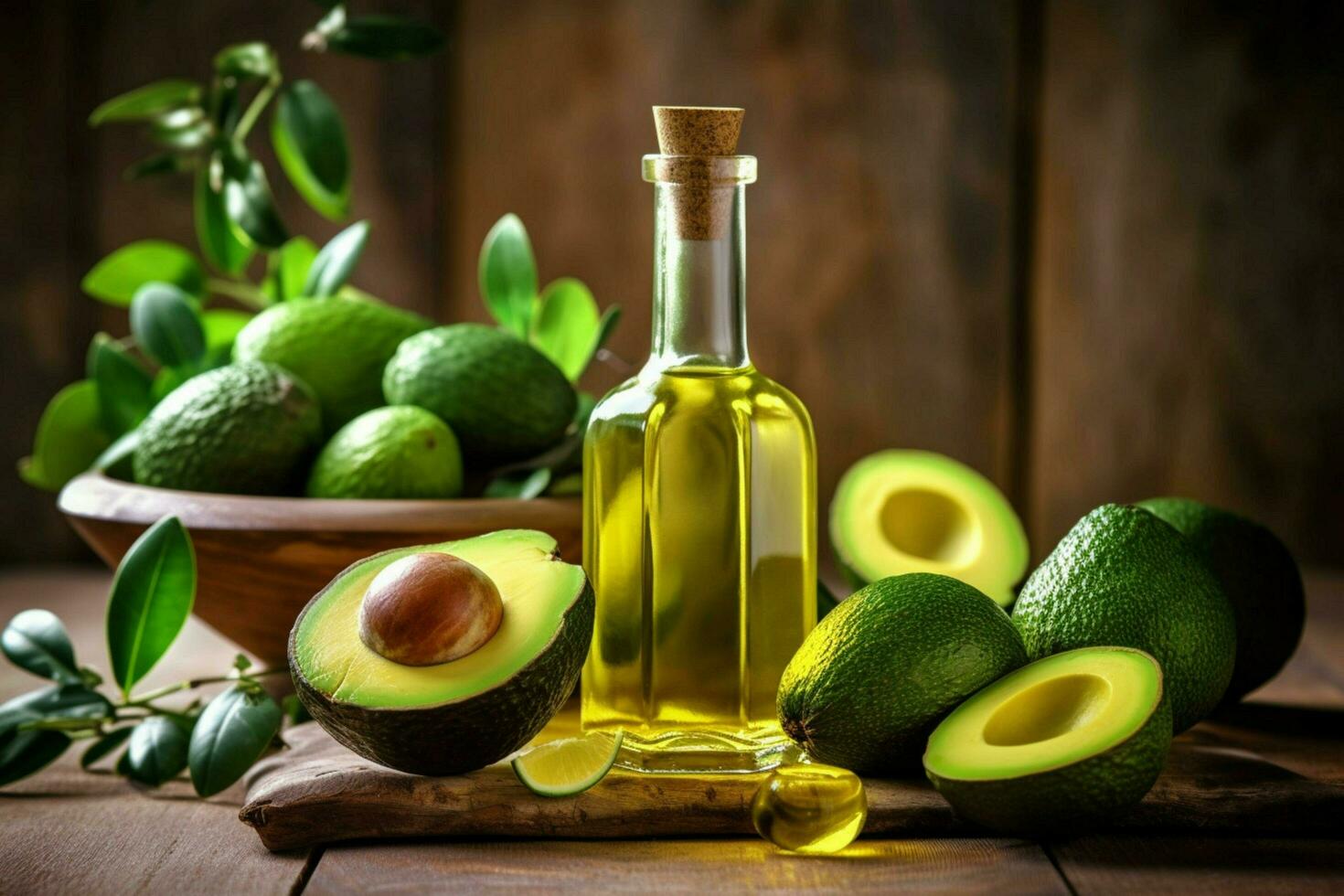
Avocado Oil- Extracted from the pulp of avocados- Mild, buttery flavor- High in monounsaturated fats and vitamin E- Suitable for high-heat cooking and as a finishing oil
Rice Bran Oil- Produced from the outer layer of rice grains- Neutral taste and high smoke point- Contains antioxidants and vitamin E- Versatile for various cooking methods, including deep-fryingAll of these oils are naturally gluten-free and can be used as alternatives to Cottonseed Oil in cooking and food preparation.

Health Information

? Frequently Asked Questions

4 questions
1 What is cottonseed oil made from?
Cottonseed oil is made from the seeds of cotton plants. After cotton fibers are removed during processing, the remaining seeds are crushed to extract the oil. This oil is then refined to remove impurities and make it suitable for consumption. Cottonseed oil is a byproduct of the cotton industry and has been used for cooking and other purposes for over a century.
2 What oils are gluten free?
All pure, single-ingredient oils are naturally gluten-free. This includes common cooking oils like olive oil, coconut oil, avocado oil, and vegetable oils. Nut oils such as almond oil or walnut oil are also gluten-free. However, it's important to check labels on flavored oils or oil blends to ensure no gluten-containing ingredients have been added.
3 What is the reason to avoid cottonseed oil?
Cottonseed oil is often highly processed and may contain residual pesticides from cotton crops. It is high in omega-6 fatty acids, which can contribute to inflammation when consumed in excess. Cottonseed oil also contains gossypol, a potentially toxic compound, though most of it is removed during processing. For these reasons, many nutrition experts recommend choosing healthier oil alternatives like olive oil or avocado oil.
4 Is cottonseed oil healthier than olive oil?
Olive oil is generally considered healthier than cottonseed oil. Olive oil is rich in monounsaturated fats and antioxidants, which have been linked to various health benefits. Cottonseed oil, on the other hand, is higher in polyunsaturated fats and may contain traces of pesticides used in cotton farming. While both oils can be part of a balanced diet, olive oil is typically recommended as the healthier choice for cooking and dressing.
LIVE GLUTEN-FREE WITHOUT THE FUSS!
Introducing Tolerase® G, clinically proven to reduce up to 86% of gluten in under 10 minutes. Experience the freedom to eat what you love.
SHOP ANTI-GLUTEN PILLS
150mg pure Tolerase® G · Reduces gluten by 86% · Under 10 minutes

Our Expert

Drs. Ilse van Asperen, Orthomolecular Therapist and Nutritional Coach

Drs. Ilse van Asperen

Orthomolecular Therapist, Nutritional Coach & Professional Editor

Drs. Ilse van Asperen is a medical doctor specialising in orthomolecular therapy and nutritional coaching. With a background in public and clinical health research and management, she focuses on addressing the root causes of health issues through diet, gut health, and stress reduction. As a professional editor for Little Helpers, she reviews all gluten-free content to ensure accuracy, safety, and scientific credibility. Read more on Drs. Ilse van Asperen's own website

Our Sources

The information on this page is based on reputable health and nutrition organisations, ensuring accuracy and reliability for anyone following a gluten-free diet. For further details, see the sources below.
Sources

Similar Articles

Back to blog