Share
TL;DR
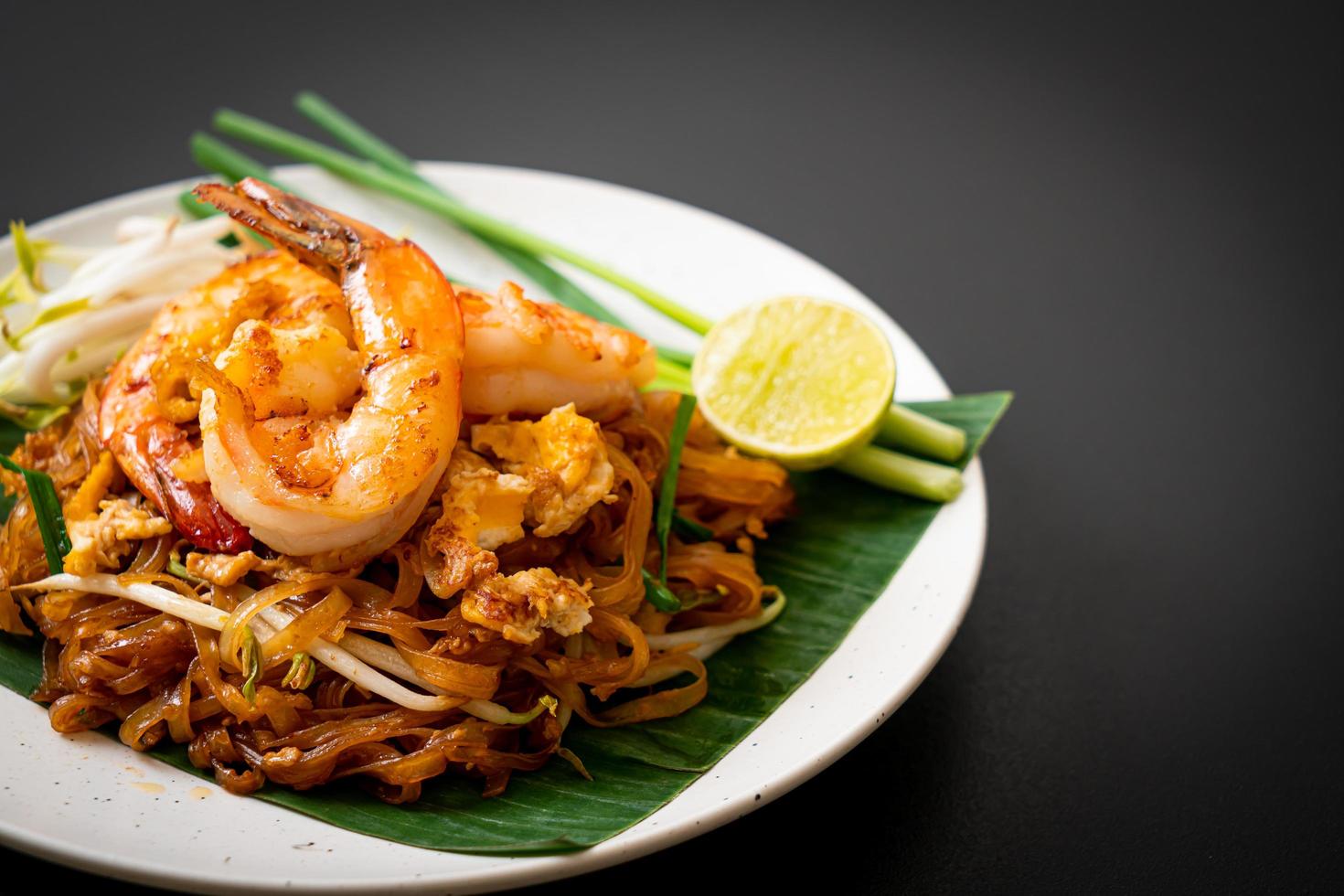
Drunken Noodles, also known as Pad Kee Mao, typically contain rice noodles which are naturally gluten-free. However, other ingredients in the dish, particularly soy sauce, may contain gluten unless specifically labeled as gluten-free, so it’s important to check with the restaurant or recipe to ensure all components are gluten-free if you have celiac disease or gluten sensitivity.
Quick Tips
1High in protein: Often contains chicken, shrimp, or tofu, providing essential amino acids for muscle growth and repair
2Rich in vegetables: Typically includes bell peppers, onions, and basil, offering vitamins, minerals, and antioxidants
3Garlic and chili peppers: Contains compounds that may boost immune function and metabolism
# In This Article
3 sectionsQuick navigation to each section of this article:
1 Benefits of Drunken Noodles
High in protein: Often contains chicken, shrimp, or tofu, providing essential amino acids for muscle growth and repair
Jump2 Who should avoid Drunken Noodles
People with gluten intolerance or celiac disease (if soy sauce containing wheat is used)
Jump3 Gluten Free Alternatives
Here are five gluten-free alternatives to Drunken Noodles, along with short descriptions:
JumpBenefits of Drunken Noodles
| Benefits of Drunken Noodles |
|---|
| High in protein: Often contains chicken, shrimp, or tofu, providing essential amino acids for muscle growth and repair |
| Rich in vegetables: Typically includes bell peppers, onions, and basil, offering vitamins, minerals, and antioxidants |
| Garlic and chili peppers: Contains compounds that may boost immune function and metabolism |
| Carbohydrate source: Provides energy from the rice noodles |
| Potential anti-inflammatory properties: From spices like chili and basil |
| May aid digestion: Spices can stimulate digestive enzymes |
| Source of healthy fats: If prepared with vegetable oils |
| Potential mood-boosting effects: Spicy foods can trigger endorphin release |
| Hydration: High water content in vegetables can contribute to daily fluid intake |
| Customizable: Can be adapted to include more vegetables or lean proteins for increased nutritional valueNote: While these potential benefits exist, it’s important to remember that Drunken Noodles can also be high in calories, sodium, and fat depending on preparation method and portion size. Moderation is key for a balanced diet. |
Who should avoid Drunken Noodles
| Who should avoid Drunken Noodles |
|---|
| People with gluten intolerance or celiac disease (if soy sauce containing wheat is used) |
| Individuals with shellfish allergies (if the dish contains shrimp or other seafood) |
| Those with soy allergies (due to the use of soy sauce) |
| People following a low-sodium diet (as the dish can be high in sodium) |
| Individuals with capsaicin sensitivity or those who cannot tolerate spicy foods |
| People with garlic or onion allergies or intolerances |
| Those following a low-carb or ketogenic diet (due to the noodles and sugar content) |
| Individuals with fish allergies (if fish sauce is used in the recipe) |
| People with egg allergies (if egg is used in the noodles or as an ingredient) |
| Those following a vegan or vegetarian diet (unless a plant-based version is available) |
| Individuals with MSG sensitivity (if MSG is used as a flavor enhancer) |
| People with certain gastrointestinal conditions that are aggravated by spicy or oily foods |
| Those with specific religious or cultural dietary restrictions that prohibit certain ingredientsRemember that ingredients can vary depending on the recipe and restaurant, so it’s always best to check the specific ingredients if you have any concerns or dietary restrictions. |
Gluten Free Alternatives
Here are five gluten-free alternatives to Drunken Noodles, along with short descriptions:
| Gluten Free Alternatives |
|---|
| Rice Noodle Stir-Fry:A dish made with wide rice noodles, vegetables, and protein of choice, stir-fried in a savory sauce. It offers a similar texture and flavor profile to Drunken Noodles while being naturally gluten-free. |
| Zucchini Noodle Pad Kee Mao:This low-carb alternative uses spiralized zucchini instead of wheat noodles. It's tossed with traditional Drunken Noodle seasonings and ingredients, providing a lighter, vegetable-based option. |
| Glass Noodle Stir-Fry:Made with thin, transparent noodles from mung bean or sweet potato starch, this dish offers a unique texture. It absorbs flavors well and can be prepared with similar ingredients to Drunken Noodles. |
| Shirataki Noodle Pad Kee Mao:Shirataki noodles, made from konjac yam, are virtually calorie-free and gluten-free. They can be stir-fried with traditional Drunken Noodle ingredients for a low-calorie alternative. |
| Quinoa Stir-Fry:While not a noodle dish, this alternative uses protein-rich quinoa as a base. It's stir-fried with vegetables and seasonings similar to Drunken Noodles, offering a nutritious, gluten-free option with a different texture. |
Health Information
? Frequently Asked Questions
4 questions1 Do drunken noodles contain gluten?
2 What are drunken noodles made of?
3 Do Thai noodles have gluten?
4 What kind of noodles are gluten-free?
Our Expert
Drs. Ilse van Asperen
Orthomolecular Therapist, Nutritional Coach & Professional Editor
Drs. Ilse van Asperen is a medical doctor specialising in orthomolecular therapy and nutritional coaching. With a background in public and clinical health research and management, she focuses on addressing the root causes of health issues through diet, gut health, and stress reduction. As a professional editor for Little Helpers, she reviews all gluten-free content to ensure accuracy, safety, and scientific credibility. Read more on Drs. Ilse van Asperen's own website
Our Sources
The information on this page is based on reputable health and nutrition organisations, ensuring accuracy and reliability for anyone following a gluten-free diet. For further details, see the sources below.