Is Duck Sauce Gluten Free?

Is Duck Sauce Gluten Free?

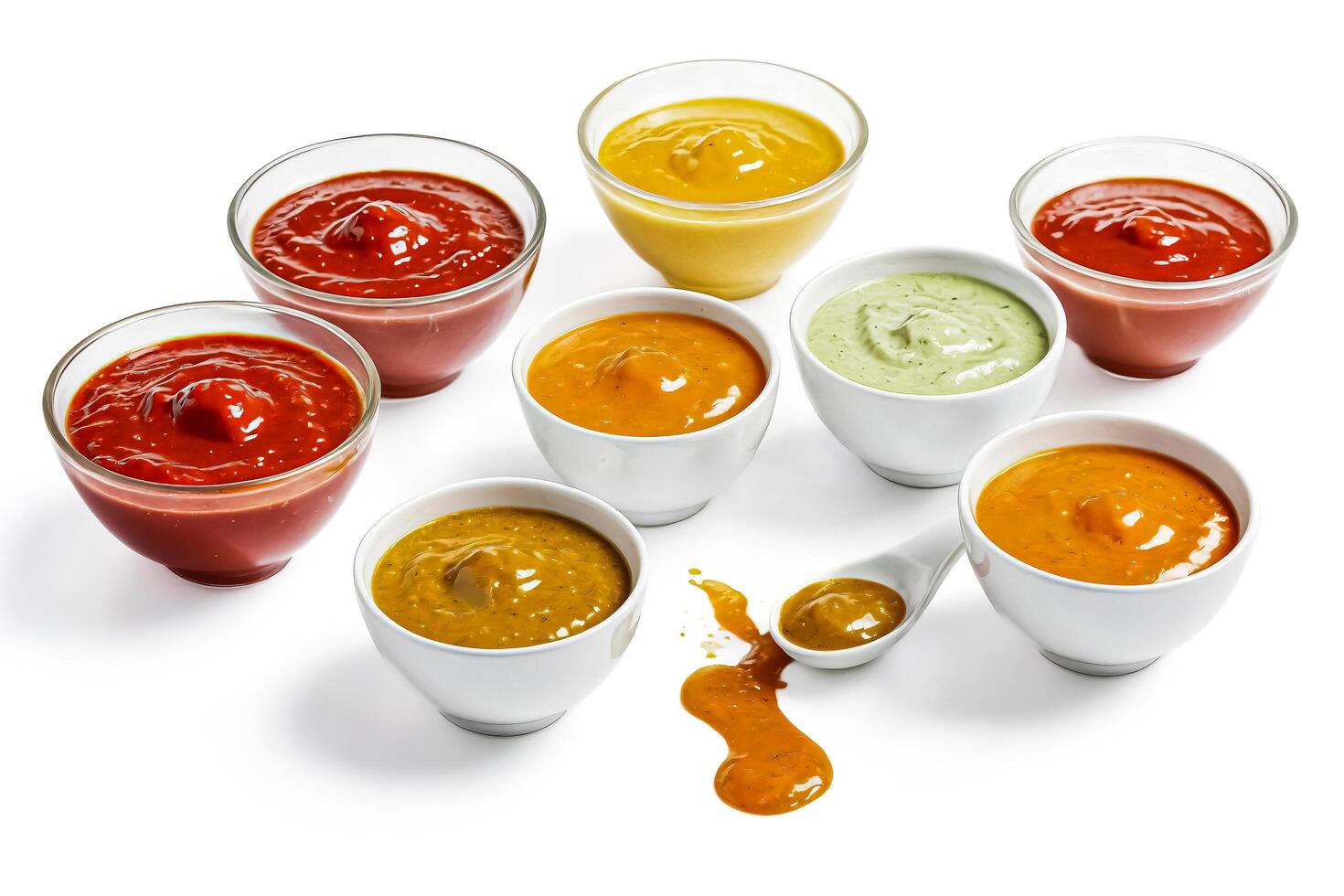
Most traditional duck sauce is typically gluten-free, as it’s usually made from ingredients like plums, apricots, sugar, and vinegar. However, it’s always best to check the specific brand or recipe, as some variations may include soy sauce or other additives that could contain gluten.

TL;DR

Most traditional duck sauce is typically gluten-free, as it’s usually made from ingredients like plums, apricots, sugar, and vinegar. However, it’s always best to check the specific brand or recipe, as some variations may include soy sauce or other additives that could contain gluten.

Quick Tips

1

Low in calories: Duck sauce is relatively low in calories compared to many other condiments.

2

Fat-free: Most commercial duck sauces are fat-free.

3

Contains some vitamins: Depending on the ingredients, it may provide small amounts of vitamins A and C.

# In This Article

3 sections

Quick navigation to each section of this article:

1 Benefits of Duck Sauce

Low in calories: Duck sauce is relatively low in calories compared to many other condiments.

Jump
2 Who should avoid Duck Sauce

People with soy allergies: Many duck sauce recipes contain soy sauce as an ingredient.

Jump
3 Related Gluten Free Products

Here are five gluten-free options similar to Duck Sauce, along with short descriptions:

Jump

Benefits of Duck Sauce

Benefits of Duck Sauce
Low in calories: Duck sauce is relatively low in calories compared to many other condiments.
Fat-free: Most commercial duck sauces are fat-free.
Contains some vitamins: Depending on the ingredients, it may provide small amounts of vitamins A and C.
Provides flavor without added salt: It can add flavor to dishes without increasing sodium content significantly.
May contain antioxidants: If made with real fruits like plums or apricots, it may offer some antioxidants.
Potential digestive aid: The vinegar content may help with digestion.
Sugar alternative: It can be used as a lower-calorie alternative to some sweet sauces or dressings.
Versatile condiment: Its use can encourage consumption of healthier foods like vegetables or lean proteins.However, it’s important to note that duck sauce is often high in sugar and should be consumed in moderation. The health benefits are minimal, and it should not be considered a significant source of nutrition.

Who should avoid Duck Sauce

Who should avoid Duck Sauce
People with soy allergies: Many duck sauce recipes contain soy sauce as an ingredient.
Individuals with wheat or gluten sensitivities: Some duck sauces may contain wheat-based ingredients.
Those with high blood pressure: Duck sauce can be high in sodium.
Diabetics: Duck sauce often contains high amounts of sugar.
People on low-sodium diets: Due to its high salt content.
Individuals with MSG sensitivities: Some commercial duck sauces may contain monosodium glutamate.
Those with fruit allergies: Particularly apricot or plum allergies, as these fruits are common ingredients.
People following a low-FODMAP diet: Due to the high fructose content in some ingredients.
Vegans: Some duck sauces may contain animal-derived ingredients.
Individuals with sulfite sensitivities: Some commercial varieties may contain sulfites as preservatives.Always check the ingredient list if you have specific dietary concerns or allergies.
ENJOY YOUR FAVORITE FOODS FEARLESSLY!
Don’t let gluten hold you back. Take Anti-Gluten Pills before your meal and enjoy peace of mind.
SHOP ANTI-GLUTEN PILLS
Clinically proven · Up to 86% gluten reduction · Fast acting

Here are five gluten-free options similar to Duck Sauce, along with short descriptions:

Related Gluten Free Products
Plum Sauce: A sweet and tangy sauce made from plums, sugar, and vinegar. It has a thicker consistency than Duck Sauce and is often used as a dipping sauce or glaze for meats.
Sweet Chili Sauce: A popular Thai condiment made from red chili peppers, garlic, vinegar, and sugar. It offers a balance of sweet and spicy flavors and is great for dipping or as a stir-fry sauce.
Hoisin Sauce: A thick, fragrant sauce made from soybeans, garlic, vinegar, and various spices. It has a sweet and salty taste and is commonly used in Chinese cuisine as a glaze or dipping sauce.
Tamarind Chutney: An Indian condiment made from tamarind fruit, sugar, and spices. It has a sweet and sour flavor profile and is often used as a dipping sauce or accompaniment to savory dishes.
Mango Chutney: A fruity and spicy condiment made from mangoes, vinegar, sugar, and various spices. It offers a complex flavor that's both sweet and tangy, making it ideal for pairing with meats or as a dipping sauce.Note: Always check product labels to ensure gluten-free status, as ingredients and processing methods can vary between brands.

Health Information

? Frequently Asked Questions

4 questions
1 What is duck sauce made of?
Duck sauce typically does not contain any duck. It is usually made from a combination of plums, apricots, or peaches mixed with sugar, vinegar, and spices. The sauce gets its name from being traditionally served with Peking duck in American Chinese cuisine. Its sweet and tangy flavor complements many dishes beyond just duck.
2 What sauce from the Chinese is gluten-free?
Soy sauce is typically not gluten-free due to its wheat content. However, tamari, a Japanese-style soy sauce, is often gluten-free as it's traditionally made without wheat. Other gluten-free Chinese sauces include oyster sauce, hoisin sauce (though check labels as some contain wheat), and rice vinegar. Always verify ingredients on product labels to ensure gluten-free status, as formulations can vary between brands.
3 Is duck from Chinese gluten-free?
Duck itself is naturally gluten-free. However, many Chinese duck dishes may contain gluten in their marinades, sauces, or accompaniments. For example, soy sauce, which is commonly used in Chinese cooking, typically contains wheat. It's important to check with the restaurant or recipe to confirm if all ingredients and preparation methods are gluten-free.
4 Why is hoisin sauce not gluten-free?
Hoisin sauce typically contains wheat flour as a thickening agent. This wheat flour contains gluten, making traditional hoisin sauce unsuitable for those following a gluten-free diet. Additionally, some brands may use soy sauce in their hoisin recipe, which often contains wheat as well. While gluten-free versions of hoisin sauce exist, the standard recipe is not considered gluten-free due to these ingredients.
LIVE GLUTEN-FREE WITHOUT THE FUSS!
Introducing Tolerase® G, clinically proven to reduce up to 86% of gluten in under 10 minutes. Experience the freedom to eat what you love.
SHOP ANTI-GLUTEN PILLS
150mg pure Tolerase® G · Reduces gluten by 86% · Under 10 minutes

Our Expert

Drs. Ilse van Asperen, Orthomolecular Therapist and Nutritional Coach

Drs. Ilse van Asperen

Orthomolecular Therapist, Nutritional Coach & Professional Editor

Drs. Ilse van Asperen is a medical doctor specialising in orthomolecular therapy and nutritional coaching. With a background in public and clinical health research and management, she focuses on addressing the root causes of health issues through diet, gut health, and stress reduction. As a professional editor for Little Helpers, she reviews all gluten-free content to ensure accuracy, safety, and scientific credibility. Read more on Drs. Ilse van Asperen's own website

Our Sources

The information on this page is based on reputable health and nutrition organisations, ensuring accuracy and reliability for anyone following a gluten-free diet. For further details, see the sources below.
Sources

Similar Articles

Back to blog