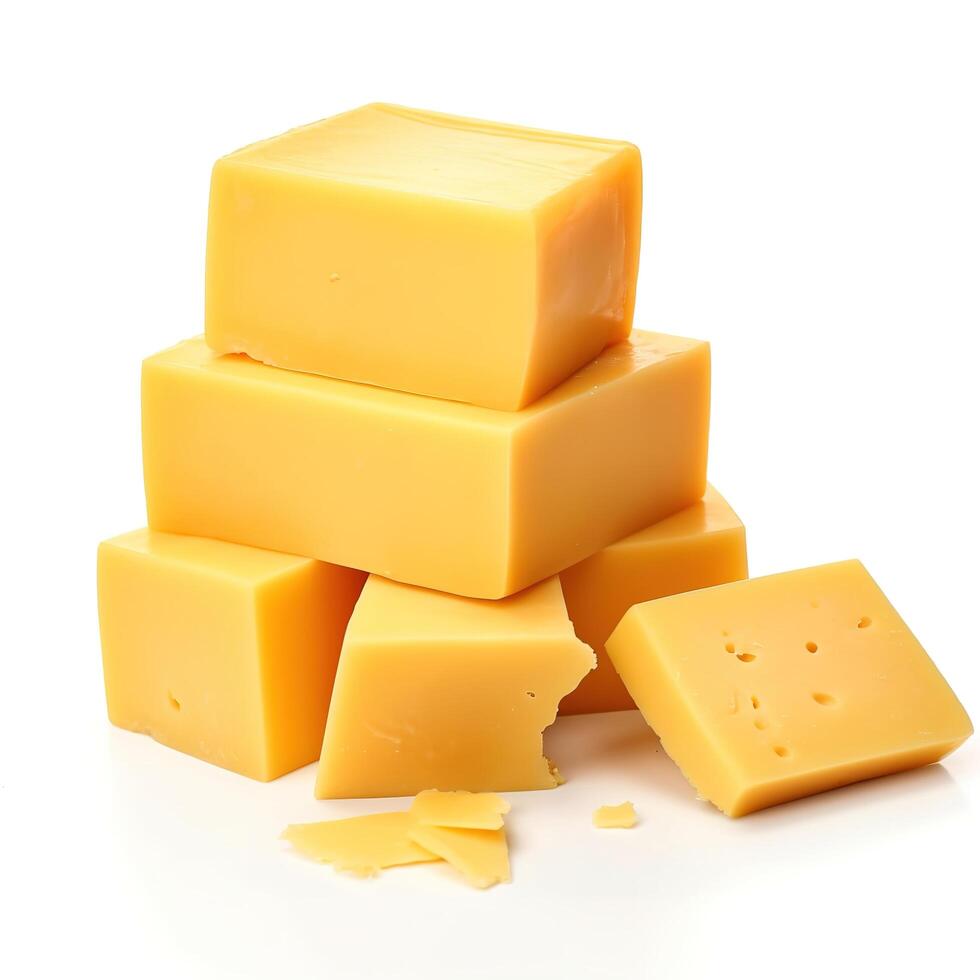
Is Feta Cheese Gluten Free?

Is Feta Cheese Gluten Free?

Yes, feta cheese is naturally gluten-free. As a dairy product made from sheep’s or goat’s milk (or a combination), feta does not contain any gluten-containing ingredients.

TL;DR

Yes, feta cheese is naturally gluten-free. As a dairy product made from sheep’s or goat’s milk (or a combination), feta does not contain any gluten-containing ingredients.

Quick Tips

1

Good source of protein: Feta cheese is rich in protein, which is essential for muscle growth and repair.

2

High in calcium: It provides a significant amount of calcium, which is crucial for bone health.

3

Contains probiotics: Some feta varieties contain probiotics that can support gut health.

# In This Article

3 sections

Quick navigation to each section of this article:

1 Benefits of Feta Cheese

Good source of protein: Feta cheese is rich in protein, which is essential for muscle growth and repair.

Jump
2 Who should avoid Feta Cheese

Pregnant women: Due to the risk of listeria contamination in unpasteurized feta

Jump
3 Related Gluten Free Products

Here are five gluten-free options similar to Feta Cheese, along with short descriptions:

Jump

Benefits of Feta Cheese

Benefits of Feta Cheese
Good source of protein: Feta cheese is rich in protein, which is essential for muscle growth and repair.
High in calcium: It provides a significant amount of calcium, which is crucial for bone health.
Contains probiotics: Some feta varieties contain probiotics that can support gut health.
Lower in calories: Compared to many other cheeses, feta is relatively low in calories.
Rich in B vitamins: Feta provides B vitamins, particularly riboflavin (B2), which is important for energy production.
Source of phosphorus: This mineral works with calcium to build strong bones and teeth.
Contains conjugated linoleic acid (CLA): CLA is a fatty acid that may have anti-inflammatory properties.
Provides selenium: This antioxidant mineral supports thyroid function and immune health.
Lower in lactose: Feta is lower in lactose than many other cheeses, making it more tolerable for some lactose-sensitive individuals.
Contains healthy fats: While feta is high in saturated fat, it also contains some beneficial fatty acids.
Supports satiety: The combination of protein and fat in feta can help you feel full and satisfied.Remember, while feta has these benefits, it’s also high in sodium and should be consumed in moderation as part of a balanced diet.

Who should avoid Feta Cheese

Who should avoid Feta Cheese
Pregnant women: Due to the risk of listeria contamination in unpasteurized feta
People with milk allergies: Feta is made from sheep’s or goat’s milk
Individuals with lactose intolerance: Though feta is lower in lactose than some cheeses, it still contains lactose
Those on a low-sodium diet: Feta is typically high in sodium
People with compromised immune systems: Due to the risk of foodborne illness from unpasteurized varieties
Individuals following a vegan diet: As feta is an animal product
Those with high cholesterol: Feta is high in saturated fat
People taking certain medications: Some antibiotics and antifungals may interact with aged cheeses
Individuals with a history of kidney stones: Due to the high calcium content in feta
Those following a low-FODMAP diet: Feta contains fermentable carbohydratesRemember, it’s always best to consult with a healthcare professional or registered dietitian for personalized advice regarding dietary restrictions.
ENJOY YOUR FAVORITE FOODS FEARLESSLY!
Don’t let gluten hold you back. Take Anti-Gluten Pills before your meal and enjoy peace of mind.
SHOP ANTI-GLUTEN PILLS
Clinically proven · Up to 86% gluten reduction · Fast acting

Here are five gluten-free options similar to Feta Cheese, along with short descriptions:

Related Gluten Free Products
Goat Cheese: A tangy, creamy cheese made from goat's milk. It has a slightly tart flavor and can be used crumbled or spread, much like feta.
Halloumi: A semi-hard, unripened cheese traditionally made from sheep's milk in Cyprus. It has a high melting point, making it ideal for grilling or frying.
Queso Fresco: A fresh, mild Mexican cheese made from cow's milk or a mixture of cow and goat's milk. It's crumbly and slightly salty, perfect for sprinkling over salads or tacos.
Ricotta Salata: An Italian cheese made from the whey of sheep's milk. It's pressed, salted, and aged, resulting in a firmer texture than fresh ricotta. It has a mildly salty flavor and can be grated or crumbled.
Cotija: A hard, crumbly Mexican cheese made from cow's milk. It has a strong, salty flavor and is often used as a topping for various Mexican dishes, similar to how feta is used in Greek cuisine.

Health Information

? Frequently Asked Questions

4 questions
1 What brand of feta is gluten-free?
Most brands of feta cheese are naturally gluten-free. Feta is typically made from sheep's milk or a combination of sheep's and goat's milk, which do not contain gluten. However, it's always important to check the label, as some brands may add gluten-containing ingredients or process their cheese in facilities that also handle gluten products. If you have celiac disease or gluten sensitivity, look for feta brands that are specifically labeled as gluten-free for added assurance.
2 What cheeses are not gluten-free?
Most cheeses are naturally gluten-free. However, some processed cheese products or cheese spreads may contain gluten as an additive or stabilizer. Blue cheese can sometimes contain gluten if the mold cultures were grown on wheat-based media. It's always best to check labels or contact manufacturers if you're unsure about a specific cheese product.
3 Is Greek feta gluten-free?
Yes, Greek feta cheese is typically gluten-free. Feta is made from sheep's milk or a mixture of sheep's and goat's milk, which naturally do not contain gluten. The cheese-making process for feta does not involve any ingredients that contain gluten. However, it's always best to check the label or with the manufacturer to be certain, especially if you have celiac disease or severe gluten sensitivity.
4 Can celiacs eat cheese?
Most celiacs can safely eat cheese. Plain, natural cheeses are generally gluten-free. However, some processed or flavored cheeses may contain gluten additives. It's important for celiacs to check labels and choose cheeses that are certified gluten-free to be certain.
LIVE GLUTEN-FREE WITHOUT THE FUSS!
Introducing Tolerase® G, clinically proven to reduce up to 86% of gluten in under 10 minutes. Experience the freedom to eat what you love.
SHOP ANTI-GLUTEN PILLS
150mg pure Tolerase® G · Reduces gluten by 86% · Under 10 minutes

Our Expert

Drs. Ilse van Asperen, Orthomolecular Therapist and Nutritional Coach

Drs. Ilse van Asperen

Orthomolecular Therapist, Nutritional Coach & Professional Editor

Drs. Ilse van Asperen is a medical doctor specialising in orthomolecular therapy and nutritional coaching. With a background in public and clinical health research and management, she focuses on addressing the root causes of health issues through diet, gut health, and stress reduction. As a professional editor for Little Helpers, she reviews all gluten-free content to ensure accuracy, safety, and scientific credibility. Read more on Drs. Ilse van Asperen's own website

Our Sources

The information on this page is based on reputable health and nutrition organisations, ensuring accuracy and reliability for anyone following a gluten-free diet. For further details, see the sources below.

Sources

Similar Articles

Back to blog