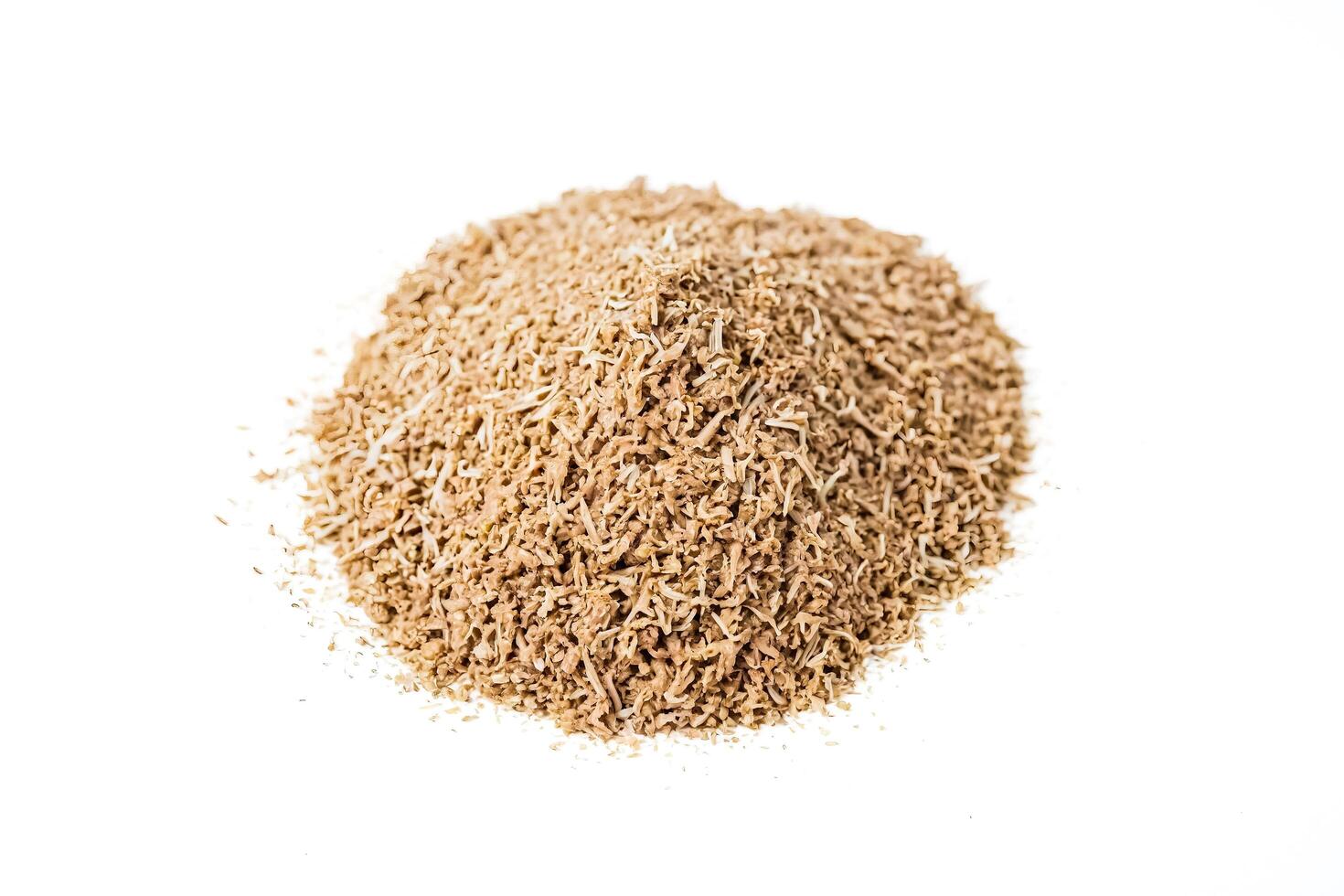
Is Flax Gluten Free?

Is Flax Gluten Free?

Yes, flax is naturally gluten-free. It is safe for people with celiac disease or gluten sensitivity to consume flax seeds and flax products, as long as they have not been cross-contaminated with gluten-containing grains during processing or packaging.

TL;DR

Yes, flax is naturally gluten-free. It is safe for people with celiac disease or gluten sensitivity to consume flax seeds and flax products, as long as they have not been cross-contaminated with gluten-containing grains during processing or packaging.

Quick Tips

1

Rich in omega-3 fatty acids, particularly alpha-linolenic acid (ALA)

2

High in dietary fiber, both soluble and insoluble

3

Contains lignans, which are powerful antioxidants

# In This Article

3 sections

Quick navigation to each section of this article:

1 Benefits of Flax

Rich in omega-3 fatty acids, particularly alpha-linolenic acid (ALA)

Jump
2 Who should avoid Flax

Pregnant women: Flax may act like estrogen and could increase the risk of pregnancy complications.

Jump
3 Related Gluten Free Products

Here are five gluten-free options similar to flax, along with short descriptions:

Jump

Benefits of Flax

Benefits of Flax
Rich in omega-3 fatty acids, particularly alpha-linolenic acid (ALA)
High in dietary fiber, both soluble and insoluble
Contains lignans, which are powerful antioxidants
May help lower cholesterol levels
Potentially reduces blood pressure
Could help manage blood sugar levels in people with diabetes
May aid in weight management
Promotes digestive health and regularity
Might reduce inflammation in the body
Potentially lowers risk of certain cancers, such as breast and prostate cancer
Supports heart health
Can improve skin health
May alleviate menopausal symptoms
Provides a good source of plant-based protein
Contains essential vitamins and minerals, including vitamin B1, magnesium, and phosphorus
Might support bone health
Could enhance cognitive function and brain healthRemember to consult with a healthcare professional before making significant changes to your diet or using flax as a supplement, especially if you have any existing health conditions or are taking medications.

Who should avoid Flax

Who should avoid Flax
Pregnant women: Flax may act like estrogen and could increase the risk of pregnancy complications.
Breastfeeding mothers: There’s not enough research on its safety during lactation.
People with hormone-sensitive cancers or conditions: Due to its potential estrogenic effects.
Individuals with bleeding disorders: Flax may increase the risk of bleeding.
People taking blood thinners: Flax might enhance the effects of these medications.
Those with low blood pressure: Flax might further lower blood pressure.
Individuals scheduled for surgery: Should stop consuming flax at least two weeks before surgery due to its blood-thinning effects.
People with diabetes: Flax might lower blood sugar levels, potentially interacting with diabetes medications.
Those with gastrointestinal obstructions: Flax can expand in the digestive tract and potentially worsen blockages.
Individuals with allergies to flax or related plants: To avoid allergic reactions.
People taking oral medications: Flax might interfere with the absorption of some drugs if taken simultaneously.Always consult with a healthcare provider before adding flax to your diet, especially if you have any medical conditions or are taking medications.
ENJOY YOUR FAVORITE FOODS FEARLESSLY!
Don’t let gluten hold you back. Take Anti-Gluten Pills before your meal and enjoy peace of mind.
SHOP ANTI-GLUTEN PILLS
Clinically proven · Up to 86% gluten reduction · Fast acting

Here are five gluten-free options similar to flax, along with short descriptions:

Related Gluten Free Products
Chia seeds: Small, nutrient-dense seeds rich in omega-3 fatty acids, fiber, and antioxidants. They can be used in baking, smoothies, or as a gel-like thickener when soaked in water.
Hemp seeds: Nutty-flavored seeds high in protein, healthy fats, and minerals. They can be sprinkled on salads, added to smoothies, or used in baking for a nutritional boost.
Psyllium husk: A soluble fiber derived from plantain seeds, often used as a binding agent in gluten-free baking. It also promotes digestive health and can help lower cholesterol.
Quinoa: A protein-rich pseudo-grain that can be used as a flour substitute in baking or cooked and used in place of other grains in various dishes.
Amaranth: An ancient seed with a nutty flavor, high in protein and minerals. It can be popped like popcorn, used as a flour in baking, or cooked as a porridge or side dish.

Health Information

? Frequently Asked Questions

4 questions
1 Who should not eat flaxseed meal?
Pregnant women should avoid consuming flaxseed meal due to its high lignans content, which may affect hormone levels. Individuals with bleeding disorders or those taking blood-thinning medications should consult their doctor before consuming flaxseed meal. People with hormone-sensitive cancers, such as breast or prostate cancer, may need to limit or avoid flaxseed meal intake. Those with allergies to flax or other seeds should not consume flaxseed meal.
2 Is flaxseed ok for celiac disease?
Flaxseed is generally considered safe and gluten-free, making it suitable for people with celiac disease. It's a nutritious seed rich in omega-3 fatty acids, fiber, and lignans. However, as with any food, it's important to ensure that the flaxseed has been processed in a gluten-free facility to avoid cross-contamination. Always check product labels and consult with your healthcare provider if you have any concerns about incorporating flaxseed into your celiac-friendly diet.
3 Is flax meal anti inflammatory?
Flax meal is considered to have anti-inflammatory properties. This is primarily due to its high content of omega-3 fatty acids, particularly alpha-linolenic acid (ALA). Studies have shown that consuming flax meal can help reduce inflammation markers in the body. However, more research is needed to fully understand the extent of its anti-inflammatory effects in various health conditions.
4 Is flaxseed meal OK for IBS?
Flaxseed meal can be beneficial for some people with IBS, but it may not be suitable for everyone. Its high fiber content can help regulate bowel movements and reduce constipation. However, for some individuals with IBS, flaxseed meal might trigger symptoms or cause discomfort. It's best to introduce flaxseed meal gradually and in small amounts, monitoring your body's response, and consult with a healthcare professional if you have concerns.
LIVE GLUTEN-FREE WITHOUT THE FUSS!
Introducing Tolerase® G, clinically proven to reduce up to 86% of gluten in under 10 minutes. Experience the freedom to eat what you love.
SHOP ANTI-GLUTEN PILLS
150mg pure Tolerase® G · Reduces gluten by 86% · Under 10 minutes

Our Expert

Drs. Ilse van Asperen, Orthomolecular Therapist and Nutritional Coach

Drs. Ilse van Asperen

Orthomolecular Therapist, Nutritional Coach & Professional Editor

Drs. Ilse van Asperen is a medical doctor specialising in orthomolecular therapy and nutritional coaching. With a background in public and clinical health research and management, she focuses on addressing the root causes of health issues through diet, gut health, and stress reduction. As a professional editor for Little Helpers, she reviews all gluten-free content to ensure accuracy, safety, and scientific credibility. Read more on Drs. Ilse van Asperen's own website

Our Sources

The information on this page is based on reputable health and nutrition organisations, ensuring accuracy and reliability for anyone following a gluten-free diet. For further details, see the sources below.

Sources

Similar Articles

Back to blog