Share
TL;DR
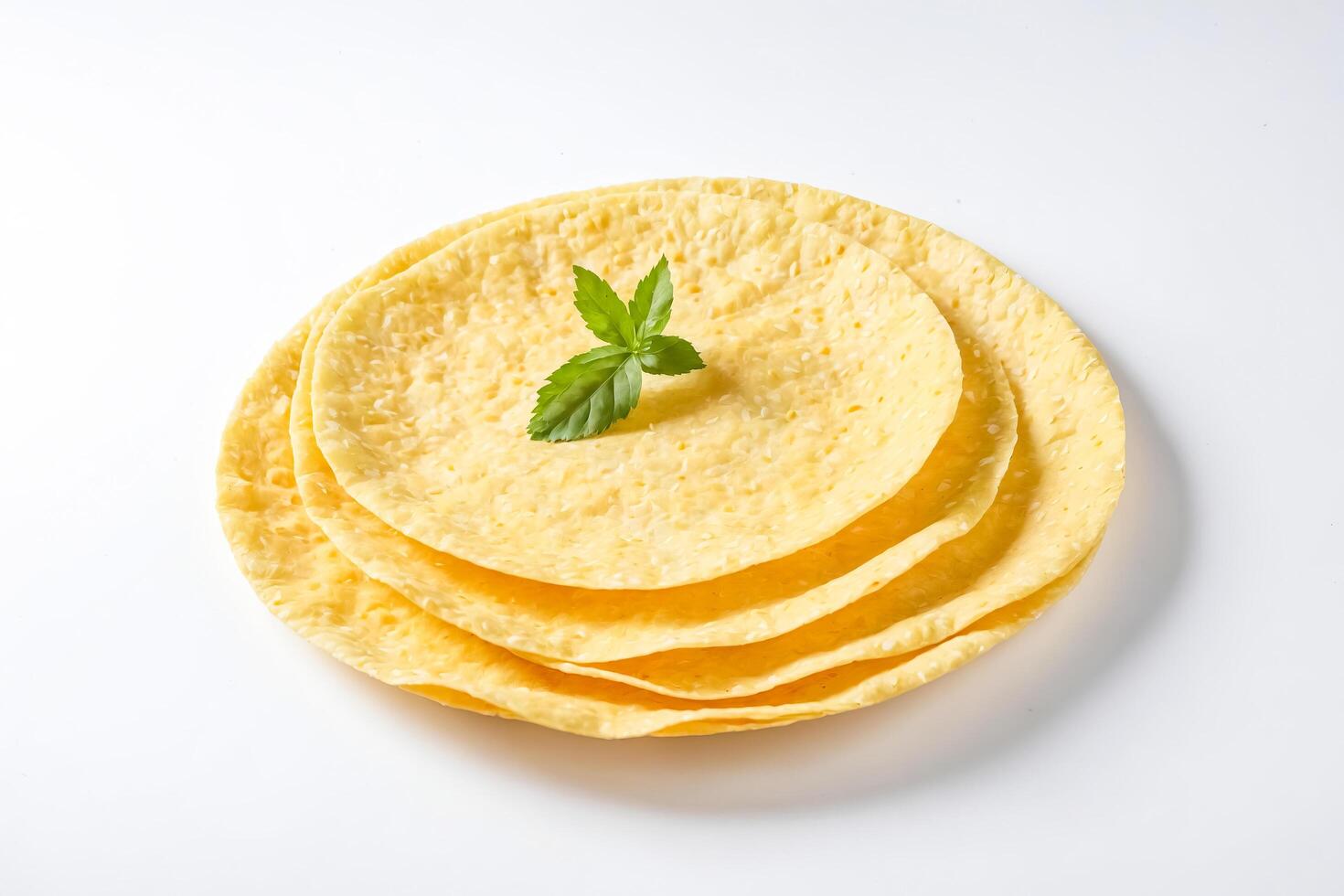
No, flour tortillas are not gluten-free. They are made primarily with wheat flour, which contains gluten.
Quick Tips
1Source of carbohydrates: Provides energy for the body
2Low in fat: Most flour tortillas are relatively low in fat content
3Contains some fiber: Offers a small amount of dietary fiber, which aids digestion
# In This Article
3 sectionsQuick navigation to each section of this article:
Benefits of Flour Tortilla
| Benefits of Flour Tortilla |
|---|
| Source of carbohydrates: Provides energy for the body |
| Low in fat: Most flour tortillas are relatively low in fat content |
| Contains some fiber: Offers a small amount of dietary fiber, which aids digestion |
| Provides some essential minerals: Contains small amounts of iron, calcium, and magnesium |
| Versatile base for healthier meals: Can be used to wrap nutritious ingredients like vegetables and lean proteins |
| Fortified options available: Some brands offer tortillas fortified with vitamins and minerals |
| Gluten-free alternatives: For those with gluten sensitivities, corn or alternative flour tortillas are available |
| Low in sugar: Generally contains very little or no added sugar |
| Protein content: Provides a small amount of protein, which is essential for various bodily functions |
| Sodium-free options: Some brands offer low-sodium or sodium-free tortillas for those monitoring salt intakeIt’s important to note that while these benefits exist, whole grain alternatives or corn tortillas generally offer more nutritional value compared to standard flour tortillas. |
Who should avoid Flour Tortilla
| Who should avoid Flour Tortilla |
|---|
| Those with celiac disease or gluten sensitivity |
| Individuals following a gluten-free diet |
| People with wheat allergies |
| Those on a low-carb or ketogenic diet |
| Individuals trying to reduce their intake of refined carbohydrates |
| People with diabetes who are closely monitoring their carbohydrate intake |
| Those following a paleo or grain-free diet |
| Individuals with non-celiac gluten sensitivity |
| People trying to lose weight and reduce calorie intake |
| Those following a raw food diet |
| Individuals with certain digestive disorders that are aggravated by wheat or gluten |
| People adhering to specific religious or cultural dietary restrictions that prohibit wheat or certain grainsRemember that for most people without specific health concerns or dietary restrictions, flour tortillas can be part of a balanced diet when consumed in moderation. |
Gluten Free Alternatives
Here are five gluten-free alternatives to flour tortillas, along with brief descriptions:
| Gluten Free Alternatives |
|---|
| Corn Tortillas:Made from corn masa flour, these traditional Mexican tortillas are naturally gluten-free. They have a distinct corn flavor and are slightly thicker than flour tortillas. |
| Cassava Tortillas:Made from cassava (yuca) flour, these tortillas are grain-free and have a neutral flavor. They're pliable and work well for both sweet and savory dishes. |
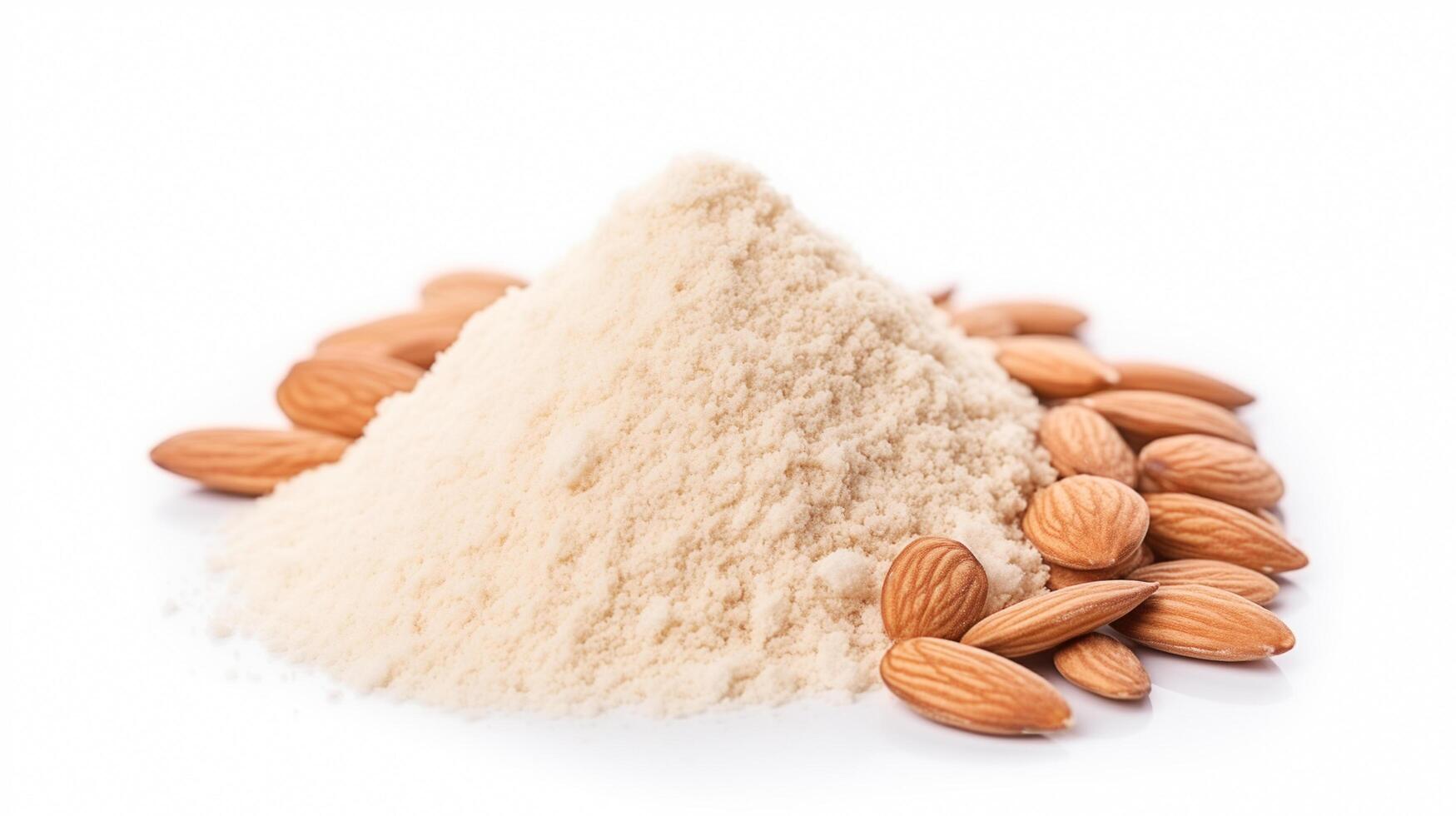
| Almond Flour Tortillas:These low-carb tortillas are made primarily from almond flour. They have a slightly nutty flavor and are more delicate than traditional tortillas but offer a good source of protein and healthy fats. |
| Coconut Flour Tortillas:Made from coconut flour, these tortillas are high in fiber and low in carbohydrates. They have a subtle coconut flavor and work well for those following paleo or keto diets. |
| Chickpea Flour Tortillas:Also known as socca or farinata, these tortillas are made from chickpea (garbanzo bean) flour. They have a slightly nutty flavor, are high in protein and fiber, and have a texture similar to thin flatbread. |
Health Information
? Frequently Asked Questions
4 questions1 Does Flourless Chocolate Cake contain gluten?
2 Does flourless mean gluten-free?
3 What cakes do not contain gluten?
4 Is Godiva flourless chocolate torte gluten-free?
Our Expert
Drs. Ilse van Asperen
Orthomolecular Therapist, Nutritional Coach & Professional Editor
Drs. Ilse van Asperen is a medical doctor specialising in orthomolecular therapy and nutritional coaching. With a background in public and clinical health research and management, she focuses on addressing the root causes of health issues through diet, gut health, and stress reduction. As a professional editor for Little Helpers, she reviews all gluten-free content to ensure accuracy, safety, and scientific credibility. Read more on Drs. Ilse van Asperen's own website
Our Sources
The information on this page is based on reputable health and nutrition organisations, ensuring accuracy and reliability for anyone following a gluten-free diet. For further details, see the sources below.