Is Gelatin Gluten Free?

Is Gelatin Gluten Free?

Yes, gelatin is gluten-free. It is derived from collagen obtained from animal body parts, and contains no wheat, barley, rye, or other gluten-containing ingredients.

TL;DR

Yes, gelatin is gluten-free. It is derived from collagen obtained from animal body parts, and contains no wheat, barley, rye, or other gluten-containing ingredients.

Quick Tips

1

Improves gut health and digestion

2

Supports joint health and may reduce joint pain

3

Promotes skin health and elasticity

# In This Article

3 sections

Quick navigation to each section of this article:

1 Benefits of Gelatin

Improves gut health and digestion

Jump
2 Who should avoid Gelatin

Vegetarians and vegans, as gelatin is derived from animal sources

Jump
3 Related Gluten Free Products

Here are five similar gluten-free options like Gelatin, along with short descriptions:

Jump

Benefits of Gelatin

Benefits of Gelatin
Improves gut health and digestion
Supports joint health and may reduce joint pain
Promotes skin health and elasticity
Strengthens hair and nails
May help with weight management by increasing feelings of fullness
Supports bone health and may help prevent osteoporosis
Can improve sleep quality
Supports liver function and detoxification
May help reduce inflammation in the body
Provides easily digestible protein
Can help improve cognitive function and memory
Supports heart health by helping to prevent arterial stiffness
May aid in blood sugar regulation
Supports the health of the endocrine system
Can help in wound healing and tissue repair
May improve muscle mass and strength when combined with exerciseRemember that while gelatin has many potential benefits, it’s always best to consult with a healthcare professional before making significant changes to your diet or supplement regimen.

Who should avoid Gelatin

Who should avoid Gelatin
Vegetarians and vegans, as gelatin is derived from animal sources
Those following kosher or halal diets, unless the gelatin is specifically certified
People with alpha-gal syndrome (red meat allergy), as gelatin is often derived from beef or pork
Individuals with certain religious dietary restrictions (e.g., some Hindus, Buddhists, and Jains)
Those with gelatin allergies or sensitivities
People following a pescatarian diet, unless the gelatin is fish-based
Individuals concerned about the potential transmission of bovine spongiform encephalopathy (BSE), although this risk is considered very low with modern manufacturing practices
Those with ethical concerns about animal-derived products
People following specific medical diets that restrict gelatin intake
Individuals who are unsure about the source of the gelatin and have dietary restrictionsIt’s important to note that while these groups should generally avoid or be cautious about gelatin, individual circumstances may vary. Always consult with a healthcare professional or registered dietitian for personalized advice.
ENJOY YOUR FAVORITE FOODS FEARLESSLY!
Don’t let gluten hold you back. Take Anti-Gluten Pills before your meal and enjoy peace of mind.
SHOP ANTI-GLUTEN PILLS
Clinically proven · Up to 86% gluten reduction · Fast acting

Here are five similar gluten-free options like Gelatin, along with short descriptions:

Related Gluten Free Products
Agar-agar: A plant-based gelatin substitute derived from seaweed. It's flavorless and sets more firmly than gelatin, making it ideal for jellies, custards, and vegan desserts.
Carrageenan: Another seaweed-derived thickener that creates a soft gel. It's commonly used in dairy products, sauces, and as a stabilizer in various foods.
Pectin: A natural gelling agent found in fruits, particularly apples and citrus peels. It's widely used in jams, jellies, and fruit-based desserts.
Xanthan gum: A fermented corn sugar derivative that acts as a thickener and stabilizer. It's versatile and often used in gluten-free baking to improve texture.
Guar gum: A powder made from guar beans that serves as a thickener and binder. It's effective in small quantities and is commonly used in gluten-free baking and ice cream production.

Health Information

? Frequently Asked Questions

4 questions
1 Is gelatin safe for celiacs?
Gelatin is generally considered safe for people with celiac disease. It is derived from animal collagen and does not contain gluten. However, some celiacs may react to trace amounts of gluten that could be present due to cross-contamination during processing. To be absolutely certain, individuals with celiac disease should look for gelatin products that are specifically labeled as gluten-free.
2 What brands of gelatin are gluten-free?
Most major brands of unflavored gelatin are gluten-free. This includes popular brands like Knox, Great Lakes, and Now Foods gelatin. Flavored gelatin products, such as Jell-O, are also typically gluten-free, but it's always best to check the label to be certain. Some specialty or store-brand gelatins may contain gluten, so it's important to read ingredient lists carefully if you have celiac disease or gluten sensitivity.
3 Why is gelatin not gluten-free?
Gelatin is actually gluten-free. It is derived from animal collagen, usually from cow or pig bones and skin. Gelatin does not contain any wheat, barley, rye, or other gluten-containing grains. The confusion may arise because some people mistakenly associate gelatin with gluten due to similar-sounding names.
4 Does jello have gluten in it?
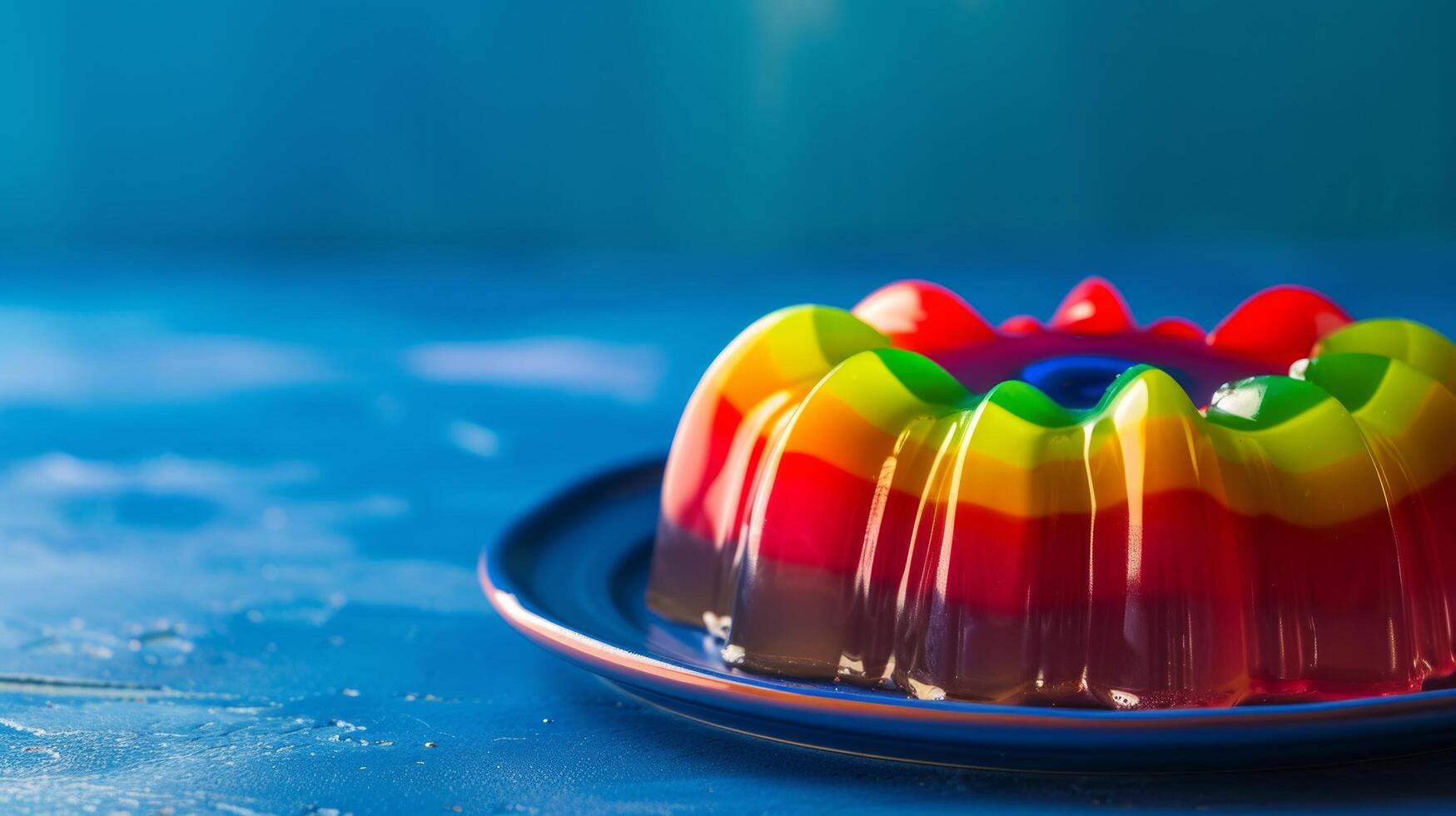
Most regular jello does not contain gluten. Jello is typically made from gelatin, which is derived from animal collagen and is naturally gluten-free. However, some flavored or specialty jello products may contain gluten-containing additives or flavorings. It's always best to check the ingredient list or look for a gluten-free label if you have celiac disease or gluten sensitivity.
LIVE GLUTEN-FREE WITHOUT THE FUSS!
Introducing Tolerase® G, clinically proven to reduce up to 86% of gluten in under 10 minutes. Experience the freedom to eat what you love.
SHOP ANTI-GLUTEN PILLS
150mg pure Tolerase® G · Reduces gluten by 86% · Under 10 minutes

Our Expert

Drs. Ilse van Asperen, Orthomolecular Therapist and Nutritional Coach

Drs. Ilse van Asperen

Orthomolecular Therapist, Nutritional Coach & Professional Editor

Drs. Ilse van Asperen is a medical doctor specialising in orthomolecular therapy and nutritional coaching. With a background in public and clinical health research and management, she focuses on addressing the root causes of health issues through diet, gut health, and stress reduction. As a professional editor for Little Helpers, she reviews all gluten-free content to ensure accuracy, safety, and scientific credibility. Read more on Drs. Ilse van Asperen's own website

Our Sources

The information on this page is based on reputable health and nutrition organisations, ensuring accuracy and reliability for anyone following a gluten-free diet. For further details, see the sources below.
Sources

Similar Articles

Back to blog