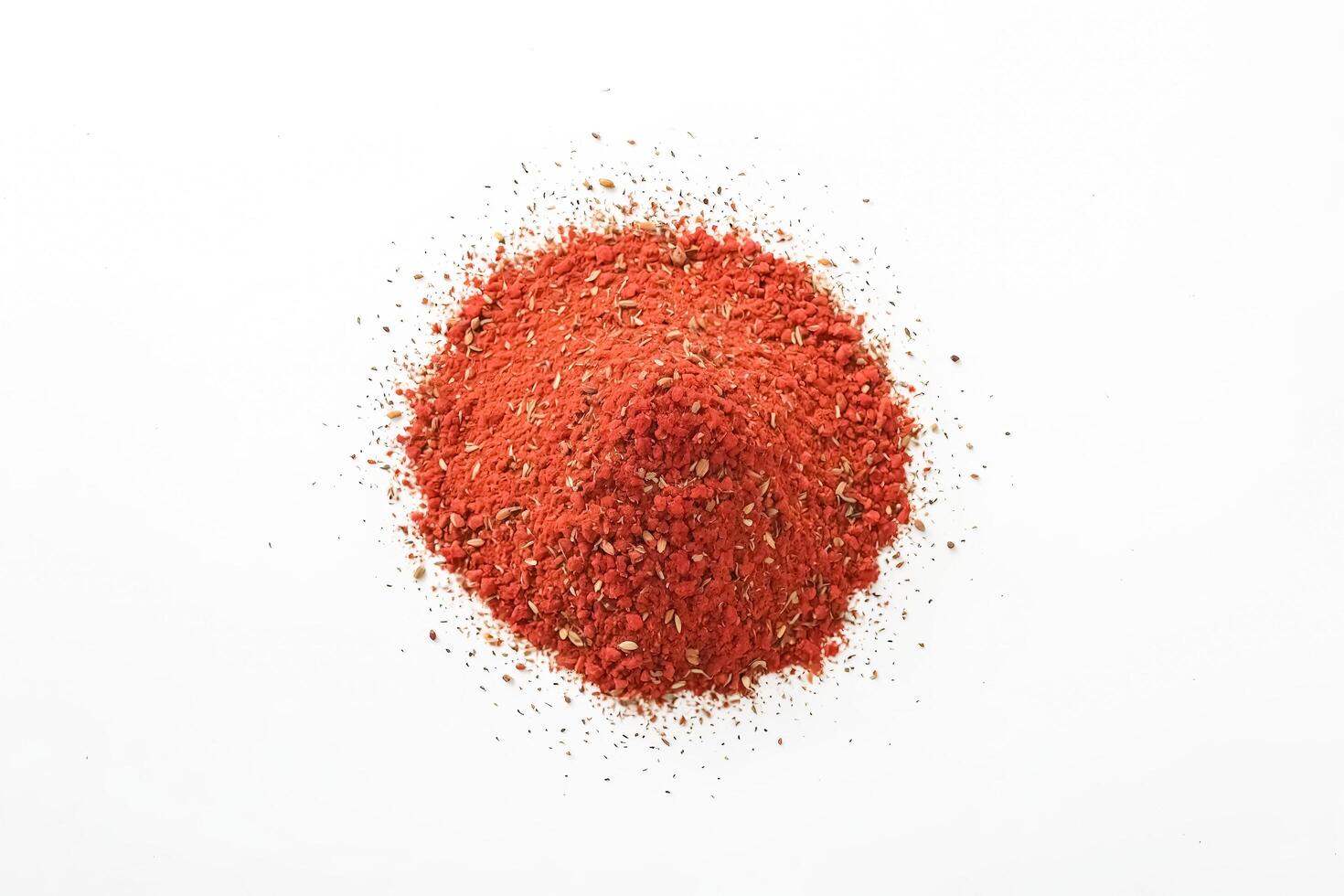
Is Greek Seasoning Gluten Free?

Is Greek Seasoning Gluten Free?

Greek seasoning typically consists of a blend of herbs and spices such as oregano, basil, thyme, garlic powder, salt, and pepper, which are naturally gluten-free. However, some commercially prepared Greek seasoning blends may contain additives or anti-caking agents that could potentially contain gluten, so it’s always best to check the label or contact the manufacturer to be certain.

TL;DR

Greek seasoning typically consists of a blend of herbs and spices such as oregano, basil, thyme, garlic powder, salt, and pepper, which are naturally gluten-free. However, some commercially prepared Greek seasoning blends may contain additives or anti-caking agents that could potentially contain gluten, so it’s always best to check the label or contact the manufacturer to be certain.

Quick Tips

1

Rich in antioxidants: Many herbs and spices in Greek seasoning, like oregano and garlic, are high in antioxidants that help fight free radicals in the body.

2

Anti-inflammatory properties: Ingredients like rosemary and thyme have anti-inflammatory effects, which may help reduce chronic inflammation.

3

Digestive aid: Certain components, such as marjoram and fennel, can help improve digestion and relieve gastrointestinal discomfort.

# In This Article

3 sections

Quick navigation to each section of this article:

1 Benefits of Greek Seasoning

Rich in antioxidants: Many herbs and spices in Greek seasoning, like oregano and garlic, are high in antioxidants that help fight free radicals in the body.

Jump
2 Who should avoid Greek Seasoning

Those with allergies to any of the ingredients commonly found in Greek seasoning, such as: – Oregano – Basil – Thyme – Garlic – Onion – Salt – Pepper

Jump
3 Related Gluten Free Products

Here are five gluten-free options similar to Greek Seasoning, along with short descriptions:

Jump

Benefits of Greek Seasoning

Benefits of Greek Seasoning
Rich in antioxidants: Many herbs and spices in Greek seasoning, like oregano and garlic, are high in antioxidants that help fight free radicals in the body.
Anti-inflammatory properties: Ingredients like rosemary and thyme have anti-inflammatory effects, which may help reduce chronic inflammation.
Digestive aid: Certain components, such as marjoram and fennel, can help improve digestion and relieve gastrointestinal discomfort.
Immune system boost: Garlic and oregano, common ingredients in Greek seasoning, are known to support immune function.
Heart health: Some herbs like oregano and garlic may help lower blood pressure and improve cholesterol levels.
Antimicrobial effects: Many herbs in Greek seasoning have natural antimicrobial properties that can help fight harmful bacteria.
Improved nutrient absorption: Some spices can enhance the absorption of nutrients from other foods.
Weight management: Using flavorful seasoning can reduce the need for excess salt or unhealthy fats in cooking.
Blood sugar regulation: Certain spices like cinnamon (sometimes included in Greek seasoning) may help regulate blood sugar levels.
Mood enhancement: The aroma of herbs like basil and oregano can have a positive effect on mood and stress levels.Remember that while these potential benefits exist, the impact will depend on the specific blend of herbs and spices in the Greek seasoning and the quantity consumed.

Who should avoid Greek Seasoning

Who should avoid Greek Seasoning
Those with allergies to any of the ingredients commonly found in Greek seasoning, such as: – Oregano – Basil – Thyme – Garlic – Onion – Salt – Pepper
Individuals on a low-sodium diet, as Greek seasoning often contains salt
People with acid reflux or GERD, as some spices may trigger symptoms
Those with IBS (Irritable Bowel Syndrome) who are sensitive to certain herbs and spices
Individuals taking blood-thinning medications, as some herbs may interact with these drugs
People with a history of kidney stones, as some spices may increase the risk of stone formation
Those with certain gastrointestinal conditions that may be aggravated by spicy foods
Pregnant women should consult their doctor before using large amounts of herbal seasoning blends
Young children, as their digestive systems may be more sensitive to certain spices
Anyone with a known sensitivity or intolerance to any of the common ingredients in Greek seasoningIt’s always best to check the specific ingredients in the Greek seasoning blend you’re using and consult with a healthcare professional if you have any concerns about its use in your diet.
ENJOY YOUR FAVORITE FOODS FEARLESSLY!
Don’t let gluten hold you back. Take Anti-Gluten Pills before your meal and enjoy peace of mind.
SHOP ANTI-GLUTEN PILLS
Clinically proven · Up to 86% gluten reduction · Fast acting

Here are five gluten-free options similar to Greek Seasoning, along with short descriptions:

Related Gluten Free Products
Italian Seasoning Blend: A versatile mix of dried herbs typically including basil, oregano, rosemary, thyme, and marjoram. It's great for Mediterranean-inspired dishes and can be used in marinades, dressings, and sauces.
Herbs de Provence: A French herb blend usually containing thyme, basil, rosemary, tarragon, savory, marjoram, oregano, and sometimes lavender. It's excellent for roasted meats, vegetables, and soups.
Za'atar: A Middle Eastern spice blend made with dried herbs like thyme and oregano, sesame seeds, and sumac. It's often used as a condiment or seasoning for bread, meats, and vegetables.
Cajun Seasoning: A spicy blend originating from Louisiana, typically including paprika, cayenne, garlic powder, onion powder, and various herbs. It's great for adding heat and flavor to meat, fish, and rice dishes.
Lemon Pepper Seasoning: A simple but flavorful blend of lemon zest and cracked black pepper, sometimes with additional herbs and spices. It's perfect for seasoning poultry, fish, and vegetables, offering a bright, tangy flavor profile.These seasoning blends offer diverse flavor profiles and can be used in a variety of dishes, providing gluten-free alternatives to Greek Seasoning.

Health Information

? Frequently Asked Questions

4 questions
1 What is Greek seasoning made of?
Greek seasoning typically consists of a blend of dried herbs and spices. Common ingredients include oregano, basil, thyme, garlic powder, and onion powder. Many blends also incorporate salt, black pepper, and sometimes lemon zest or marjoram. The exact composition can vary between brands or homemade recipes, but these core ingredients are usually present to create the characteristic Mediterranean flavor profile.
2 Is Cavender's all Greek seasoning gluten-free?
Cavender's All Purpose Greek Seasoning is generally considered gluten-free. However, the product's label does not explicitly state that it is gluten-free. The ingredients list does not include any obvious gluten-containing components. For those with celiac disease or severe gluten sensitivity, it's always best to contact the manufacturer directly to confirm the gluten-free status of the product.
3 What seasonings are not gluten-free?
Most pure herbs and spices are naturally gluten-free. However, some seasoning blends and mixes may contain gluten ingredients as fillers or anti-caking agents. Common culprits include products with wheat starch, malt flavoring, or hydrolyzed wheat protein. Always check labels carefully, especially for seasoned salt blends, bouillon cubes, and flavoring packets.
4 Is Greek food usually gluten-free?
Greek cuisine is not inherently gluten-free. Many traditional Greek dishes contain gluten-containing ingredients such as wheat flour, bulgur, and pasta. However, there are numerous naturally gluten-free options in Greek cuisine, including meat, fish, vegetables, rice, and legume-based dishes. With some modifications and careful selection, it's possible to enjoy many Greek dishes while adhering to a gluten-free diet.
LIVE GLUTEN-FREE WITHOUT THE FUSS!
Introducing Tolerase® G, clinically proven to reduce up to 86% of gluten in under 10 minutes. Experience the freedom to eat what you love.
SHOP ANTI-GLUTEN PILLS
150mg pure Tolerase® G · Reduces gluten by 86% · Under 10 minutes

Our Expert

Drs. Ilse van Asperen, Orthomolecular Therapist and Nutritional Coach

Drs. Ilse van Asperen

Orthomolecular Therapist, Nutritional Coach & Professional Editor

Drs. Ilse van Asperen is a medical doctor specialising in orthomolecular therapy and nutritional coaching. With a background in public and clinical health research and management, she focuses on addressing the root causes of health issues through diet, gut health, and stress reduction. As a professional editor for Little Helpers, she reviews all gluten-free content to ensure accuracy, safety, and scientific credibility. Read more on Drs. Ilse van Asperen's own website

Our Sources

The information on this page is based on reputable health and nutrition organisations, ensuring accuracy and reliability for anyone following a gluten-free diet. For further details, see the sources below.

Sources

Similar Articles

Back to blog