Share
TL;DR
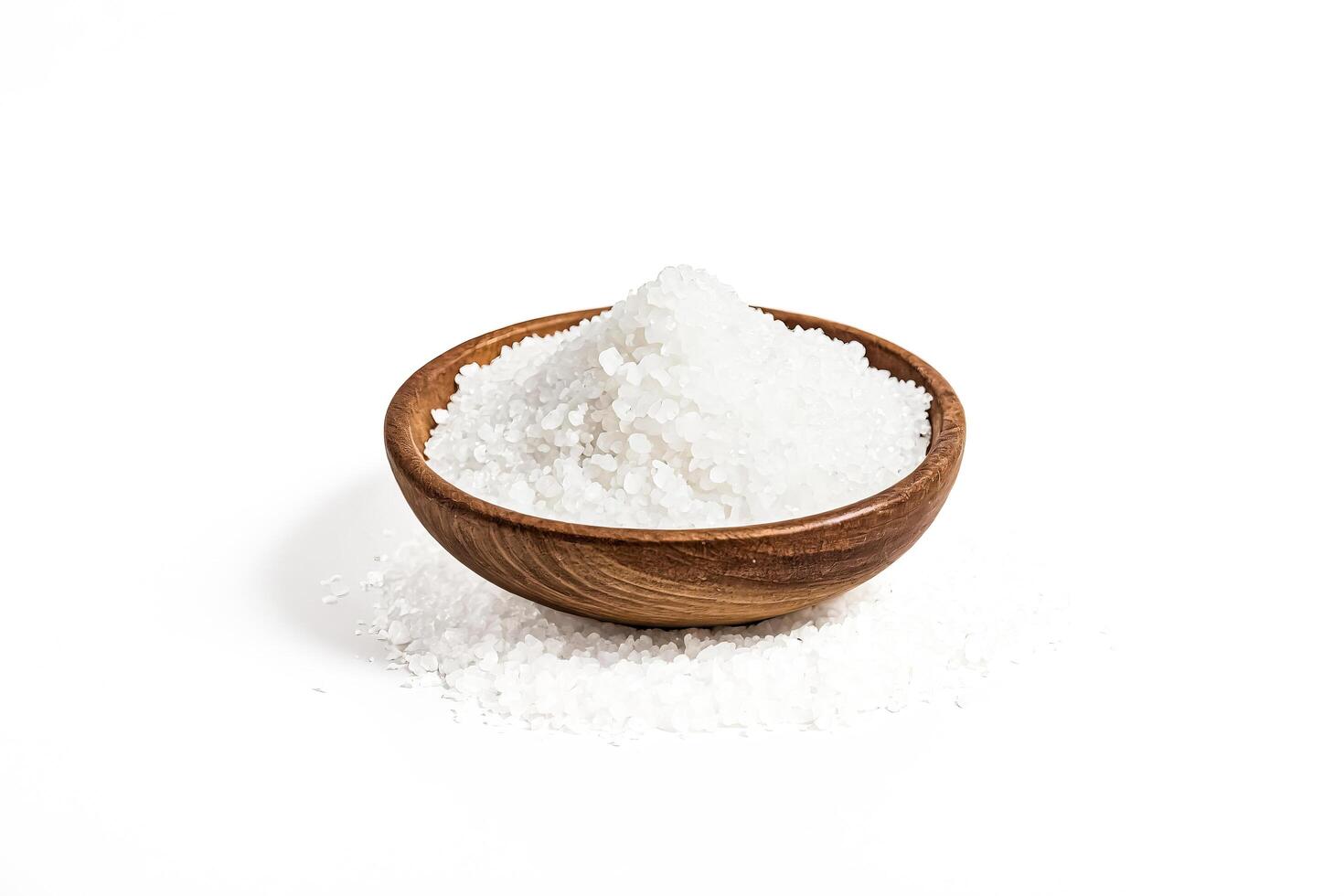
Yes, iodized salt is typically gluten-free. Pure salt, including iodized varieties, does not contain gluten unless it has been contaminated during processing or has added ingredients that contain gluten.
Quick Tips
1Prevents iodine deficiency disorders (IDD)
2Supports proper thyroid function
3Helps regulate metabolism
# In This Article
3 sectionsQuick navigation to each section of this article:
Benefits of Iodized Salt
| Benefits of Iodized Salt |
|---|
| Prevents iodine deficiency disorders (IDD) |
| Supports proper thyroid function |
| Helps regulate metabolism |
| Promotes healthy growth and development in children |
| Enhances cognitive function and brain development |
| Reduces the risk of goiter (enlarged thyroid gland) |
| Helps prevent hypothyroidism |
| Supports fetal development during pregnancy |
| May reduce the risk of certain birth defects |
| Aids in the production of thyroid hormones |
| Supports immune system function |
| May help regulate body temperature |
| Contributes to maintaining healthy skin, hair, and nails |
| Assists in proper nerve function |
| Supports reproductive health |
| May help prevent certain types of thyroid cancer |
| Contributes to overall endocrine system health |
| Helps maintain proper electrolyte balance in the bodyRemember that while iodized salt offers these benefits, it’s important to consume salt in moderation as part of a balanced diet. |
Who should avoid Iodized Salt
| Who should avoid Iodized Salt |
|---|
| People with hyperthyroidism or Graves’ disease |
| Individuals with a known iodine allergy or sensitivity |
| Those with certain thyroid disorders, such as Hashimoto’s thyroiditis |
| People who have had thyroid cancer and are undergoing radioactive iodine treatment |
| Individuals living in areas with high natural iodine content in food and water |
| Those taking certain medications that may interact with iodine (e.g., some heart medications) |
| People with kidney problems, as they may have difficulty processing excess iodine |
| Individuals who consume large amounts of seaweed or other iodine-rich foods regularly |
| Pregnant women with pre-existing thyroid conditions (should consult their doctor) |
| Those who have had adverse reactions to iodine-containing contrast dyes used in medical imaging |
| People with dermatitis herpetiformis, a skin condition associated with celiac disease |
| Individuals with a history of multinodular goiter with thyroid autonomyIt’s important to note that most people benefit from iodized salt, as iodine is essential for proper thyroid function. Always consult a healthcare professional for personalized advice regarding dietary restrictions. |
Related Gluten Free Products
Here are five similar gluten-free options like Iodized Salt, along with short descriptions:
| Related Gluten Free Products |
|---|
| Sea Salt: A natural salt obtained from evaporated seawater, containing trace minerals and offering a more complex flavor profile than table salt. |
| Himalayan Pink Salt: Mined from ancient sea salt deposits in Pakistan, this salt has a distinctive pink color due to trace minerals and is prized for its purported health benefits. |
| Kosher Salt: A coarse-grained salt with no additives, preferred by many chefs for its clean taste and ability to easily adhere to food surfaces. |
| Celtic Sea Salt: Harvested from coastal areas of France, this salt is gray in color and retains moisture, offering a briny flavor and trace minerals from the sea. |
| Fleur de Sel: A delicate, hand-harvested sea salt from France, known for its light, flaky texture and subtle flavor, often used as a finishing salt for various dishes.All of these salts are naturally gluten-free and can be used as alternatives to iodized salt in cooking and seasoning, each offering its own unique characteristics and flavor profiles. |
Health Information
? Frequently Asked Questions
4 questions1 Does iodized salt have gluten?
2 Is iodised table salt gluten free?
3 Does Morton salt contain gluten?
4 Can gluten free people have salt?
Our Expert
Drs. Ilse van Asperen
Orthomolecular Therapist, Nutritional Coach & Professional Editor
Drs. Ilse van Asperen is a medical doctor specialising in orthomolecular therapy and nutritional coaching. With a background in public and clinical health research and management, she focuses on addressing the root causes of health issues through diet, gut health, and stress reduction. As a professional editor for Little Helpers, she reviews all gluten-free content to ensure accuracy, safety, and scientific credibility. Read more on Drs. Ilse van Asperen's own website
Our Sources
The information on this page is based on reputable health and nutrition organisations, ensuring accuracy and reliability for anyone following a gluten-free diet. For further details, see the sources below.