Share
TL;DR
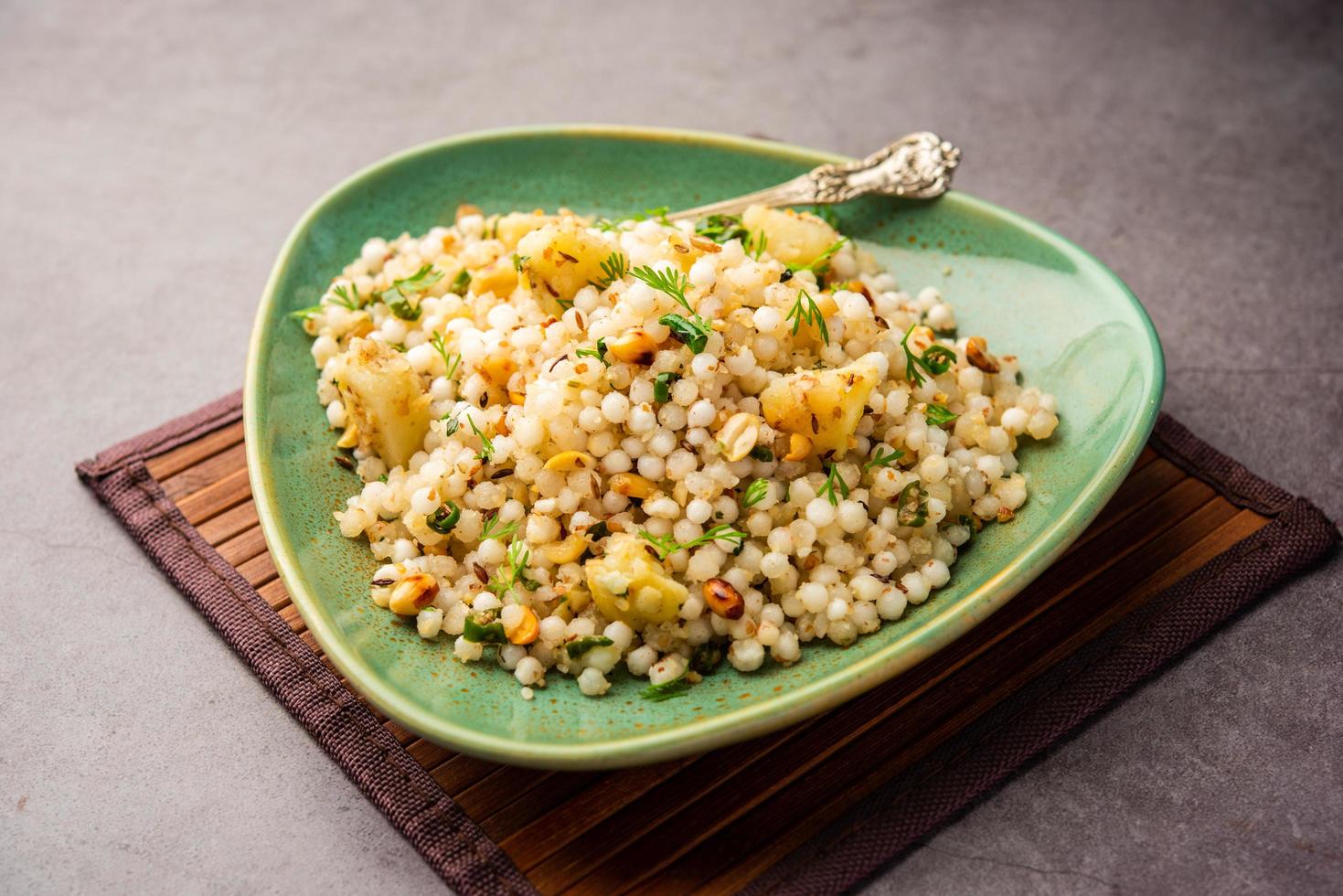
Israeli couscous, also known as pearl couscous, is not gluten-free. It is made from wheat flour, which contains gluten, so it should be avoided by those with celiac disease or gluten sensitivity.
Quick Tips
1Low in fat: It’s a low-fat food, making it suitable for those watching their fat intake.
2Good source of complex carbohydrates: Provides sustained energy and helps maintain stable blood sugar levels.
3Contains essential minerals: Offers small amounts of selenium, manganese, and magnesium.
# In This Article
3 sectionsQuick navigation to each section of this article:
1 Benefits of Israeli Couscous
Low in fat: It’s a low-fat food, making it suitable for those watching their fat intake.
Jump2 Who should avoid Israeli Couscous
People with celiac disease or gluten sensitivity: Israeli couscous is made from wheat and contains gluten, making it unsuitable for those with gluten-related disorders.
Jump3 Gluten Free Alternatives
Here are five gluten-free alternatives to Israeli Couscous, along with short descriptions:
JumpBenefits of Israeli Couscous
| Benefits of Israeli Couscous |
|---|
| Low in fat: It’s a low-fat food, making it suitable for those watching their fat intake. |
| Good source of complex carbohydrates: Provides sustained energy and helps maintain stable blood sugar levels. |
| Contains essential minerals: Offers small amounts of selenium, manganese, and magnesium. |
| Moderate protein content: Provides some protein, which is essential for muscle repair and growth. |
| Versatile for balanced meals: Can be easily combined with vegetables and lean proteins for nutritious dishes. |
| Low in calories: Relatively low in calories compared to some other grains, suitable for weight management. |
| Contains some fiber: Offers a small amount of dietary fiber, which aids digestion and promotes feelings of fullness. |
| Selenium content: May support thyroid function and act as an antioxidant. |
| Iron source: Contains some iron, which is important for blood health and oxygen transport. |
| Folate content: Provides folate, which is crucial for cell growth and DNA synthesis. |
| Gluten-free alternative: For those with gluten sensitivities, it can be a good substitute for wheat-based pasta (when made from corn or rice).Remember that while Israeli couscous has these benefits, it’s still primarily a carbohydrate source and should be consumed as part of a balanced diet. |
Who should avoid Israeli Couscous
| Who should avoid Israeli Couscous |
|---|
| People with celiac disease or gluten sensitivity: Israeli couscous is made from wheat and contains gluten, making it unsuitable for those with gluten-related disorders. |
| Individuals with wheat allergies: Since Israeli couscous is made from wheat, those with wheat allergies should avoid it. |
| People following a low-carb diet: Israeli couscous is high in carbohydrates and may not fit into low-carb dietary plans. |
| Those with diabetes or blood sugar concerns: The high carbohydrate content may affect blood sugar levels, so diabetics should consume it in moderation and under medical guidance. |
| Individuals on a grain-free diet: Israeli couscous is a grain product and should be avoided by those following grain-free diets. |
| People with specific digestive issues: Some individuals with sensitive digestive systems may find Israeli couscous difficult to digest. |
| Those following a paleo or primal diet: These diets typically exclude grains, including Israeli couscous. |
| Individuals with durum wheat sensitivity: Israeli couscous is often made from durum wheat, which may cause issues for some people.Always consult with a healthcare professional or registered dietitian if you have concerns about including Israeli couscous in your diet. |
Gluten Free Alternatives
Here are five gluten-free alternatives to Israeli Couscous, along with short descriptions:
| Gluten Free Alternatives |
|---|
| Quinoa: A nutrient-rich, high-protein seed that cooks quickly and has a slightly nutty flavor. It has a similar texture to couscous when cooked and can be used in both hot and cold dishes. |
| Cauliflower Rice: A low-carb alternative made by grating or processing cauliflower into small, rice-like pieces. It can be eaten raw or lightly cooked and provides a neutral base for various flavors. |
| Buckwheat Groats: Despite the name, buckwheat is not related to wheat and is gluten-free. These small, triangular seeds have a nutty flavor and can be cooked to a texture similar to Israeli couscous. |
| Millet: A small, round grain with a mild, slightly sweet flavor. When cooked, it has a fluffy texture similar to couscous and can absorb flavors well, making it versatile for many dishes. |
| Sorghum: A round, pearl-like grain that closely resembles Israeli couscous in appearance and texture when cooked. It has a mild, slightly sweet taste and holds its shape well in cooking. |
Health Information
? Frequently Asked Questions
4 questions1 Is couscous ok for celiacs?
2 Is there a gluten-free alternative to couscous?
3 Is Trader Joe's Israeli couscous gluten-free?
4 What's the difference between couscous and Israeli couscous?
Our Expert
Drs. Ilse van Asperen
Orthomolecular Therapist, Nutritional Coach & Professional Editor
Drs. Ilse van Asperen is a medical doctor specialising in orthomolecular therapy and nutritional coaching. With a background in public and clinical health research and management, she focuses on addressing the root causes of health issues through diet, gut health, and stress reduction. As a professional editor for Little Helpers, she reviews all gluten-free content to ensure accuracy, safety, and scientific credibility. Read more on Drs. Ilse van Asperen's own website
Our Sources
The information on this page is based on reputable health and nutrition organisations, ensuring accuracy and reliability for anyone following a gluten-free diet. For further details, see the sources below.