Share
TL;DR
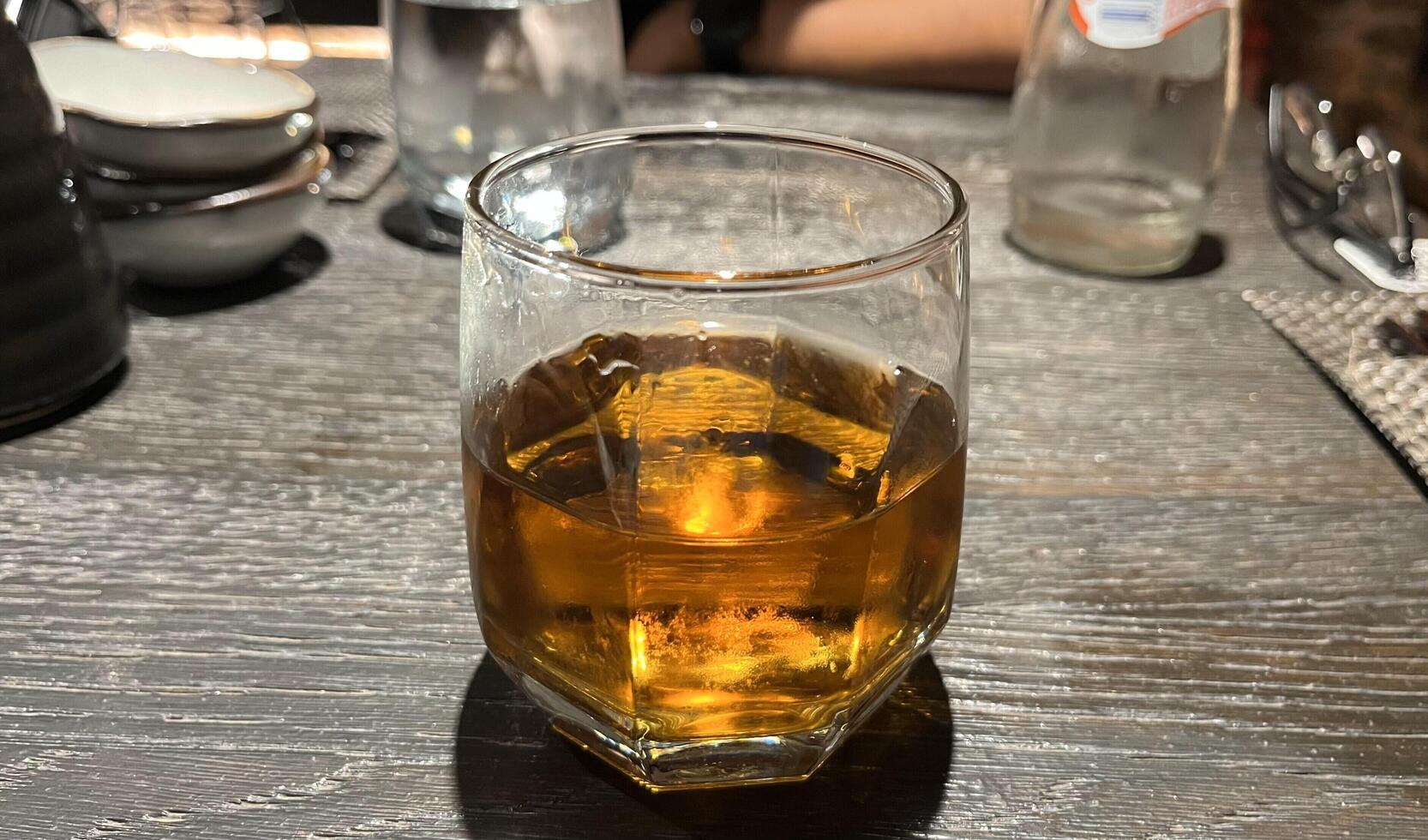
Most Japanese beers are not gluten-free as they are typically brewed with barley, which contains gluten. However, there are a few Japanese breweries that produce gluten-free beers using alternative grains like rice or millet, but these are relatively rare and not widely available.
Quick Tips
1Antioxidant properties: Some Japanese beers, particularly those made with barley, contain antioxidants that may help protect cells from damage.
2Lower risk of cardiovascular disease: Moderate beer consumption has been linked to a reduced risk of heart disease in some studies.
3Improved bone density: Beer contains silicon, which may help improve bone density and reduce the risk of osteoporosis.
# In This Article
3 sectionsQuick navigation to each section of this article:
1 Benefits of Japanese Beer
Antioxidant properties: Some Japanese beers, particularly those made with barley, contain antioxidants that may help protect cells from damage.
Jump2 Who should avoid Japanese Beer
Individuals with alcohol allergies or intolerances
Jump3 Gluten Free Alternatives
Here are five gluten-free alternatives to Japanese beer, along with short descriptions:
JumpBenefits of Japanese Beer
| Benefits of Japanese Beer |
|---|
| Antioxidant properties: Some Japanese beers, particularly those made with barley, contain antioxidants that may help protect cells from damage. |
| Lower risk of cardiovascular disease: Moderate beer consumption has been linked to a reduced risk of heart disease in some studies. |
| Improved bone density: Beer contains silicon, which may help improve bone density and reduce the risk of osteoporosis. |
| Reduced risk of kidney stones: The high water content and diuretic effect of beer may help flush out kidneys and reduce the risk of kidney stones. |
| Potential anti-inflammatory effects: Some compounds in beer may have anti-inflammatory properties. |
| Stress relief: Moderate consumption may help reduce stress and anxiety levels. |
| Improved cognitive function: Some studies suggest that light to moderate beer consumption may be associated with better cognitive function in older adults. |
| Reduced risk of type 2 diabetes: Moderate alcohol consumption has been linked to a lower risk of developing type 2 diabetes in some studies. |
| Potential prebiotic effects: Beer contains compounds that may promote the growth of beneficial gut bacteria.Remember, these potential benefits are associated with moderate consumption only. Excessive drinking can lead to serious health problems and negate any potential benefits. Always consult with a healthcare professional for personalized advice on alcohol consumption. |
Who should avoid Japanese Beer
| Who should avoid Japanese Beer |
|---|
| Individuals with alcohol allergies or intolerances |
| Those with a history of alcohol abuse or addiction |
| Pregnant women or those trying to conceive |
| Individuals taking medications that interact negatively with alcohol |
| People with certain medical conditions, such as liver disease or pancreatitis |
| Those who are operating vehicles or heavy machinery |
| Individuals under the legal drinking age (which varies by country) |
| People with religious or personal beliefs that prohibit alcohol consumption |
| Those on strict calorie-controlled diets (as beer contains calories) |
| Individuals with gluten sensitivities or celiac disease (unless consuming gluten-free options) |
| People with compromised immune systems, as advised by their healthcare provider |
| Those who are designated drivers or responsible for the safety of others |
| Individuals preparing for medical procedures or tests that require abstaining from alcoholRemember, it’s always best to consult with a healthcare professional for personalized advice regarding alcohol consumption. |
Gluten Free Alternatives
Here are five gluten-free alternatives to Japanese beer, along with short descriptions:
| Gluten Free Alternatives |
|---|
| Sake: A traditional Japanese rice wine made by fermenting polished rice. It has a unique flavor profile ranging from dry to sweet and can be served hot or cold. |
| Shochu: A Japanese distilled spirit typically made from barley, sweet potatoes, rice, or other ingredients. Shochu made from non-barley ingredients is gluten-free and has a clean, smooth taste. |
| Umeshu: A Japanese liqueur made by steeping ume fruits (often called Japanese plums) in alcohol and sugar. It has a sweet and sour taste with a fruity aroma. |
| Japanese Craft Cider: Made from fermented apples or other fruits, these ciders offer a refreshing, gluten-free alternative to beer. Some Japanese craft cideries are producing unique flavors using local ingredients. |
| Non-Alcoholic Green Tea: While not an alcoholic beverage, cold green tea is a popular and refreshing drink in Japan. It's naturally gluten-free and offers health benefits due to its antioxidant content. |
Health Information
? Frequently Asked Questions
4 questions1 Does Japan have gluten free beer?
2 Is Sapporo beer gluten free?
3 Is Kirin beer gluten free?
4 Is Asahi beer gluten free?
Our Expert
Drs. Ilse van Asperen
Orthomolecular Therapist, Nutritional Coach & Professional Editor
Drs. Ilse van Asperen is a medical doctor specialising in orthomolecular therapy and nutritional coaching. With a background in public and clinical health research and management, she focuses on addressing the root causes of health issues through diet, gut health, and stress reduction. As a professional editor for Little Helpers, she reviews all gluten-free content to ensure accuracy, safety, and scientific credibility. Read more on Drs. Ilse van Asperen's own website
Our Sources
The information on this page is based on reputable health and nutrition organisations, ensuring accuracy and reliability for anyone following a gluten-free diet. For further details, see the sources below.