Share
TL;DR
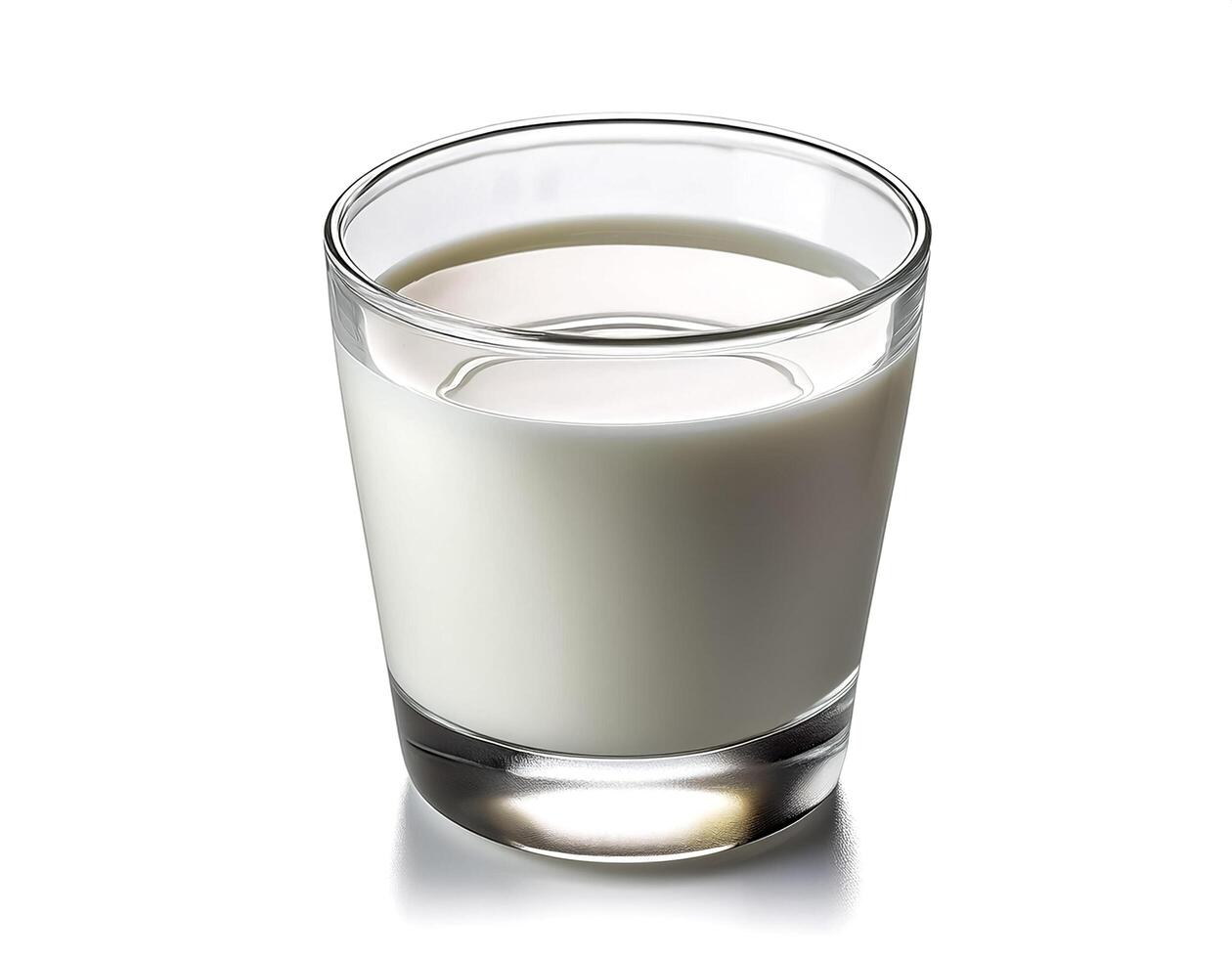
Yes, lactose milk (regular dairy milk) is naturally gluten-free. Gluten is a protein found in wheat, barley, and rye, while milk contains lactose, a sugar, and does not contain gluten unless it has been added through flavoring or other additives.
Quick Tips
1Good source of calcium for strong bones and teeth
2Contains high-quality protein
3Provides essential vitamins like vitamin D, B12, and riboflavin
# In This Article
3 sectionsQuick navigation to each section of this article:
Benefits of Lactose Milk
| Benefits of Lactose Milk |
|---|
| Good source of calcium for strong bones and teeth |
| Contains high-quality protein |
| Provides essential vitamins like vitamin D, B12, and riboflavin |
| Contains minerals such as potassium and phosphorus |
| Helps maintain hydration |
| May support weight management |
| Contains iodine, which is important for thyroid functionHealth benefits of lactose-free milk: |
| Suitable for people with lactose intolerance |
| Contains the same nutrients as regular milk (calcium, protein, vitamins, and minerals) |
| May cause less digestive discomfort for those sensitive to lactose |
| Often fortified with vitamin D |
| Can be part of a balanced diet for those avoiding lactose |
| Allows lactose-intolerant individuals to enjoy milk-based productsIf you meant to ask about a different type of milk or have any other questions, please feel free to clarify, and I’ll be happy to provide more accurate information. |
Who should avoid Lactose Milk
| Who should avoid Lactose Milk |
|---|
| Those with lactose intolerance |
| Individuals with milk allergies |
| People with galactosemia (a rare genetic disorder) |
| Some individuals with irritable bowel syndrome (IBS) |
| Those following a strict vegan diet |
| People with certain types of dairy sensitivities |
| Individuals on specific medication regimens that interact with dairy |
| Some people with inflammatory bowel diseases like Crohn’s disease or ulcerative colitis |
| Those following a low-FODMAP diet |
| Individuals with certain autoimmune conditions who have been advised to avoid dairy |
| People with severe cases of gastroesophageal reflux disease (GERD) |
| Some individuals undergoing chemotherapy or radiation therapy |
| Those with certain metabolic disordersRemember, it’s always best to consult with a healthcare professional or registered dietitian for personalized advice regarding dietary restrictions. |
Related Gluten Free products
Here are five similar gluten-free options like lactose-free milk, along with short descriptions:
| Related Gluten Free products |
|---|
| Almond milk: A plant-based milk alternative made from ground almonds and water. It's naturally lactose-free, low in calories, and rich in vitamin E. |
| Soy milk: A dairy-free milk substitute produced from soybeans. It's high in protein, contains essential amino acids, and is often fortified with calcium and vitamins. |
| Coconut milk: A creamy, tropical-flavored milk alternative extracted from coconut meat. It's rich in medium-chain triglycerides (MCTs) and has a distinct flavor profile. |
| Oat milk: A plant-based milk made from whole oats and water. It's naturally sweet, has a creamy texture, and contains beta-glucans, which may help lower cholesterol. |
| Rice milk: A hypoallergenic milk alternative made from milled rice and water. It's the least likely to trigger allergies among plant-based milks and has a naturally sweet taste.All of these options are gluten-free and suitable for those with lactose intolerance or dairy allergies, providing various nutritional benefits and flavor profiles to suit different preferences. |
Health Information
? Frequently Asked Questions
4 questions1 Does lactose-free milk have gluten in it?
2 Which milks are gluten-free?
3 What dairy products are not gluten-free?
4 Can you be lactose and gluten intolerant?
Our Expert
Drs. Ilse van Asperen
Orthomolecular Therapist, Nutritional Coach & Professional Editor
Drs. Ilse van Asperen is a medical doctor specialising in orthomolecular therapy and nutritional coaching. With a background in public and clinical health research and management, she focuses on addressing the root causes of health issues through diet, gut health, and stress reduction. As a professional editor for Little Helpers, she reviews all gluten-free content to ensure accuracy, safety, and scientific credibility. Read more on Drs. Ilse van Asperen's own website
Our Sources
The information on this page is based on reputable health and nutrition organisations, ensuring accuracy and reliability for anyone following a gluten-free diet. For further details, see the sources below.