Share
TL;DR
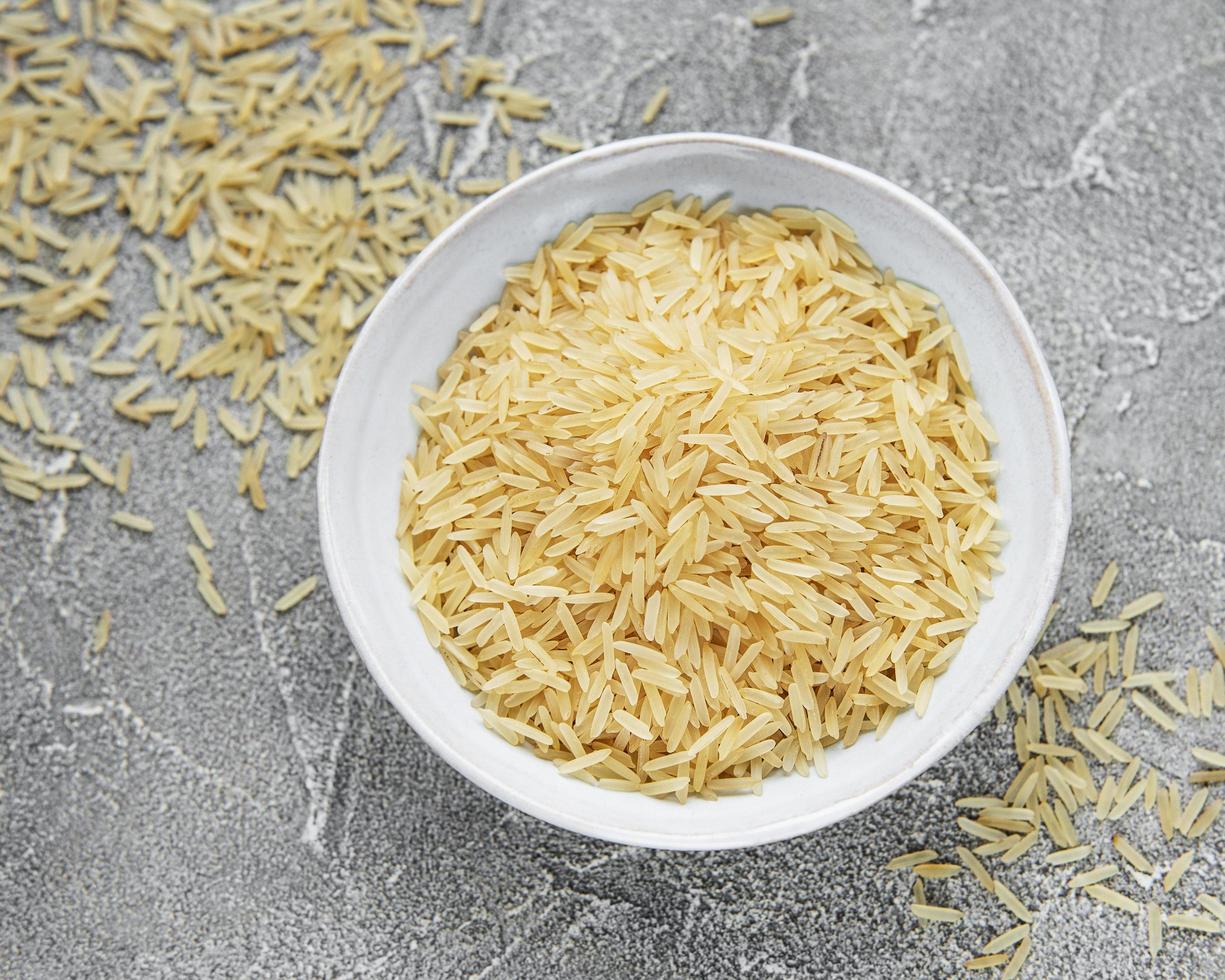
Yes, long grain brown rice is naturally gluten-free. It does not contain any gluten proteins, making it safe for people with celiac disease or gluten sensitivity to consume.
Quick Tips
1High in fiber: Aids digestion and promotes feelings of fullness
2Rich in manganese: Supports bone health and wound healing
3Good source of selenium: Acts as an antioxidant and supports thyroid function
# In This Article
3 sectionsQuick navigation to each section of this article:
1 Benefits of Long Grain Brown Rice
High in fiber: Aids digestion and promotes feelings of fullness
Jump2 Who should avoid Long Grain Brown Rice
People with celiac disease or gluten sensitivity: Although rice is naturally gluten-free, cross-contamination during processing can occur, so it’s important to choose certified gluten-free options.
Jump3 Related Gluten Free Products
Here are five similar gluten-free options to Long Grain Brown Rice, along with short descriptions:
JumpBenefits of Long Grain Brown Rice
| Benefits of Long Grain Brown Rice |
|---|
| High in fiber: Aids digestion and promotes feelings of fullness |
| Rich in manganese: Supports bone health and wound healing |
| Good source of selenium: Acts as an antioxidant and supports thyroid function |
| Contains magnesium: Important for heart health and muscle function |
| Provides B vitamins: Essential for energy metabolism and nervous system function |
| Low glycemic index: Helps regulate blood sugar levels |
| Whole grain: Retains more nutrients compared to refined white rice |
| Contains antioxidants: May help protect against chronic diseases |
| Gluten-free: Suitable for people with celiac disease or gluten sensitivity |
| Supports weight management: Due to its fiber content and ability to promote satiety |
| May reduce risk of type 2 diabetes: Thanks to its high fiber content and low glycemic index |
| Provides complex carbohydrates: Offers sustained energy release |
| Contains essential amino acids: Contributes to protein intake, especially important for vegetarians and vegans |
| Naturally low in sodium: Beneficial for maintaining healthy blood pressure |
| May help lower cholesterol: Due to its fiber content and other beneficial compoundsRemember that these benefits are most pronounced when brown rice is consumed as part of a balanced, varied diet. |
Who should avoid Long Grain Brown Rice
| Who should avoid Long Grain Brown Rice |
|---|
| People with celiac disease or gluten sensitivity: Although rice is naturally gluten-free, cross-contamination during processing can occur, so it’s important to choose certified gluten-free options. |
| Individuals with digestive disorders: Some people with irritable bowel syndrome (IBS) or inflammatory bowel diseases may find that brown rice exacerbates their symptoms due to its high fiber content. |
| Those on a low-fiber diet: For medical reasons, some individuals may need to limit fiber intake, making brown rice less suitable than white rice. |
| People with certain autoimmune conditions: Some individuals with autoimmune disorders may be sensitive to the phytates and lectins in brown rice. |
| Those with diabetes who need to closely monitor carbohydrate intake: While brown rice has a lower glycemic index than white rice, it still contains carbohydrates that can affect blood sugar levels. |
| Individuals with kidney problems: Brown rice is higher in phosphorus and potassium than white rice, which may be problematic for those with kidney issues. |
| People on a low FODMAP diet: Brown rice contains more FODMAPs than white rice, which may cause issues for some individuals with IBS or other digestive sensitivities. |
| Those with arsenic concerns: Brown rice tends to have higher levels of arsenic than white rice, so people in areas with high arsenic levels in water or soil may need to limit consumption. |
| Individuals recovering from certain surgeries: In some cases, a low-fiber diet may be recommended post-surgery, making brown rice less suitable than white rice.Always consult with a healthcare professional or registered dietitian for personalized dietary advice based on individual health conditions and needs. |
Related Gluten Free Products
Here are five similar gluten-free options to Long Grain Brown Rice, along with short descriptions:
| Related Gluten Free Products |
|---|
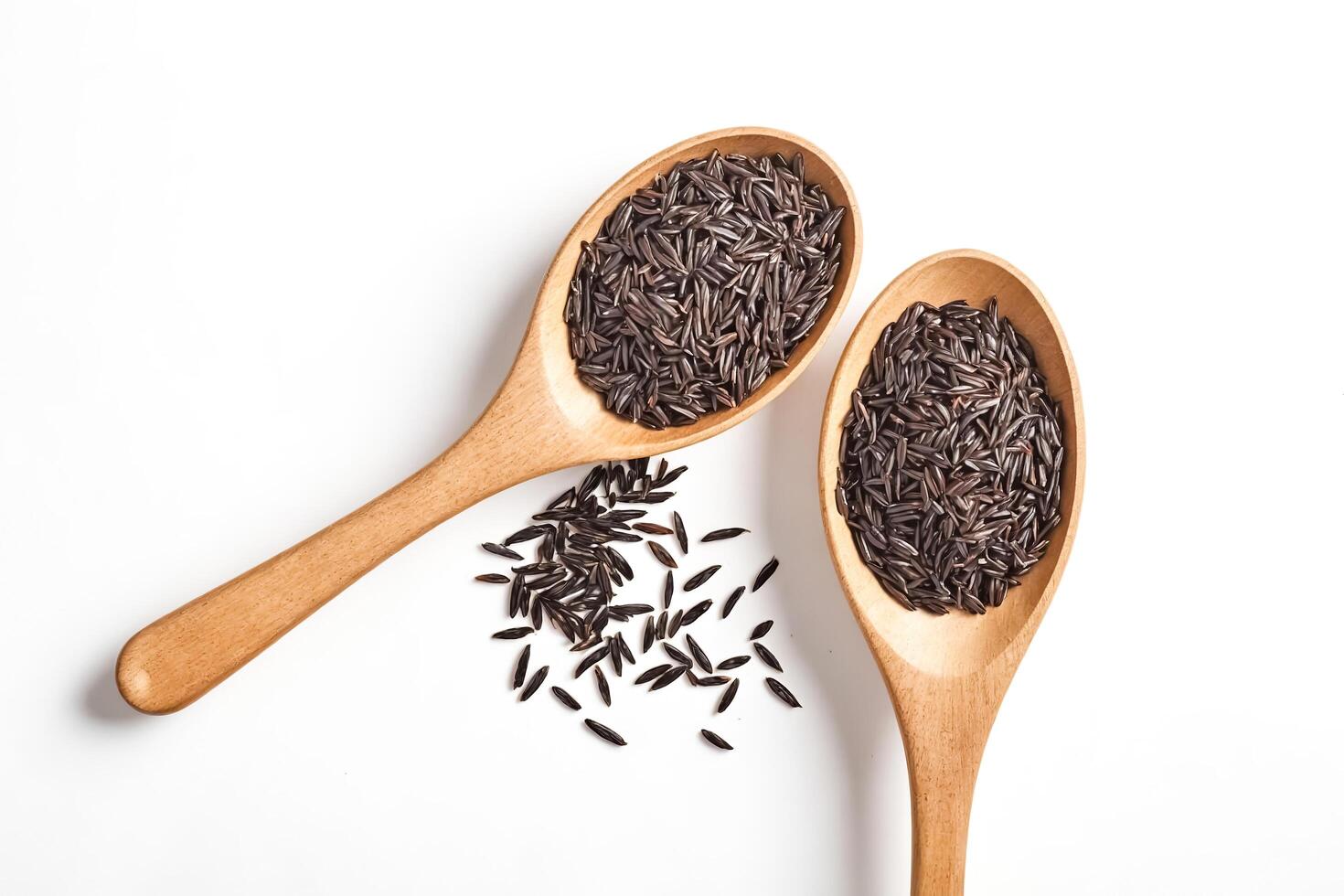
| Wild Rice: Not actually rice, but a seed from an aquatic grass. It has a chewy texture and nutty flavor, and is rich in antioxidants and minerals. |
| Buckwheat: Despite its name, it's not related to wheat and is gluten-free. It has a strong, earthy flavor and can be used in various forms, from groats to flour. |
| Amaranth: A tiny seed with a slightly peppery taste. It's high in protein and minerals, and can be cooked like a grain or popped like popcorn. |
| Millet: A small, round grain with a mild, slightly sweet flavor. It's rich in minerals and can be prepared fluffy like rice or creamy like porridge. |
Health Information
? Frequently Asked Questions
4 questions1 What rice is not gluten-free?
2 Why is brown rice gluten free?
3 Is all long grain rice gluten-free?
4 What is the best gluten-free rice?
Our Expert
Drs. Ilse van Asperen
Orthomolecular Therapist, Nutritional Coach & Professional Editor
Drs. Ilse van Asperen is a medical doctor specialising in orthomolecular therapy and nutritional coaching. With a background in public and clinical health research and management, she focuses on addressing the root causes of health issues through diet, gut health, and stress reduction. As a professional editor for Little Helpers, she reviews all gluten-free content to ensure accuracy, safety, and scientific credibility. Read more on Drs. Ilse van Asperen's own website
Our Sources
The information on this page is based on reputable health and nutrition organisations, ensuring accuracy and reliability for anyone following a gluten-free diet. For further details, see the sources below.