Is Mac And Cheese Gluten Free?

Is Mac And Cheese Gluten Free?

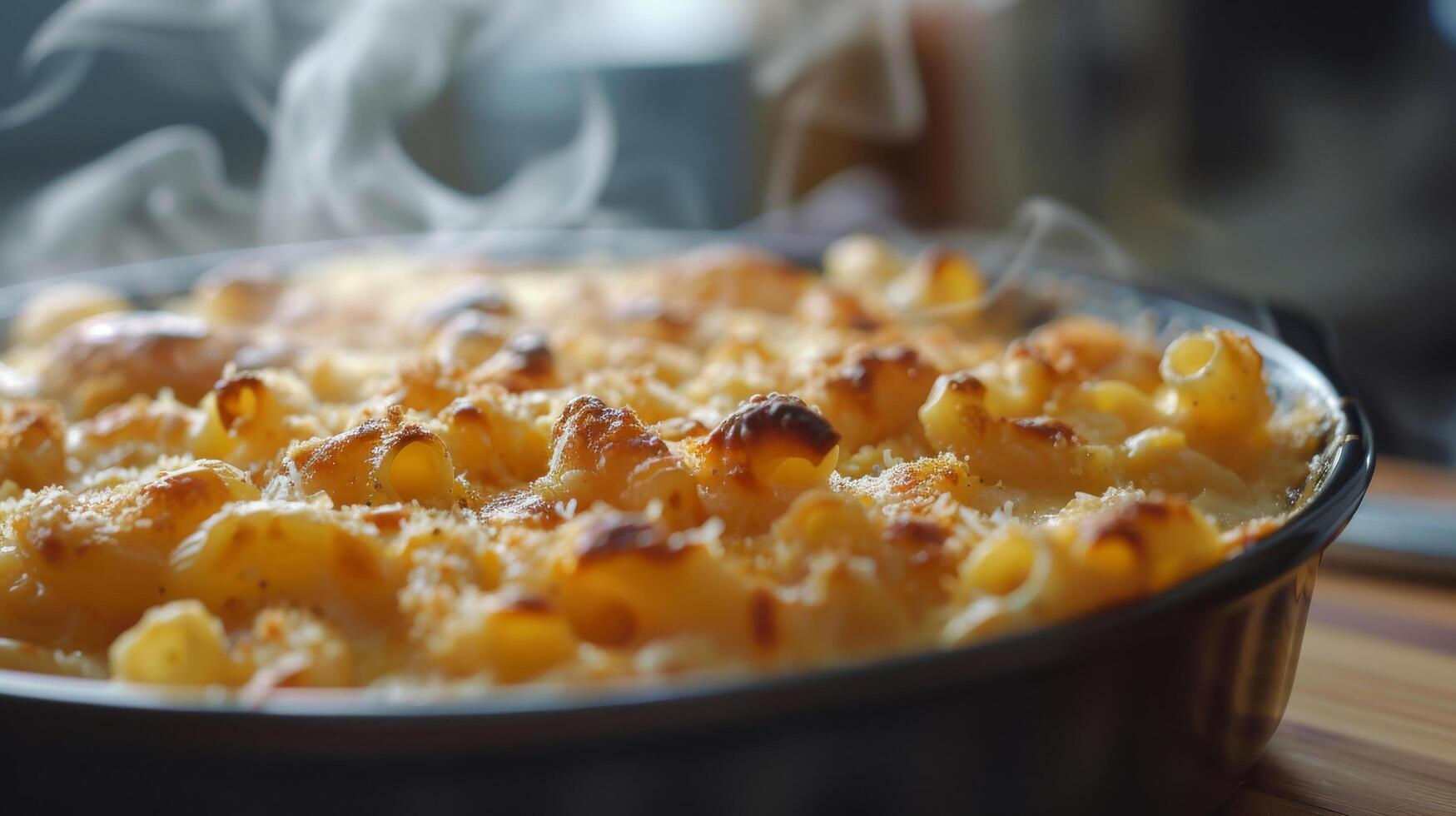
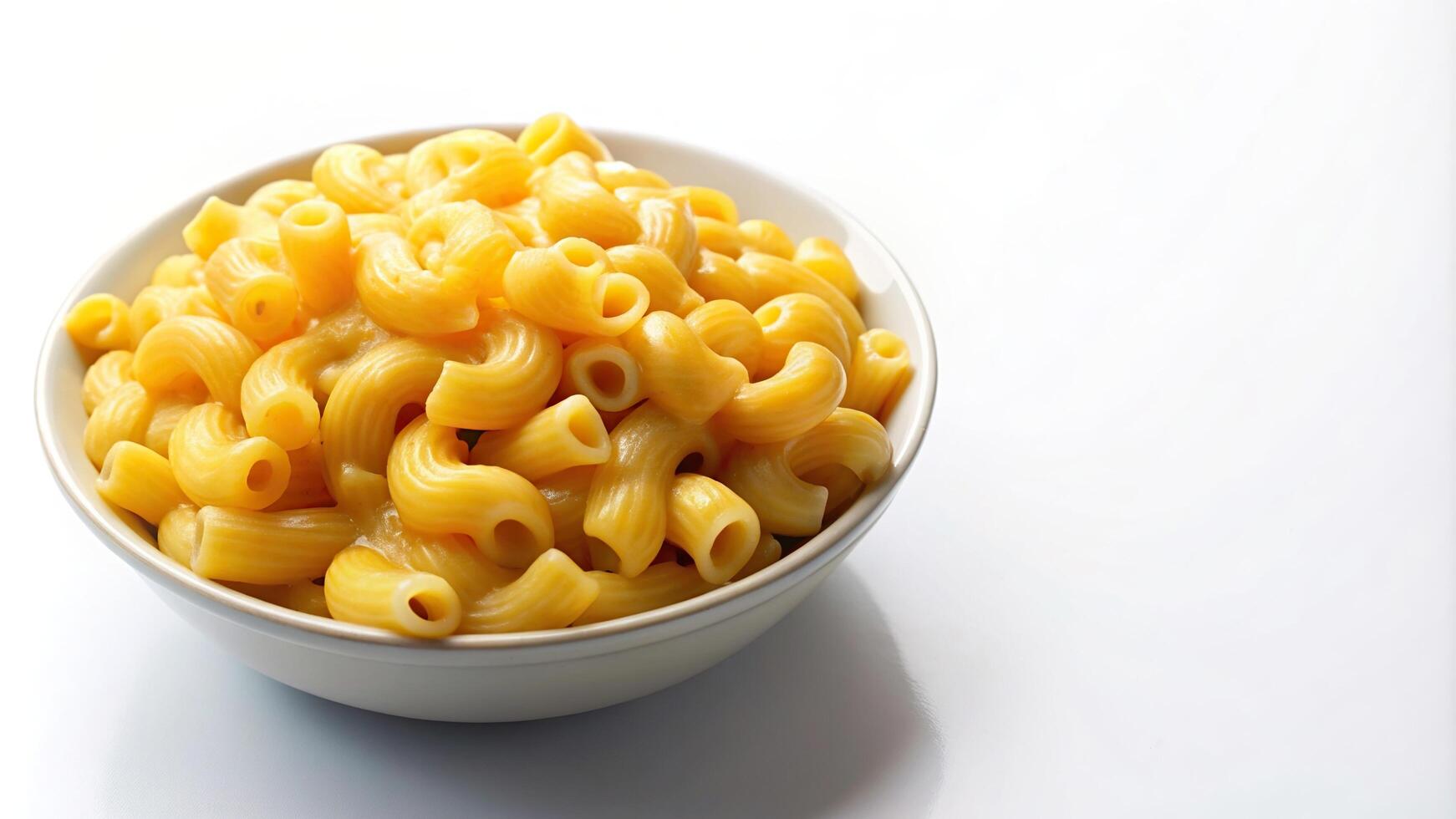
Traditional mac and cheese is not gluten-free, as it typically contains wheat-based pasta and may use flour in the cheese sauce. However, gluten-free versions of mac and cheese can be made using gluten-free pasta alternatives (such as rice or corn pasta) and ensuring all other ingredients are gluten-free.

TL;DR

Traditional mac and cheese is not gluten-free, as it typically contains wheat-based pasta and may use flour in the cheese sauce. However, gluten-free versions of mac and cheese can be made using gluten-free pasta alternatives (such as rice or corn pasta) and ensuring all other ingredients are gluten-free.

Quick Tips

1

Source of calcium: Cheese is rich in calcium, which is essential for strong bones and teeth.

2

Provides protein: Both cheese and pasta contain protein, which is important for muscle growth and repair.

3

Carbohydrate energy: The pasta provides carbohydrates, which are a primary source of energy for the body.

# In This Article

3 sections

Quick navigation to each section of this article:

1 Benefits of Mac And Cheese

Source of calcium: Cheese is rich in calcium, which is essential for strong bones and teeth.

Jump
2 Who should avoid Mac And Cheese

Those with lactose intolerance or dairy allergies

Jump
3 Gluten Free Alternatives

Here are five gluten-free alternatives to Mac and Cheese, along with short descriptions:

Jump

Benefits of Mac And Cheese

Benefits of Mac And Cheese
Source of calcium: Cheese is rich in calcium, which is essential for strong bones and teeth.
Provides protein: Both cheese and pasta contain protein, which is important for muscle growth and repair.
Carbohydrate energy: The pasta provides carbohydrates, which are a primary source of energy for the body.
B vitamins: Cheese contains various B vitamins, including B12, which is important for nerve function and red blood cell formation.
Selenium content: Cheese is a good source of selenium, an antioxidant that supports thyroid function and immune health.
Phosphorus: Cheese provides phosphorus, which works with calcium to build strong bones and teeth.
Potential probiotic benefits: Some cheeses contain probiotics, which can support gut health.
Vitamin A: Cheese is a source of vitamin A, which is important for eye health and immune function.
Comforting effect: While not a physical health benefit, the comfort factor can contribute to mental well-being.It’s important to note that mac and cheese is often high in calories, saturated fat, and sodium, so it should be consumed in moderation as part of a balanced diet.

Who should avoid Mac And Cheese

Who should avoid Mac And Cheese
Those with lactose intolerance or dairy allergies
Individuals following a vegan or plant-based diet
People with celiac disease or gluten sensitivity (unless it’s gluten-free)
Those on a low-carb or ketogenic diet
Individuals trying to reduce their calorie intake for weight loss
People with high cholesterol levels (due to the high saturated fat content)
Those with sodium-restricted diets (as many mac and cheese recipes are high in sodium)
Individuals with certain gastrointestinal conditions that are aggravated by high-fat foods
People with diabetes who need to carefully monitor their carbohydrate intake
Those following a whole food or clean eating diet plan
Individuals with a casein allergy (a protein found in milk)
People adhering to specific religious dietary restrictions that prohibit certain ingredientsRemember that some of these restrictions can be addressed by using alternative ingredients or making homemade versions with healthier modifications.
ENJOY YOUR FAVORITE FOODS FEARLESSLY!
Don’t let gluten hold you back. Take Anti-Gluten Pills before your meal and enjoy peace of mind.
SHOP ANTI-GLUTEN PILLS
Clinically proven · Up to 86% gluten reduction · Fast acting

Gluten Free Alternatives

Here are five gluten-free alternatives to Mac and Cheese, along with short descriptions:

Gluten Free Alternatives
Quinoa Mac and Cheese:This alternative uses protein-rich quinoa as a base. The quinoa is cooked and then mixed with a cheese sauce, creating a nutritious and gluten-free version of the classic dish.
Zucchini Noodle (Zoodle) Mac and Cheese:Spiralized zucchini replaces pasta in this fresh, veggie-based alternative. The zucchini noodles are lightly cooked and then tossed with a cheese sauce, offering a lighter, lower-carb option.
Chickpea Pasta Mac and Cheese:Made from chickpea flour, this gluten-free pasta alternative is high in protein and fiber. It can be prepared similarly to traditional mac and cheese, providing a familiar texture with added nutritional benefits.
Spaghetti Squash Mac and Cheese:This option uses roasted spaghetti squash as a base. Once cooked, the squash forms spaghetti-like strands that can be mixed with cheese sauce, creating a low-carb, gluten-free alternative with a unique texture.

Health Information

? Frequently Asked Questions

4 questions
1 Does mac and cheese have gluten in it?
Traditional mac and cheese typically contains gluten. The pasta used in mac and cheese is usually made from wheat flour, which contains gluten. Additionally, some cheese sauces may include flour as a thickening agent, adding more gluten to the dish. However, gluten-free versions of mac and cheese are available, using alternative pasta made from rice, corn, or other gluten-free grains.
2 Are cheeses gluten-free?
Most cheeses are naturally gluten-free. They are typically made from milk, enzymes, and bacteria or mold cultures, which do not contain gluten. However, some processed cheeses or cheese products may have added ingredients that contain gluten. It's always best to check labels carefully if you have celiac disease or gluten sensitivity.
3 Does Velveeta mac and cheese have gluten?
Velveeta mac and cheese typically contains gluten. The pasta used in most Velveeta mac and cheese products is made from wheat, which contains gluten. Additionally, some of the flavorings and thickeners used may also contain gluten-based ingredients. If you have celiac disease or gluten sensitivity, it's best to avoid regular Velveeta mac and cheese and look for gluten-free alternatives instead.
4 Does Kraft have gluten?
Some Kraft products contain gluten, while others are gluten-free. Kraft does not have a blanket gluten-free policy for all their products. It's important to check the label of each specific Kraft product for gluten content. If you have celiac disease or gluten sensitivity, always verify the ingredients and look for a gluten-free label.
LIVE GLUTEN-FREE WITHOUT THE FUSS!
Introducing Tolerase® G, clinically proven to reduce up to 86% of gluten in under 10 minutes. Experience the freedom to eat what you love.
SHOP ANTI-GLUTEN PILLS
150mg pure Tolerase® G · Reduces gluten by 86% · Under 10 minutes

Our Expert

Drs. Ilse van Asperen, Orthomolecular Therapist and Nutritional Coach

Drs. Ilse van Asperen

Orthomolecular Therapist, Nutritional Coach & Professional Editor

Drs. Ilse van Asperen is a medical doctor specialising in orthomolecular therapy and nutritional coaching. With a background in public and clinical health research and management, she focuses on addressing the root causes of health issues through diet, gut health, and stress reduction. As a professional editor for Little Helpers, she reviews all gluten-free content to ensure accuracy, safety, and scientific credibility. Read more on Drs. Ilse van Asperen's own website

Our Sources

The information on this page is based on reputable health and nutrition organisations, ensuring accuracy and reliability for anyone following a gluten-free diet. For further details, see the sources below.
Sources

Similar Articles

Back to blog