Share
TL;DR
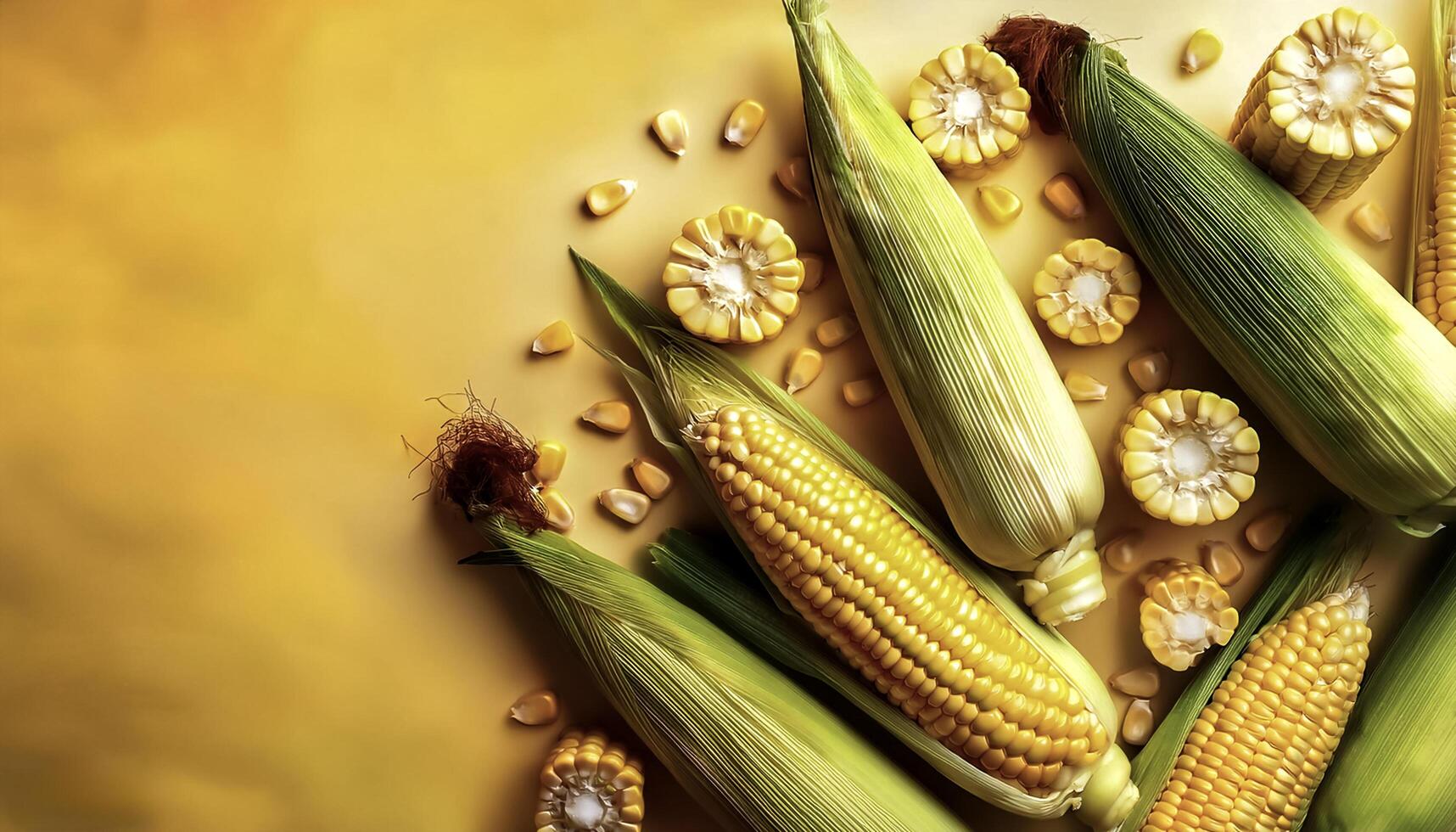
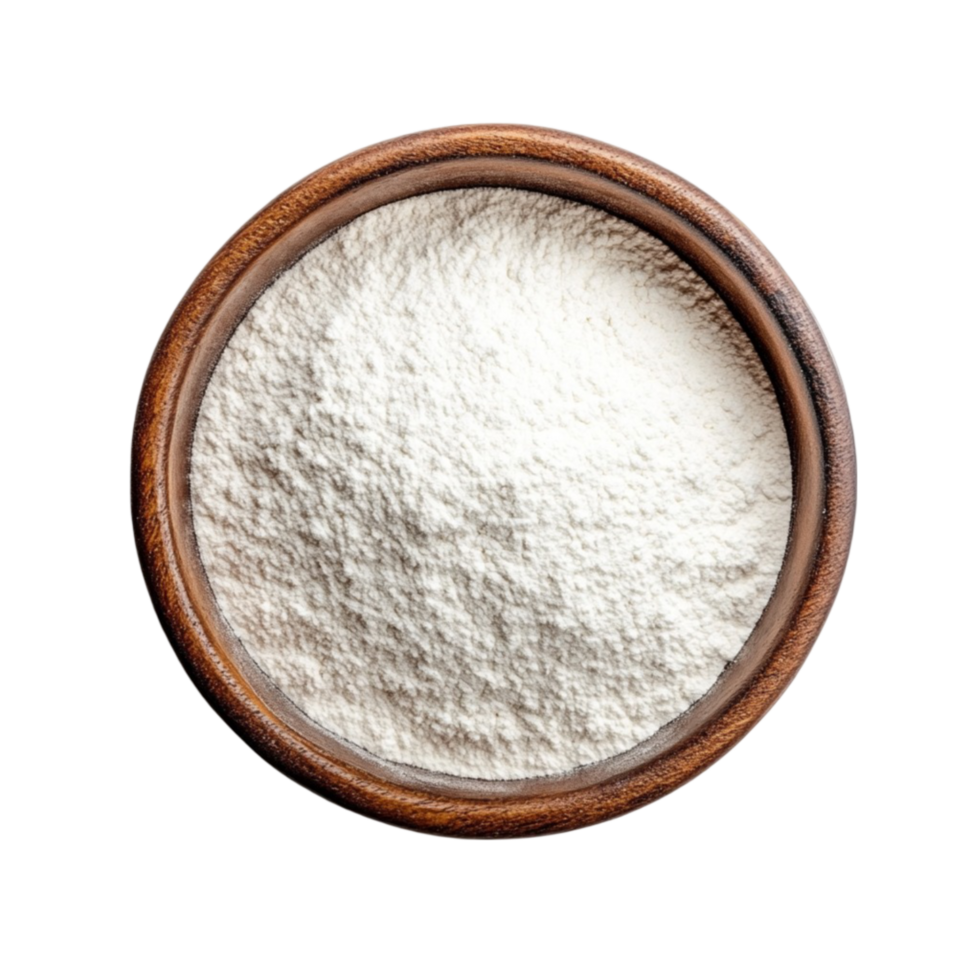
Maltodextrin is generally considered gluten-free, as it is typically derived from corn, potato, or rice starch. However, in rare cases, it can be made from wheat starch which can lead to presence very rare traces of gluten in the final product. So individuals with celiac disease or severe gluten sensitivity should check product labels or contact manufacturers to confirm the source if they have concerns.
Quick Tips
1Quick energy source: Maltodextrin is rapidly absorbed and provides a quick boost of energy, making it popular among athletes.
2Easy to digest: It’s easily digestible and less likely to cause gastrointestinal distress compared to some other carbohydrates. Note: Some individuals with sensitivities to FODMAPs or certain digestive conditions may face diestive issues with maltodextrin.
3Improved endurance: It can help maintain blood glucose levels during prolonged exercise, potentially improving endurance.
# In This Article
3 sectionsQuick navigation to each section of this article:
1 Benefits of Maltodextrin
Quick energy source: Maltodextrin is rapidly absorbed and provides a quick boost of energy, making it popular among athletes.
Jump2 Who should avoid Maltodextrin
People with diabetes or prediabetes, as maltodextrin can cause rapid spikes in blood sugar levels
Jump3 Related Gluten Free Products
Here are five similar gluten-free options to Maltodextrin:
JumpBenefits of Maltodextrin
| Benefits of Maltodextrin |
|---|
| Quick energy source: Maltodextrin is rapidly absorbed and provides a quick boost of energy, making it popular among athletes. |
| Easy to digest: It’s easily digestible and less likely to cause gastrointestinal distress compared to some other carbohydrates. Note: Some individuals with sensitivities to FODMAPs or certain digestive conditions may face diestive issues with maltodextrin. |
| Improved endurance: It can help maintain blood glucose levels during prolonged exercise, potentially improving endurance. |
| Calorie content: It can be used to add calories to foods and supplements for those trying to gain weight or maintain calorie intake. |
| Gluten-free: Maltodextrin is typically gluten-free, making it suitable for people with gluten sensitivities or celiac disease.Remember that while maltodextrin has these benefits, it should be consumed in moderation as part of a balanced diet. |
Who should avoid Maltodextrin
| Who should avoid Maltodextrin |
|---|
| People with diabetes or prediabetes, as maltodextrin can cause rapid spikes in blood sugar levels |
| Individuals with insulin resistance |
| Those following a low-carb or ketogenic diet |
| Individuals with corn allergies, as maltodextrin is often derived from corn |
| Those with digestive issues or inflammatory bowel diseases, such as Crohn’s disease or ulcerative colitis |
| People trying to lose weight, as maltodextrin is a high-calorie additive |
| Individuals with a sensitivity to FODMAPs (fermentable oligosaccharides, disaccharides, monosaccharides, and polyols) |
| Those looking to avoid genetically modified organisms (GMOs), as maltodextrin is often derived from GMO corn |
| People with specific food intolerances or sensitivities to maltodextrin |
| Individuals following a whole foods or clean eating lifestyle |
| Those concerned about dental health, as maltodextrin can contribute to tooth decayRemember, it’s always best to consult with a healthcare professional or registered dietitian for personalized advice regarding dietary restrictions or concerns. |
Related Gluten Free Products
Here are five similar gluten-free options to Maltodextrin:
| Related Gluten Free Products |
|---|
| Tapioca Starch:A fine, white powder extracted from cassava root. It's flavorless and provides a smooth texture in foods. It's commonly used as a thickener and stabilizer in various products. |
| Rice Starch:Derived from rice, this powder is often used as a thickening agent in soups, sauces, and desserts. It's known for its neutral taste and ability to create a smooth consistency. |
| Potato Starch:Extracted from potatoes, this starch is used as a thickener and stabilizer in foods. It has excellent binding properties and can improve texture in gluten-free baking. |
| Corn Starch:A common thickening agent derived from corn. It's widely used in cooking and baking to add structure and improve texture in various recipes. |
| Arrowroot Powder:Extracted from tropical plants, arrowroot is a fine, flavorless powder used as a thickener in cooking and baking. It's known for its ability to create a clear, glossy finish in sauces and gravies.These options can often be used as substitutes for Maltodextrin in various applications, depending on the specific requirements of the recipe or product. |
Health Information
? Frequently Asked Questions
2 questions1 Is maltodextrin safe for celiacs?
2 What are the side effects of maltodextrin?
Our Expert
Drs. Ilse van Asperen
Orthomolecular Therapist, Nutritional Coach & Professional Editor
Drs. Ilse van Asperen is a medical doctor specialising in orthomolecular therapy and nutritional coaching. With a background in public and clinical health research and management, she focuses on addressing the root causes of health issues through diet, gut health, and stress reduction. As a professional editor for Little Helpers, she reviews all gluten-free content to ensure accuracy, safety, and scientific credibility. Read more on Drs. Ilse van Asperen's own website
Our Sources
The information on this page is based on reputable health and nutrition organisations, ensuring accuracy and reliability for anyone following a gluten-free diet. For further details, see the sources below.