Share
TL;DR
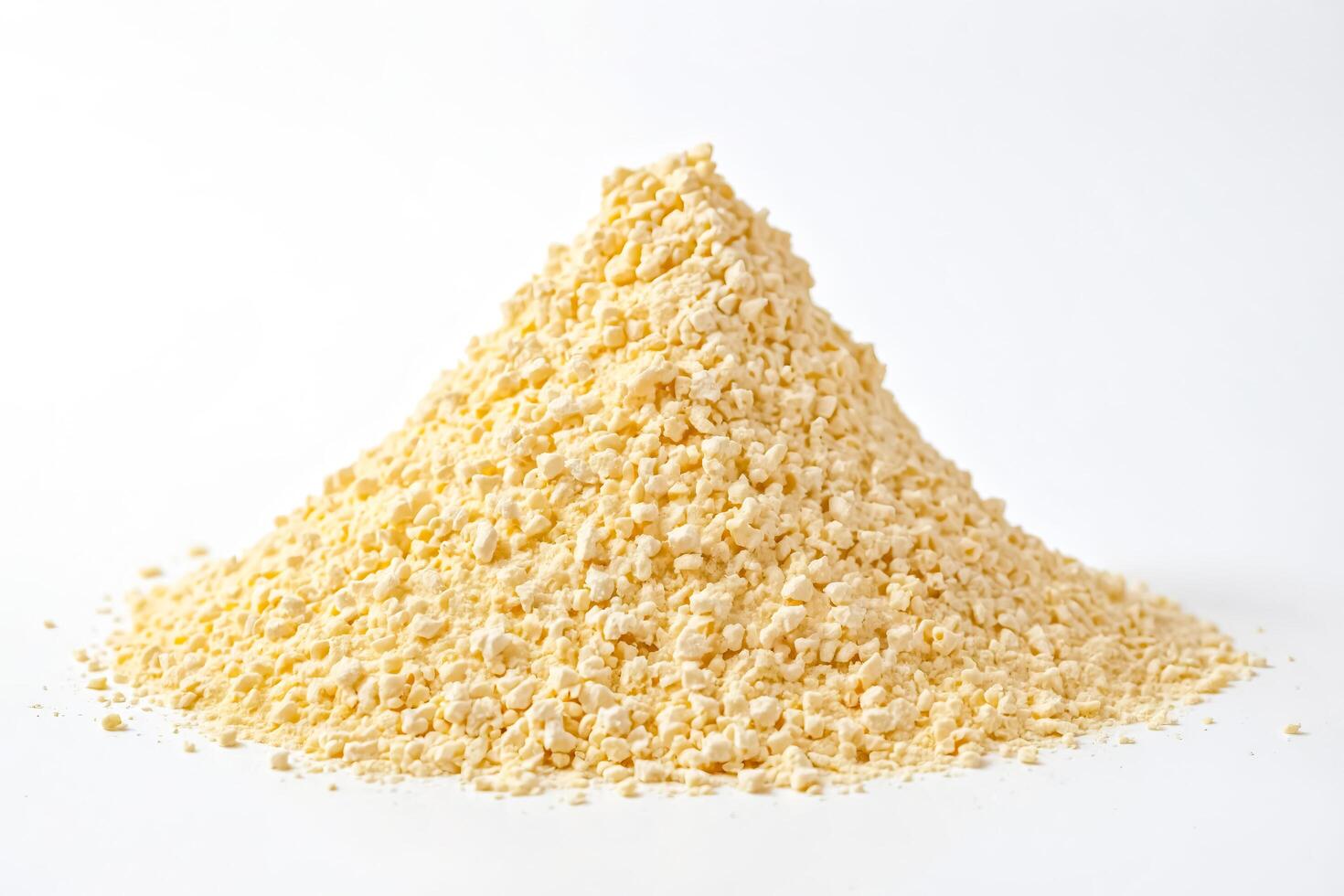
Masa, which is made from corn that has been treated with lime and ground into a fine flour, is naturally gluten-free. However, it’s important to check labels or verify with manufacturers to ensure there’s no cross-contamination with gluten-containing grains during processing or packaging.
Quick Tips
1High in complex carbohydrates: Provides sustained energy and helps regulate blood sugar levels
2Good source of fiber: Aids in digestion and promotes gut health
3Contains essential minerals: Particularly rich in calcium, iron, and magnesium
# In This Article
2 sectionsQuick navigation to each section of this article:
Benefits of Masa
| Benefits of Masa |
|---|
| High in complex carbohydrates: Provides sustained energy and helps regulate blood sugar levels |
| Good source of fiber: Aids in digestion and promotes gut health |
| Contains essential minerals: Particularly rich in calcium, iron, and magnesium |
| Low in fat: Suitable for low-fat diets |
| Gluten-free: Safe for people with celiac disease or gluten sensitivity |
| Source of antioxidants: Contains compounds like ferulic acid and carotenoids |
| Provides some protein: Contributes to muscle maintenance and growth |
| Low in sodium: Beneficial for those managing blood pressure |
| Contains some B vitamins: Supports energy metabolism and nervous system function |
| May have prebiotic properties: Can support beneficial gut bacteria |
| Traditionally prepared through nixtamalization: This process increases nutrient availability and reduces anti-nutrients |
| Versatile ingredient: Can be used in various dishes, promoting dietary diversityIt’s important to note that the nutritional profile can vary depending on the preparation method and any additives used in commercial masa products. |
Gluten Free Alternatives
Here are five gluten-free alternatives to Masa, along with short descriptions for each:
| Gluten Free Alternatives |
|---|
| Coconut Flour:Made from dried, ground coconut meat. It's high in fiber and absorbs liquid well, making it ideal for thickening sauces. It has a mild coconut flavor and works well in sweet and savory recipes. |
| Cassava Flour:Derived from the cassava root, this flour has a neutral flavor and is similar in texture to wheat flour. It's versatile and can be used in a variety of baked goods, as well as for thickening soups and sauces. |
| Chickpea Flour:Also known as garbanzo bean flour, it's made from ground chickpeas. It has a nutty flavor and is high in protein and fiber. It's commonly used in Mediterranean and Middle Eastern cuisines and works well for flatbreads and fritters. |
| Sorghum Flour: Milled from sorghum grain, this flour has a slightly sweet flavor and light color. It's rich in antioxidants and can be used in a variety of baked goods. It's often combined with other gluten-free flours for better texture in recipes. |
Health Information
? Frequently Asked Questions
4 questions1 Is there gluten in masa?
2 Are tamales usually gluten-free?
3 Is masa healthier than flour?
4 What's the difference between corn flour and masa harina?
Our Expert
Drs. Ilse van Asperen
Orthomolecular Therapist, Nutritional Coach & Professional Editor
Drs. Ilse van Asperen is a medical doctor specialising in orthomolecular therapy and nutritional coaching. With a background in public and clinical health research and management, she focuses on addressing the root causes of health issues through diet, gut health, and stress reduction. As a professional editor for Little Helpers, she reviews all gluten-free content to ensure accuracy, safety, and scientific credibility. Read more on Drs. Ilse van Asperen's own website
Our Sources
The information on this page is based on reputable health and nutrition organisations, ensuring accuracy and reliability for anyone following a gluten-free diet. For further details, see the sources below.