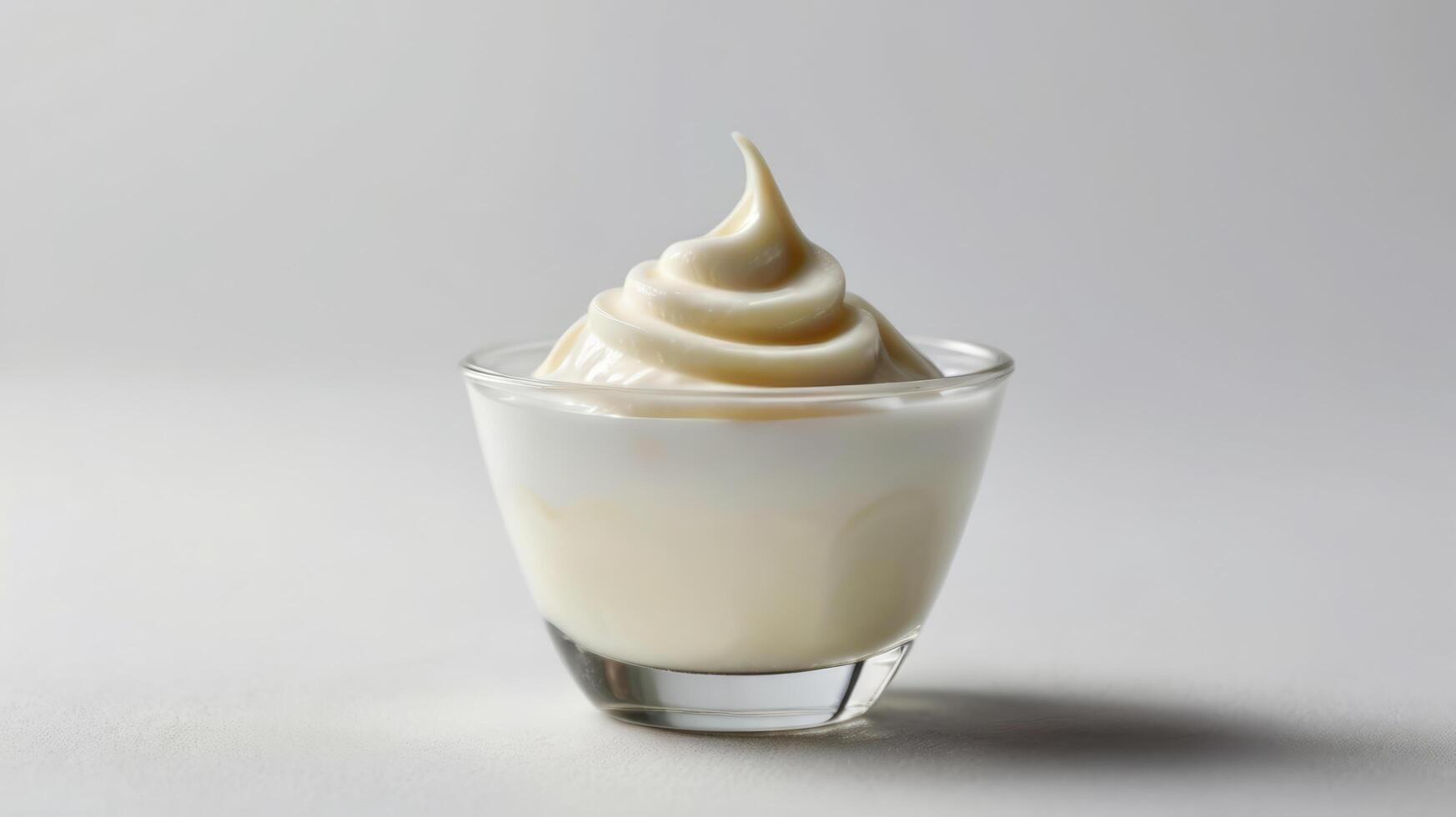
Is Mayonnaise Gluten Free?

Is Mayonnaise Gluten Free?

Generally speaking, plain mayonnaise is gluten-free as its main ingredients (oil, egg yolks, and vinegar or lemon juice) do not contain gluten. However, it’s always important to check the label of specific brands, especially for flavored varieties, as some may contain gluten-containing additives or be produced in facilities that process gluten-containing products.

TL;DR

Generally speaking, plain mayonnaise is gluten-free as its main ingredients (oil, egg yolks, and vinegar or lemon juice) do not contain gluten. However, it’s always important to check the label of specific brands, especially for flavored varieties, as some may contain gluten-containing additives or be produced in facilities that process gluten-containing products.

Quick Tips

1

Source of healthy fats: Made with oil, mayonnaise contains monounsaturated and polyunsaturated fats, which can be beneficial for heart health when consumed in place of saturated fats.

2

Vitamin E: Mayonnaise contains vitamin E, an antioxidant that helps protect cells from damage and supports immune function.

3

Vitamin K: Some mayonnaise contains vitamin K, which is important for blood clotting and bone health.

# In This Article

3 sections

Quick navigation to each section of this article:

1 Benefits of Mayonnaise

Source of healthy fats: Made with oil, mayonnaise contains monounsaturated and polyunsaturated fats, which can be beneficial for heart health when consumed in place of saturated fats.

Jump
2 Who should avoid Mayonnaise

Individuals with egg allergies, as most mayonnaise contains eggs

Jump
3 Related Gluten Free Products

Here are five gluten-free options similar to mayonnaise, along with short descriptions:

Jump

Benefits of Mayonnaise

Benefits of Mayonnaise
Source of healthy fats: Made with oil, mayonnaise contains monounsaturated and polyunsaturated fats, which can be beneficial for heart health when consumed in place of saturated fats.
Vitamin E: Mayonnaise contains vitamin E, an antioxidant that helps protect cells from damage and supports immune function.
Vitamin K: Some mayonnaise contains vitamin K, which is important for blood clotting and bone health.
Omega-3 fatty acids: If made with certain oils like canola or soybean oil, mayonnaise can provide some omega-3 fatty acids, which are important for brain and heart health.
Helps absorb nutrients: The fat in mayonnaise can help the body absorb fat-soluble vitamins (A, D, E, and K) from other foods eaten alongside it.
Energy source: As a high-calorie food, mayonnaise can provide quick energy.
Potentially lower cholesterol: Some studies suggest that replacing carbohydrates with monounsaturated fats (found in mayonnaise) may help lower bad cholesterol levels.
Flavor enhancement: While not a direct health benefit, mayonnaise can make healthier foods more palatable, potentially increasing the consumption of nutritious foods like vegetables.It’s important to note that these benefits should be weighed against the high calorie and fat content of mayonnaise, and it should be consumed in moderation as part of a balanced diet.

Who should avoid Mayonnaise

Who should avoid Mayonnaise
Individuals with egg allergies, as most mayonnaise contains eggs
People with high cholesterol levels, due to the high fat content in mayonnaise
Those on a low-fat diet or trying to lose weight
Individuals with compromised immune systems, as raw eggs in homemade mayonnaise can pose a risk of salmonella
People with lactose intolerance, if the mayonnaise contains milk products (some varieties do)
Those following a vegan diet, as traditional mayonnaise contains animal products
Individuals with soybean allergies, as some mayonnaise brands use soybean oil
People with a history of heart disease or at high risk for cardiovascular problems, due to the high saturated fat content
Those with diabetes who need to manage their fat intake
Pregnant women, if consuming homemade mayonnaise with raw eggs (due to the risk of salmonella)
Individuals on a low-sodium diet, as some mayonnaise brands can be high in sodiumRemember that store-bought mayonnaise is generally safer than homemade versions due to pasteurization processes, but it’s still high in calories and fat.
ENJOY YOUR FAVORITE FOODS FEARLESSLY!
Don’t let gluten hold you back. Take Anti-Gluten Pills before your meal and enjoy peace of mind.
SHOP ANTI-GLUTEN PILLS
Clinically proven · Up to 86% gluten reduction · Fast acting

Here are five gluten-free options similar to mayonnaise, along with short descriptions:

Related Gluten Free Products
Aioli: A Mediterranean sauce made from garlic, olive oil, and sometimes egg yolks. It has a rich, creamy texture and a strong garlic flavor, making it perfect for dipping or spreading on sandwiches.
Avocado Spread: A creamy, nutrient-dense alternative made from mashed avocados. It's often seasoned with lime juice, salt, and other spices, offering a healthy fat option with a smooth consistency similar to mayonnaise.
Greek Yogurt Dip: A tangy, protein-rich spread made from strained yogurt. It can be flavored with herbs and spices to create a versatile condiment that's lower in fat than traditional mayonnaise.
Hummus: A Middle Eastern dip made from chickpeas, tahini, olive oil, lemon juice, and garlic. It has a creamy texture and can be used as a spread or dip, offering a good source of protein and fiber.
Cashew Cream: A vegan alternative made from blended cashews and water. It can be seasoned to taste and used as a creamy, dairy-free spread or sauce base, providing a rich texture similar to mayonnaise.

Health Information

? Frequently Asked Questions

4 questions
1 What brand of mayonnaise is gluten free?
Most major brands of mayonnaise are gluten-free. This includes popular brands like Hellmann's, Kraft, and Duke's. However, it's always best to check the label to be certain, as ingredients can sometimes change. If you have celiac disease or severe gluten sensitivity, look for brands that specifically state they are gluten-free on the packaging.
2 Is mayonnaise ok for celiacs?
Mayonnaise is generally considered safe for people with celiac disease. Traditional mayonnaise is made from eggs, oil, and vinegar or lemon juice, which are all naturally gluten-free ingredients. However, it's always important for celiacs to check the label of any packaged mayonnaise to ensure no gluten-containing additives have been included. Homemade mayonnaise is typically a safe option as long as all ingredients used are gluten-free.
3 Is Hellmans mayonnaise gluten-free?
Yes, Hellmann's mayonnaise is gluten-free. The main ingredients in traditional Hellmann's mayonnaise are oil, eggs, vinegar, and seasonings, none of which contain gluten. Hellmann's officially states that their Real Mayonnaise is gluten-free on their website and product packaging. However, it's always advisable for individuals with celiac disease or gluten sensitivity to double-check the label, as formulations can sometimes change.
4 Does Kraft mayo have gluten?
Kraft mayonnaise does not contain gluten. It is made primarily from oils, egg yolks, vinegar, and seasonings, none of which contain gluten. Kraft Foods confirms that their mayo is gluten-free. However, as with any product, it's always best to check the label for the most up-to-date information.
LIVE GLUTEN-FREE WITHOUT THE FUSS!
Introducing Tolerase® G, clinically proven to reduce up to 86% of gluten in under 10 minutes. Experience the freedom to eat what you love.
SHOP ANTI-GLUTEN PILLS
150mg pure Tolerase® G · Reduces gluten by 86% · Under 10 minutes

Our Expert

Drs. Ilse van Asperen, Orthomolecular Therapist and Nutritional Coach

Drs. Ilse van Asperen

Orthomolecular Therapist, Nutritional Coach & Professional Editor

Drs. Ilse van Asperen is a medical doctor specialising in orthomolecular therapy and nutritional coaching. With a background in public and clinical health research and management, she focuses on addressing the root causes of health issues through diet, gut health, and stress reduction. As a professional editor for Little Helpers, she reviews all gluten-free content to ensure accuracy, safety, and scientific credibility. Read more on Drs. Ilse van Asperen's own website

Our Sources

The information on this page is based on reputable health and nutrition organisations, ensuring accuracy and reliability for anyone following a gluten-free diet. For further details, see the sources below.

Sources

Similar Articles

Back to blog