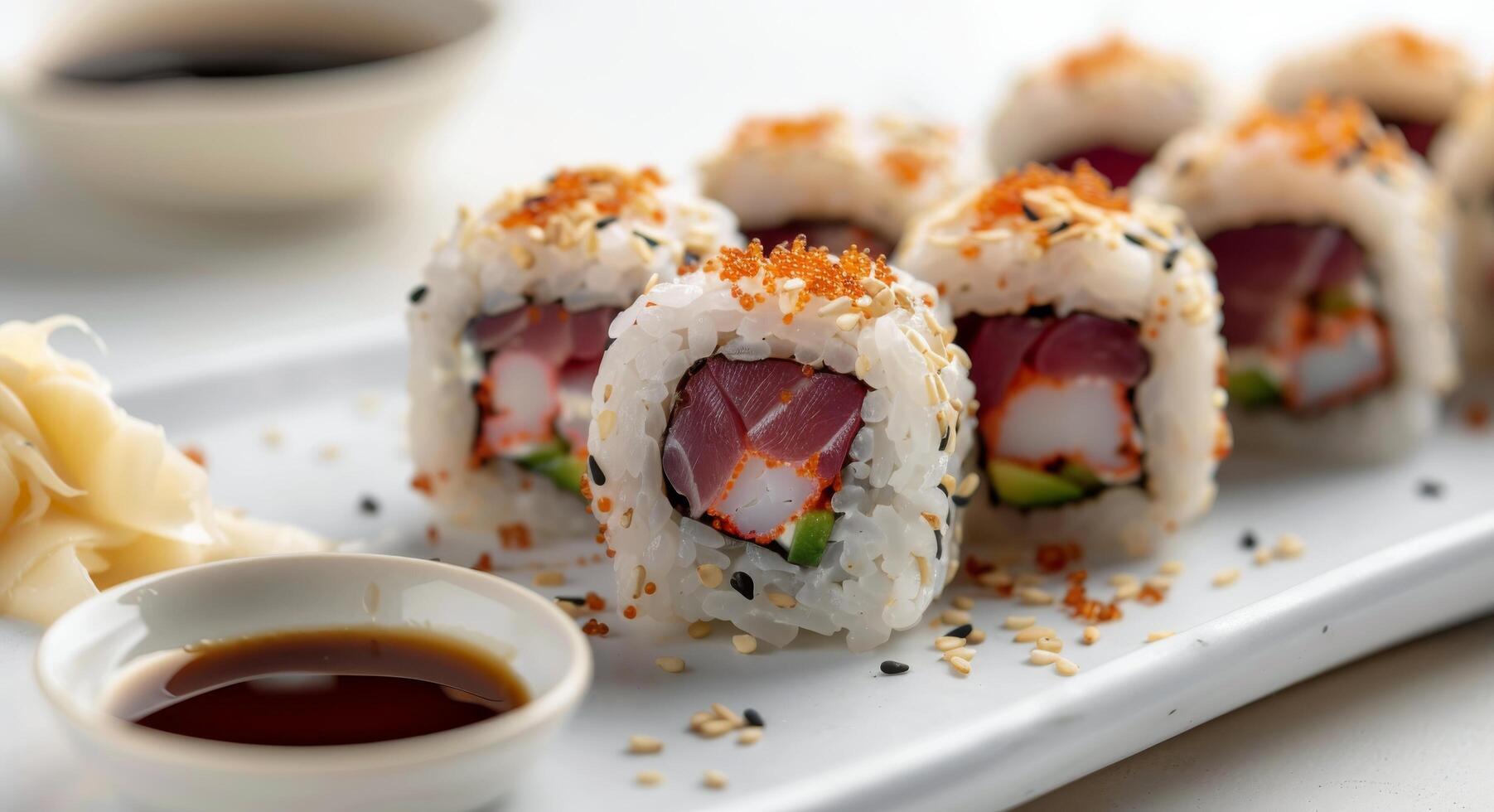
Is Most Sushi Gluten Free?

Is Most Sushi Gluten Free?

Most traditional sushi is naturally gluten-free, as it typically consists of rice, fish, vegetables, and seaweed. However, some sushi rolls may contain gluten in ingredients like soy sauce, imitation crab (surimi), or tempura batter, so it’s important to check specific ingredients or ask the restaurant if you have gluten sensitivities.

TL;DR

Most traditional sushi is naturally gluten-free, as it typically consists of rice, fish, vegetables, and seaweed. However, some sushi rolls may contain gluten in ingredients like soy sauce, imitation crab (surimi), or tempura batter, so it’s important to check specific ingredients or ask the restaurant if you have gluten sensitivities.

Quick Tips

1

High in protein: Fish and seafood in sushi are excellent sources of lean protein.

2

Rich in omega-3 fatty acids: Many fish used in sushi (like salmon and tuna) are high in heart-healthy omega-3s.

3

Low in calories: When prepared traditionally, sushi is generally low in calories.

# In This Article

3 sections

Quick navigation to each section of this article:

1 Benefits of Most Sushi

High in protein: Fish and seafood in sushi are excellent sources of lean protein.

Jump
2 Who should avoid Most Sushi

Pregnant women (due to the risk of foodborne illness and high mercury content in some fish)

Jump
3 Related Gluten Free Products

Here are five gluten-free options similar to most sushi, along with short descriptions:

Jump

Benefits of Most Sushi

Benefits of Most Sushi
High in protein: Fish and seafood in sushi are excellent sources of lean protein.
Rich in omega-3 fatty acids: Many fish used in sushi (like salmon and tuna) are high in heart-healthy omega-3s.
Low in calories: When prepared traditionally, sushi is generally low in calories.
Contains beneficial vitamins and minerals: Sushi often includes nutrients like vitamin D, vitamin B12, iodine, and selenium.
Provides seaweed nutrients: Nori used in sushi rolls contains iodine, fiber, and various antioxidants.
Good source of carbohydrates: The rice in sushi provides energy-giving carbohydrates.
Offers vegetable nutrients: Many sushi rolls include vegetables, adding fiber, vitamins, and minerals.
May improve gut health: Fermented foods like pickled ginger often served with sushi can support digestive health.
Potentially reduces risk of heart disease: The combination of fish, seaweed, and vegetables may contribute to heart health.
Can aid in weight management: The balance of protein, carbs, and fats can help with feeling full and satisfied.Remember, these benefits can vary depending on the specific type of sushi and how it’s prepared. Some varieties may be higher in calories or sodium than others.

Who should avoid Most Sushi

Who should avoid Most Sushi
Pregnant women (due to the risk of foodborne illness and high mercury content in some fish)
Young children (especially under 5 years old, due to their developing immune systems)
Elderly individuals (who may have weakened immune systems)
People with compromised immune systems (such as those undergoing chemotherapy or with HIV/AIDS)
Individuals with seafood allergies
Those with a high risk of foodborne illness (such as people with liver disease or diabetes)
People taking certain medications that may interact with raw fish (e.g., blood thinners)
Individuals with a history of parasitic infections
Those with gastrointestinal issues or sensitive digestive systems
People with a high risk of mercury toxicity (such as those who consume large amounts of seafood regularly)
Individuals who are unsure about the quality or sourcing of the sushiNote that some of these groups may be able to enjoy certain types of cooked sushi or vegetarian options, but it’s always best to consult with a healthcare provider for personalized advice.
ENJOY YOUR FAVORITE FOODS FEARLESSLY!
Don’t let gluten hold you back. Take Anti-Gluten Pills before your meal and enjoy peace of mind.
SHOP ANTI-GLUTEN PILLS
Clinically proven · Up to 86% gluten reduction · Fast acting

Here are five gluten-free options similar to most sushi, along with short descriptions:

Related Gluten Free Products
Sashimi: This Japanese dish consists of thinly sliced raw fish or seafood served without rice. It's a pure protein option that's naturally gluten-free and often accompanied by gluten-free soy sauce alternatives.
Poke Bowls: Originally from Hawaii, poke bowls feature cubed raw fish served over rice with various toppings like vegetables, seaweed, and sauces. Most poke bowls are gluten-free, but it's important to check the sauces used.
Ceviche: This Latin American dish is made with raw fish or seafood marinated in citrus juices, mixed with vegetables, and often served with corn chips. It's naturally gluten-free and offers a tangy, refreshing flavor profile.
Lettuce Wraps: These are a versatile option where various fillings (like grilled meats, tofu, or seafood) are wrapped in large lettuce leaves instead of traditional wheat-based wraps. They're low-carb, gluten-free, and can be customized to personal taste preferences.

Health Information

? Frequently Asked Questions

4 questions
1 What sushi is not gluten-free?
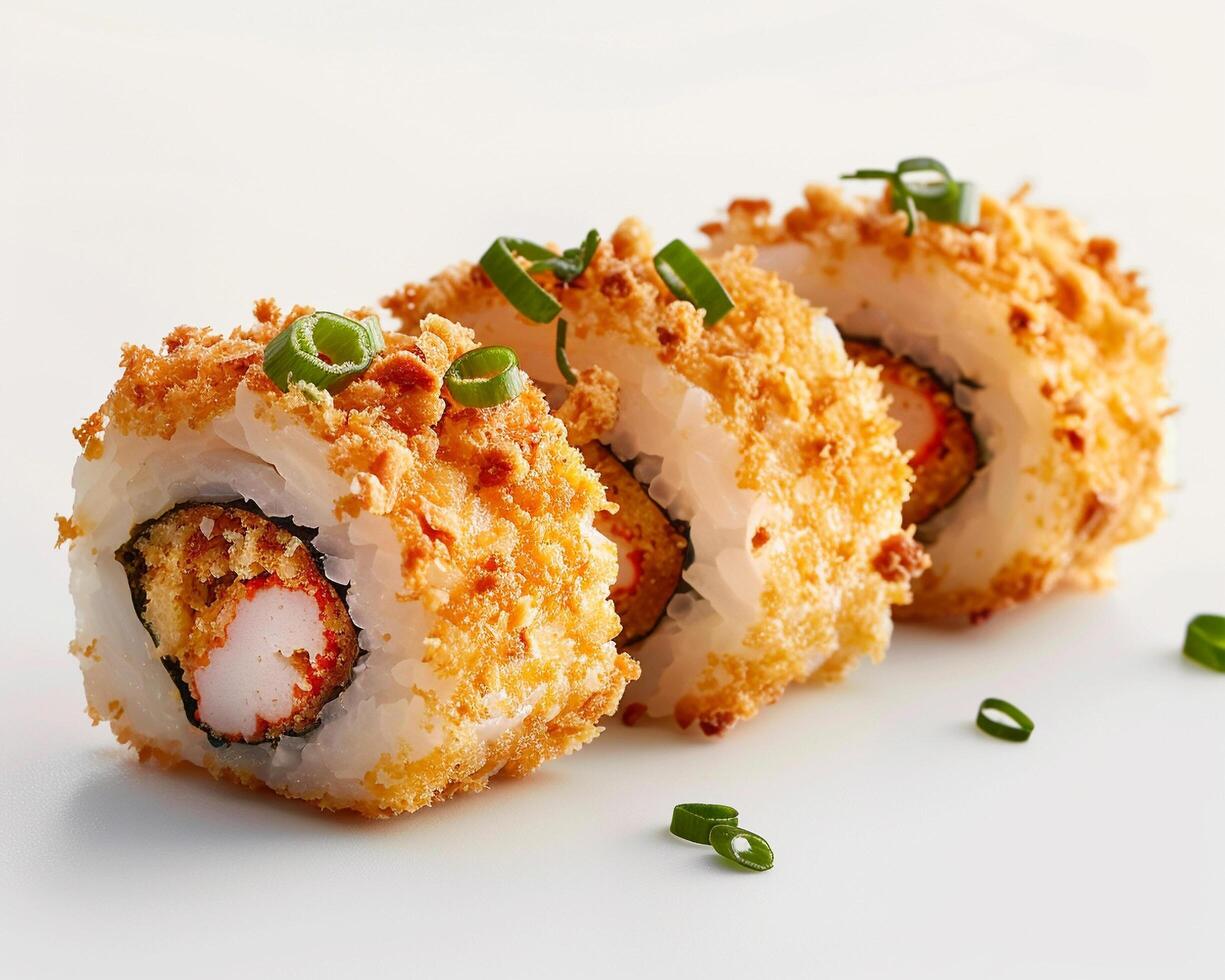
Most sushi rolls that contain imitation crab (surimi) are not gluten-free, as surimi often contains wheat. Soy sauce, commonly served with sushi, typically contains gluten unless it's specifically labeled gluten-free. Some sushi restaurants may use vinegars or other seasonings that contain gluten in their rice. Additionally, tempura-based sushi rolls are not gluten-free due to the wheat flour used in the batter.
2 Can you eat sushi if you're gluten intolerant?
Generally, most sushi is safe for people with gluten intolerance. The main ingredients like rice, fish, and vegetables are naturally gluten-free. However, some sushi ingredients may contain gluten, such as soy sauce, imitation crab meat, and certain sauces or marinades. It's important to ask about ingredients and preparation methods when ordering sushi if you have gluten intolerance.
3 Is a California roll gluten-free?
A traditional California roll is not necessarily gluten-free. The main concern is the imitation crab meat, which often contains wheat as a binding agent. Additionally, soy sauce typically used with sushi contains gluten. However, it is possible to find or request gluten-free versions of California rolls at some restaurants.
4 How do you avoid gluten in sushi?
To avoid gluten in sushi, opt for sushi rolls made with rice and nori (seaweed) only, without any sauces or tempura. Choose sashimi, which is plain raw fish without rice or other ingredients. Be cautious of soy sauce, as most varieties contain gluten, so bring your own gluten-free soy sauce or ask if the restaurant offers a gluten-free option. Always inform your server about your gluten sensitivity to ensure they can guide you towards safe menu choices and prevent cross-contamination in the kitchen.
LIVE GLUTEN-FREE WITHOUT THE FUSS!
Introducing Tolerase® G, clinically proven to reduce up to 86% of gluten in under 10 minutes. Experience the freedom to eat what you love.
SHOP ANTI-GLUTEN PILLS
150mg pure Tolerase® G · Reduces gluten by 86% · Under 10 minutes

Our Expert

Drs. Ilse van Asperen, Orthomolecular Therapist and Nutritional Coach

Drs. Ilse van Asperen

Orthomolecular Therapist, Nutritional Coach & Professional Editor

Drs. Ilse van Asperen is a medical doctor specialising in orthomolecular therapy and nutritional coaching. With a background in public and clinical health research and management, she focuses on addressing the root causes of health issues through diet, gut health, and stress reduction. As a professional editor for Little Helpers, she reviews all gluten-free content to ensure accuracy, safety, and scientific credibility. Read more on Drs. Ilse van Asperen's own website

Our Sources

The information on this page is based on reputable health and nutrition organisations, ensuring accuracy and reliability for anyone following a gluten-free diet. For further details, see the sources below.
Sources

Similar Articles

Back to blog