Is Pad Thai Sauce Gluten Free?

Is Pad Thai Sauce Gluten Free?

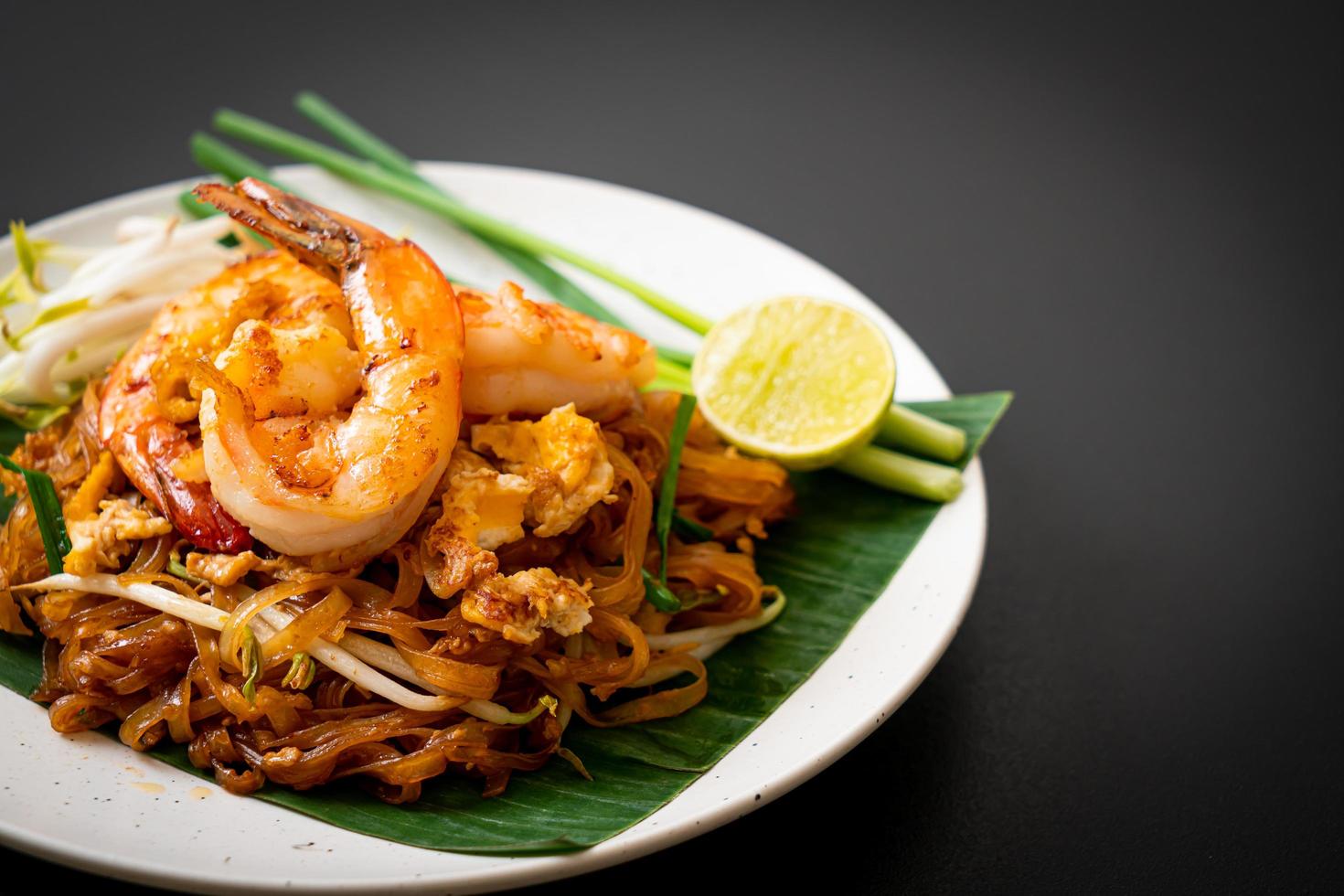
Traditionally, Pad Thai sauce is gluten-free as it’s typically made with ingredients like tamarind paste, fish sauce, palm sugar, and chili flakes, which don’t contain gluten. However, it’s important to check the specific brand or recipe being used, as some variations may include soy sauce or other additives that could contain gluten.

TL;DR

Traditionally, Pad Thai sauce is gluten-free as it’s typically made with ingredients like tamarind paste, fish sauce, palm sugar, and chili flakes, which don’t contain gluten. However, it’s important to check the specific brand or recipe being used, as some variations may include soy sauce or other additives that could contain gluten.

Quick Tips

1

Tamarind: Rich in antioxidants and may have anti-inflammatory properties

2

Fish sauce: Contains protein and some B vitamins

3

Garlic: May have antibacterial properties and support heart health

# In This Article

3 sections

Quick navigation to each section of this article:

1 Benefits of Pad Thai Sauce

Tamarind: Rich in antioxidants and may have anti-inflammatory properties

Jump
2 Who should avoid Pad Thai Sauce

People with peanut allergies (many Pad Thai sauces contain peanuts or peanut butter)

Jump
3 Gluten Free Alternatives

Here are five gluten-free alternatives to Pad Thai Sauce, along with short descriptions:

Jump

Benefits of Pad Thai Sauce

Benefits of Pad Thai Sauce
Tamarind: Rich in antioxidants and may have anti-inflammatory properties
Fish sauce: Contains protein and some B vitamins
Garlic: May have antibacterial properties and support heart health
Chili peppers: Contain capsaicin, which may boost metabolism and have pain-relieving properties
Palm sugar: Lower glycemic index than regular sugar (though still a sweetener)
Lime juice: Good source of vitamin C and antioxidants
Shallots: Contain flavonoids and may support heart health
Peanuts (often added): Good source of protein and healthy fatsIt’s important to note that Pad Thai sauce is typically high in sodium and sugar, so it should be consumed in moderation as part of a balanced diet. The health benefits mentioned are primarily derived from individual ingredients rather than the sauce as a whole.

Who should avoid Pad Thai Sauce

Who should avoid Pad Thai Sauce
People with peanut allergies (many Pad Thai sauces contain peanuts or peanut butter)
Individuals with soy allergies (soy sauce is a common ingredient)
Those with fish allergies (some recipes use fish sauce)
People on a low-sodium diet (Pad Thai sauce can be high in sodium)
Individuals with shellfish allergies (some recipes may include shrimp paste)
Those following a gluten-free diet (unless the sauce is specifically made gluten-free)
People with tamarind allergies (tamarind is a key ingredient in many Pad Thai sauces)
Individuals on a low-sugar diet (some commercial sauces can be high in added sugars)
Those with garlic or onion sensitivities (these are common ingredients in the sauce)
People following a strict vegan diet (unless the sauce is specifically made vegan)
Individuals with sensitivities to MSG (some commercial sauces may contain it)Always check the ingredient list if you have specific dietary restrictions or allergies, as recipes and brands can vary.
ENJOY YOUR FAVORITE FOODS FEARLESSLY!
Don’t let gluten hold you back. Take Anti-Gluten Pills before your meal and enjoy peace of mind.
SHOP ANTI-GLUTEN PILLS
Clinically proven · Up to 86% gluten reduction · Fast acting

Gluten Free Alternatives

Here are five gluten-free alternatives to Pad Thai Sauce, along with short descriptions:

Gluten Free Alternatives
Coconut aminos:Made from coconut sap, this sauce is naturally gluten-free and soy-free. It has a slightly sweet and salty flavor profile that can be used as a base for Pad Thai sauce when combined with other traditional ingredients.
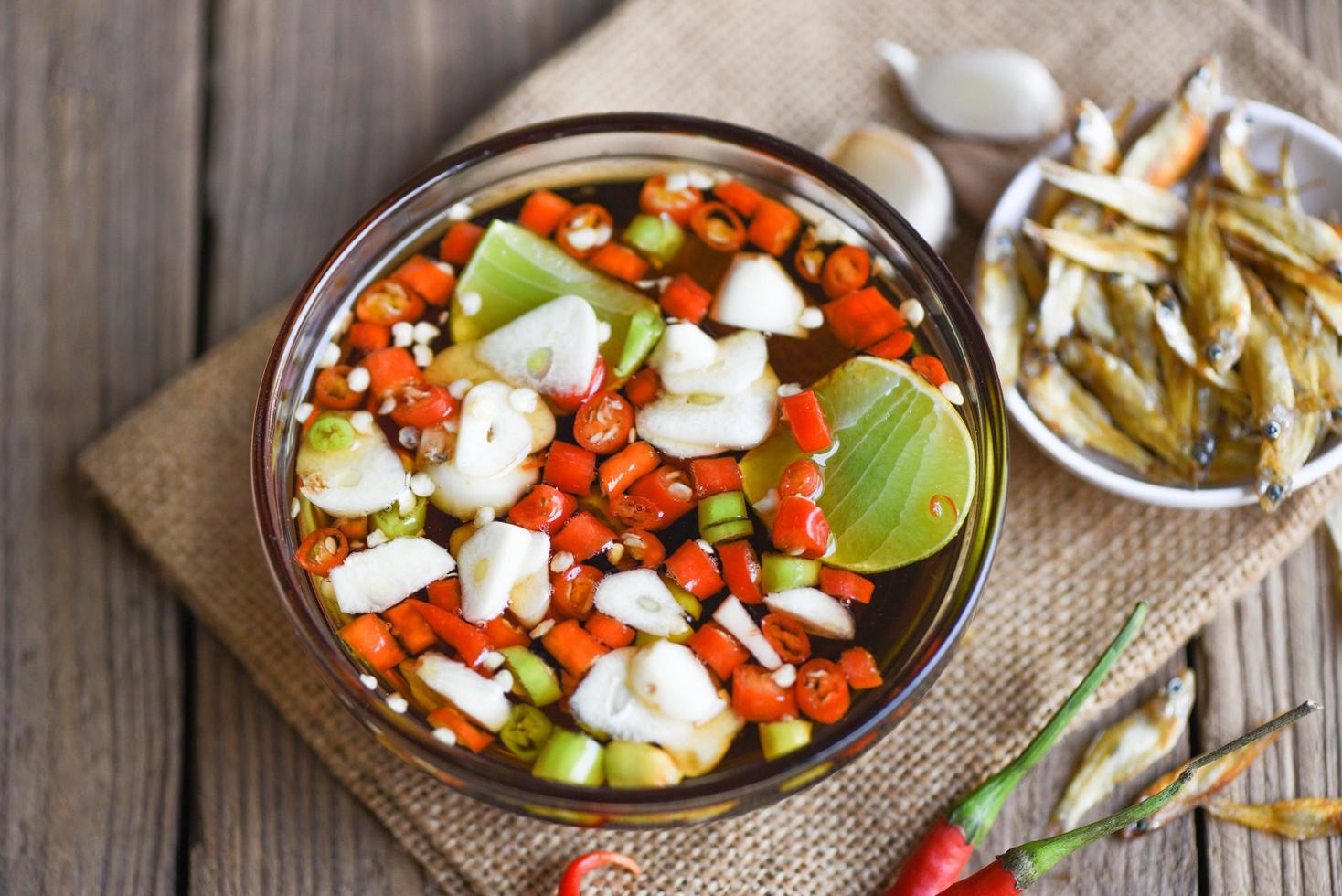
Fish sauce and lime juice mixture:A simple combination of fish sauce and lime juice can provide a tangy, umami-rich alternative to Pad Thai sauce. This mixture can be enhanced with palm sugar or honey for sweetness and chili flakes for heat.
Tamarind and rice vinegar blend:Tamarind paste mixed with rice vinegar creates a tart and tangy base for a gluten-free Pad Thai sauce. This can be sweetened with palm sugar and seasoned with fish sauce or salt to taste.
Peanut-based sauce:A sauce made from natural peanut butter, gluten-free soy sauce or coconut aminos, lime juice, and honey or palm sugar can serve as a rich, nutty alternative to traditional Pad Thai sauce. This option adds a unique twist to the dish while maintaining a similar flavor profile.

Health Information

? Frequently Asked Questions

4 questions
1 Does pad thai sauce have gluten?
Pad Thai sauce typically does not contain gluten. However, some recipes or pre-made sauces may include soy sauce, which often contains wheat. It's important to check ingredients carefully if you have gluten sensitivity. For a gluten-free option, look for sauces made with tamari or gluten-free soy sauce alternatives.
2 What does pad thai sauce contain?
Pad Thai sauce typically contains tamarind paste, which gives it a tangy flavor. Fish sauce is another key ingredient, providing a salty and umami taste. Palm sugar or brown sugar is added for sweetness to balance the other flavors. Lastly, the sauce often includes garlic, shallots, and sometimes chili flakes for additional depth and spice.
3 Why isn't pad thai gluten-free?
Pad Thai is not always gluten-free due to several ingredients commonly used in the dish. The main culprit is often the soy sauce, which typically contains wheat as a key ingredient. Additionally, some recipes may use wheat-based noodles instead of traditional rice noodles. To make Pad Thai gluten-free, it's necessary to use gluten-free soy sauce (like tamari) and ensure all other ingredients are free from gluten contamination.
4 Can celiacs eat Thai food?
Celiacs can eat some Thai dishes, but caution is necessary. Many Thai recipes use gluten-free ingredients like rice noodles, vegetables, and meats. However, soy sauce and some curry pastes may contain gluten, so it's important to ask about ingredients. With careful selection and communication with the restaurant, celiacs can often enjoy modified Thai meals safely.
LIVE GLUTEN-FREE WITHOUT THE FUSS!
Introducing Tolerase® G, clinically proven to reduce up to 86% of gluten in under 10 minutes. Experience the freedom to eat what you love.
SHOP ANTI-GLUTEN PILLS
150mg pure Tolerase® G · Reduces gluten by 86% · Under 10 minutes

Our Expert

Drs. Ilse van Asperen, Orthomolecular Therapist and Nutritional Coach

Drs. Ilse van Asperen

Orthomolecular Therapist, Nutritional Coach & Professional Editor

Drs. Ilse van Asperen is a medical doctor specialising in orthomolecular therapy and nutritional coaching. With a background in public and clinical health research and management, she focuses on addressing the root causes of health issues through diet, gut health, and stress reduction. As a professional editor for Little Helpers, she reviews all gluten-free content to ensure accuracy, safety, and scientific credibility. Read more on Drs. Ilse van Asperen's own website

Our Sources

The information on this page is based on reputable health and nutrition organisations, ensuring accuracy and reliability for anyone following a gluten-free diet. For further details, see the sources below.
Sources

Similar Articles

Back to blog