Share
TL;DR
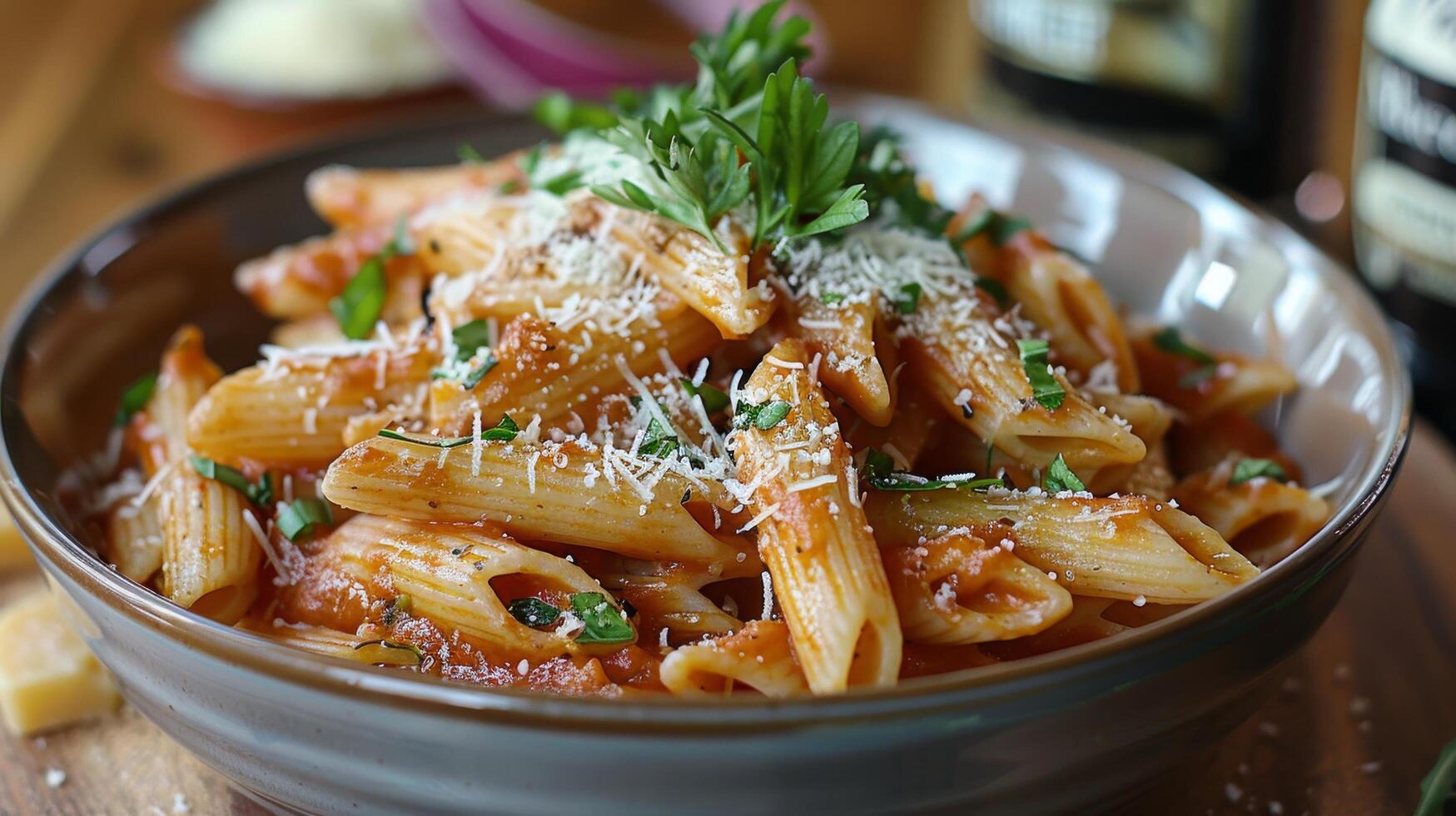
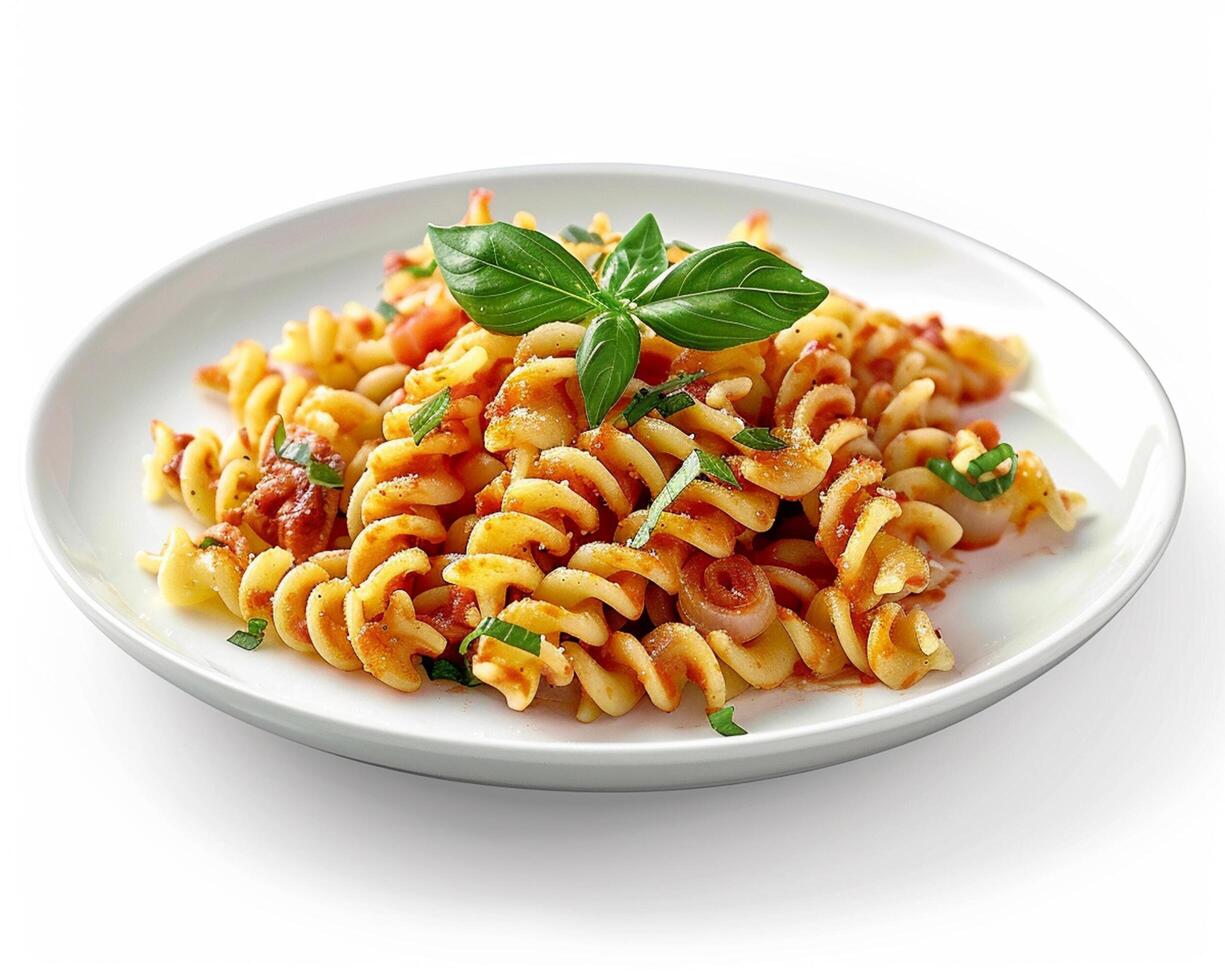
Most traditional pasta sauces are naturally gluten-free as they are typically made from ingredients like tomatoes, herbs, and vegetables that do not contain gluten. However, it’s always important to check the label of store-bought sauces, as some may contain gluten-containing additives or thickeners, or be produced in facilities that process gluten-containing products.
Quick Tips
1Rich in lycopene, a powerful antioxidant that may reduce the risk of certain cancers and heart disease
2Good source of vitamins A and C, which support immune function and skin health
3Contains potassium, which helps regulate blood pressure and supports heart health
# In This Article
3 sectionsQuick navigation to each section of this article:
1 Benefits of Pasta Sauce
Rich in lycopene, a powerful antioxidant that may reduce the risk of certain cancers and heart disease
Jump2 Who should avoid Pasta Sauce
People with tomato allergies: Most pasta sauces are tomato-based and could trigger allergic reactions.
Jump3 Related Gluten Free Products
Here are five gluten-free options similar to pasta sauce, along with short descriptions:
JumpBenefits of Pasta Sauce
| Benefits of Pasta Sauce |
|---|
| Rich in lycopene, a powerful antioxidant that may reduce the risk of certain cancers and heart disease |
| Good source of vitamins A and C, which support immune function and skin health |
| Contains potassium, which helps regulate blood pressure and supports heart health |
| Provides dietary fiber, aiding in digestion and promoting feelings of fullness |
| Low in calories when made with simple, natural ingredients |
| Contains beta-carotene, which supports eye health and can be converted to vitamin A in the body |
| Offers anti-inflammatory properties due to various compounds found in tomatoes |
| May help reduce the risk of stroke due to its high lycopene content |
| Can contribute to bone health due to the presence of vitamin K and calcium in some recipes |
| Garlic and herbs often used in pasta sauces have additional health benefits, including antioxidant and antimicrobial properties |
| Can increase the absorption of certain nutrients when paired with other foods, particularly those containing healthy fatsRemember that the health benefits can vary depending on the specific ingredients and preparation method of the pasta sauce. |
Who should avoid Pasta Sauce
| Who should avoid Pasta Sauce |
|---|
| People with tomato allergies: Most pasta sauces are tomato-based and could trigger allergic reactions. |
| Individuals with acid reflux or GERD: Tomato-based sauces are acidic and may worsen symptoms. |
| Those with irritable bowel syndrome (IBS): Some may find that tomato-based sauces trigger symptoms. |
| People on low-sodium diets: Many commercial pasta sauces are high in sodium. |
| Individuals with nightshade sensitivities: Tomatoes are part of the nightshade family and may cause issues for some. |
| Those with histamine intolerance: Tomatoes are high in histamines, which can cause problems for sensitive individuals. |
| People with specific food intolerances: Some sauces may contain ingredients like garlic, onions, or dairy that some individuals need to avoid. |
| Individuals on low-carb or ketogenic diets: Pasta sauce often contains added sugars and carbohydrates. |
| Those with certain gastrointestinal conditions: Some may need to avoid acidic or spicy foods, including certain pasta sauces. |
| People with specific medication interactions: Some medications may interact with compounds in tomatoes or other ingredients in pasta sauce.Always consult with a healthcare professional for personalized dietary advice. |
Related Gluten Free Products
Here are five gluten-free options similar to pasta sauce, along with short descriptions:
| Related Gluten Free Products |
|---|
| Pesto: A sauce originating from Italy, typically made with fresh basil, garlic, pine nuts, olive oil, and Parmesan cheese. Gluten-free versions are widely available and can be used on pasta, as a spread, or as a flavoring for various dishes. |
| Alfredo sauce: A rich, creamy sauce made with butter, heavy cream, and Parmesan cheese. Gluten-free versions are available and can be used on pasta, vegetables, or as a base for casseroles and gratins. |
| Salsa: A zesty sauce made with tomatoes, onions, peppers, and various spices. It's naturally gluten-free and can be used as a topping for meats, vegetables, or gluten-free chips, or as a flavoring for rice dishes. |
| Curry sauce: A flavorful sauce made with a blend of spices, coconut milk, and sometimes tomatoes. Gluten-free versions are available and can be used with rice, vegetables, or as a simmer sauce for meats and legumes. |
Health Information
? Frequently Asked Questions
4 questions1 Is pasta sauce usually gluten-free?
2 Which jar of spaghetti sauce is gluten-free?
3 Is prego spaghetti sauce gluten-free?
4 What sauces are not gluten-free?
Our Expert
Drs. Ilse van Asperen
Orthomolecular Therapist, Nutritional Coach & Professional Editor
Drs. Ilse van Asperen is a medical doctor specialising in orthomolecular therapy and nutritional coaching. With a background in public and clinical health research and management, she focuses on addressing the root causes of health issues through diet, gut health, and stress reduction. As a professional editor for Little Helpers, she reviews all gluten-free content to ensure accuracy, safety, and scientific credibility. Read more on Drs. Ilse van Asperen's own website
Our Sources
The information on this page is based on reputable health and nutrition organisations, ensuring accuracy and reliability for anyone following a gluten-free diet. For further details, see the sources below.