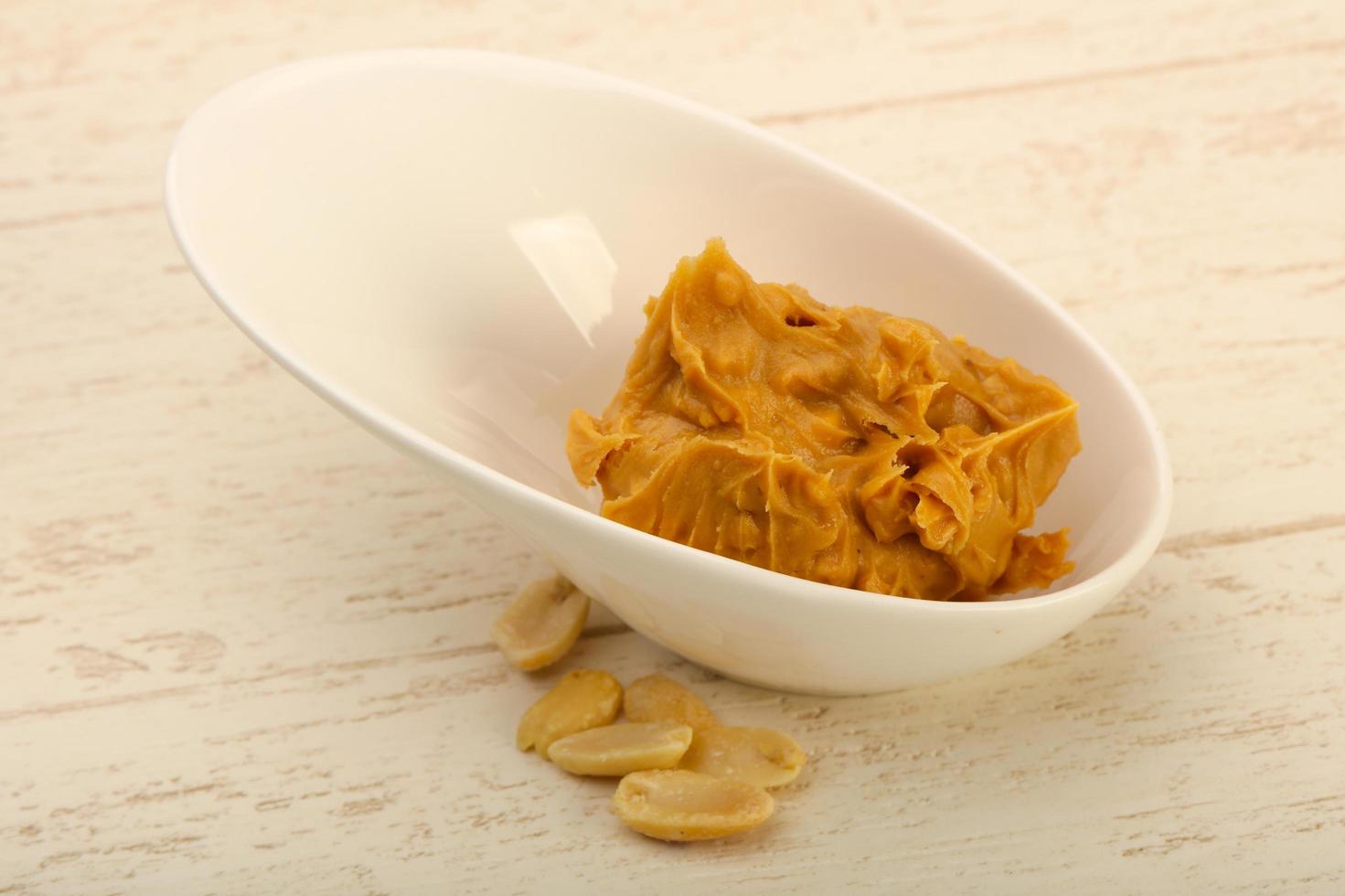
Is Peanut Flour Gluten Free?

Is Peanut Flour Gluten Free?

Yes, peanut flour is gluten-free. It is made solely from ground peanuts and does not contain wheat, barley, rye, or any other gluten-containing ingredients.

TL;DR

Yes, peanut flour is gluten-free. It is made solely from ground peanuts and does not contain wheat, barley, rye, or any other gluten-containing ingredients.

Quick Tips

1

High protein content: Provides a plant-based protein source for muscle building and repair

2

Low in carbohydrates: Suitable for low-carb diets and blood sugar management

3

Rich in fiber: Promotes digestive health and helps maintain feelings of fullness

# In This Article

3 sections

Quick navigation to each section of this article:

1 Benefits of Peanut Flour

High protein content: Provides a plant-based protein source for muscle building and repair

Jump
2 Who should avoid Peanut Flour

People with peanut allergies

Jump
3 Related Gluten Free Products

Here are five similar gluten-free options to peanut flour, along with short descriptions:

Jump

Benefits of Peanut Flour

Benefits of Peanut Flour
High protein content: Provides a plant-based protein source for muscle building and repair
Low in carbohydrates: Suitable for low-carb diets and blood sugar management
Rich in fiber: Promotes digestive health and helps maintain feelings of fullness
Good source of healthy fats: Contains heart-healthy monounsaturated and polyunsaturated fats
Gluten-free: Suitable for those with celiac disease or gluten sensitivity
Rich in vitamins and minerals: Provides essential nutrients like vitamin E, folate, magnesium, and zinc
Antioxidant properties: Contains compounds that may help reduce inflammation and oxidative stress
May support weight management: High protein and fiber content can aid in satiety and calorie control
Versatile ingredient: Can be used to boost protein content in various recipes without significantly altering taste
May help lower cholesterol: Contains compounds that can potentially reduce LDL (bad) cholesterol levels
Supports bone health: Contains minerals like calcium and phosphorus that are essential for strong bones
May have anti-diabetic properties: Can help regulate blood sugar levels due to its low glycemic indexRemember that while peanut flour offers these benefits, it’s important to consume it as part of a balanced diet and to be aware of potential allergies.

Who should avoid Peanut Flour

Who should avoid Peanut Flour
People with peanut allergies
Individuals with a history of anaphylaxis to peanuts
Those with severe legume allergies
People on strict nut-free diets
Infants under 6 months old (as per general guidelines for introducing potential allergens)
Anyone advised by their doctor to avoid peanuts or peanut products
Those with cross-reactive allergies to other legumes or tree nuts (consult an allergist)
Individuals who experience oral allergy syndrome with peanuts
People preparing food for others with known peanut allergies
Those with compromised immune systems, unless cleared by a doctorRemember, if you’re unsure about consuming peanut flour, it’s always best to consult with a healthcare professional or allergist for personalized advice.
ENJOY YOUR FAVORITE FOODS FEARLESSLY!
Don’t let gluten hold you back. Take Anti-Gluten Pills before your meal and enjoy peace of mind.
SHOP ANTI-GLUTEN PILLS
Clinically proven · Up to 86% gluten reduction · Fast acting

Here are five similar gluten-free options to peanut flour, along with short descriptions:

Related Gluten Free Products
Coconut Flour:Produced from dried, ground coconut meat, this flour is high in fiber and low in carbohydrates. It's very absorbent and has a slight coconut flavor, making it ideal for sweet and savory recipes in small quantities.
Chickpea Flour:Also known as garbanzo bean flour, this option is high in protein and fiber. It has a slightly nutty taste and is often used in savory dishes, flatbreads, and as a thickener for soups and sauces.
Sunflower Seed Flour:Made from ground sunflower seeds, this flour is rich in protein, vitamins, and minerals. It has a mild, nutty flavor and can be used as a 1:1 replacement for almond flour in many recipes.
Hazelnut Flour:Created from ground hazelnuts, this flour adds a rich, nutty flavor to baked goods. It's high in healthy fats and protein, and works well in both sweet and savory recipes, particularly in European-style desserts.

Health Information

? Frequently Asked Questions

4 questions
1 Does peanut flour contain gluten?
Peanut flour does not contain gluten. Gluten is a protein found in wheat, barley, and rye. Peanut flour is made from ground peanuts, which are legumes, not grains. Therefore, peanut flour is naturally gluten-free and safe for those with celiac disease or gluten sensitivity.
2 What is peanut flour made of?
Peanut flour is made from roasted peanuts that have been pressed to remove most of their oil content. The pressed peanuts are then ground into a fine powder. This process results in a product that is high in protein and low in fat compared to whole peanuts. Peanut flour retains the nutty flavor of peanuts and is often used as a gluten-free alternative in baking or as a protein supplement.
3 Is peanut flour just ground peanuts?
Peanut flour is indeed made from ground peanuts, but it's not exactly the same as simply grinding whole peanuts. The process involves removing most of the oils from the peanuts before grinding them into a fine powder. This results in a product that is lower in fat and higher in protein compared to whole ground peanuts. Peanut flour is often used as a gluten-free alternative in baking or to add peanut flavor to various dishes.
4 Why are peanuts not gluten-free?
Peanuts are naturally gluten-free. They do not contain gluten, which is a protein found in wheat, barley, and rye. The confusion may arise when peanuts are processed in facilities that also handle gluten-containing products, potentially leading to cross-contamination. However, pure peanuts and most peanut products are considered gluten-free unless they have added ingredients containing gluten.
LIVE GLUTEN-FREE WITHOUT THE FUSS!
Introducing Tolerase® G, clinically proven to reduce up to 86% of gluten in under 10 minutes. Experience the freedom to eat what you love.
SHOP ANTI-GLUTEN PILLS
150mg pure Tolerase® G · Reduces gluten by 86% · Under 10 minutes

Our Expert

Drs. Ilse van Asperen, Orthomolecular Therapist and Nutritional Coach

Drs. Ilse van Asperen

Orthomolecular Therapist, Nutritional Coach & Professional Editor

Drs. Ilse van Asperen is a medical doctor specialising in orthomolecular therapy and nutritional coaching. With a background in public and clinical health research and management, she focuses on addressing the root causes of health issues through diet, gut health, and stress reduction. As a professional editor for Little Helpers, she reviews all gluten-free content to ensure accuracy, safety, and scientific credibility. Read more on Drs. Ilse van Asperen's own website

Our Sources

The information on this page is based on reputable health and nutrition organisations, ensuring accuracy and reliability for anyone following a gluten-free diet. For further details, see the sources below.

Sources

Similar Articles

Back to blog