Share
TL;DR
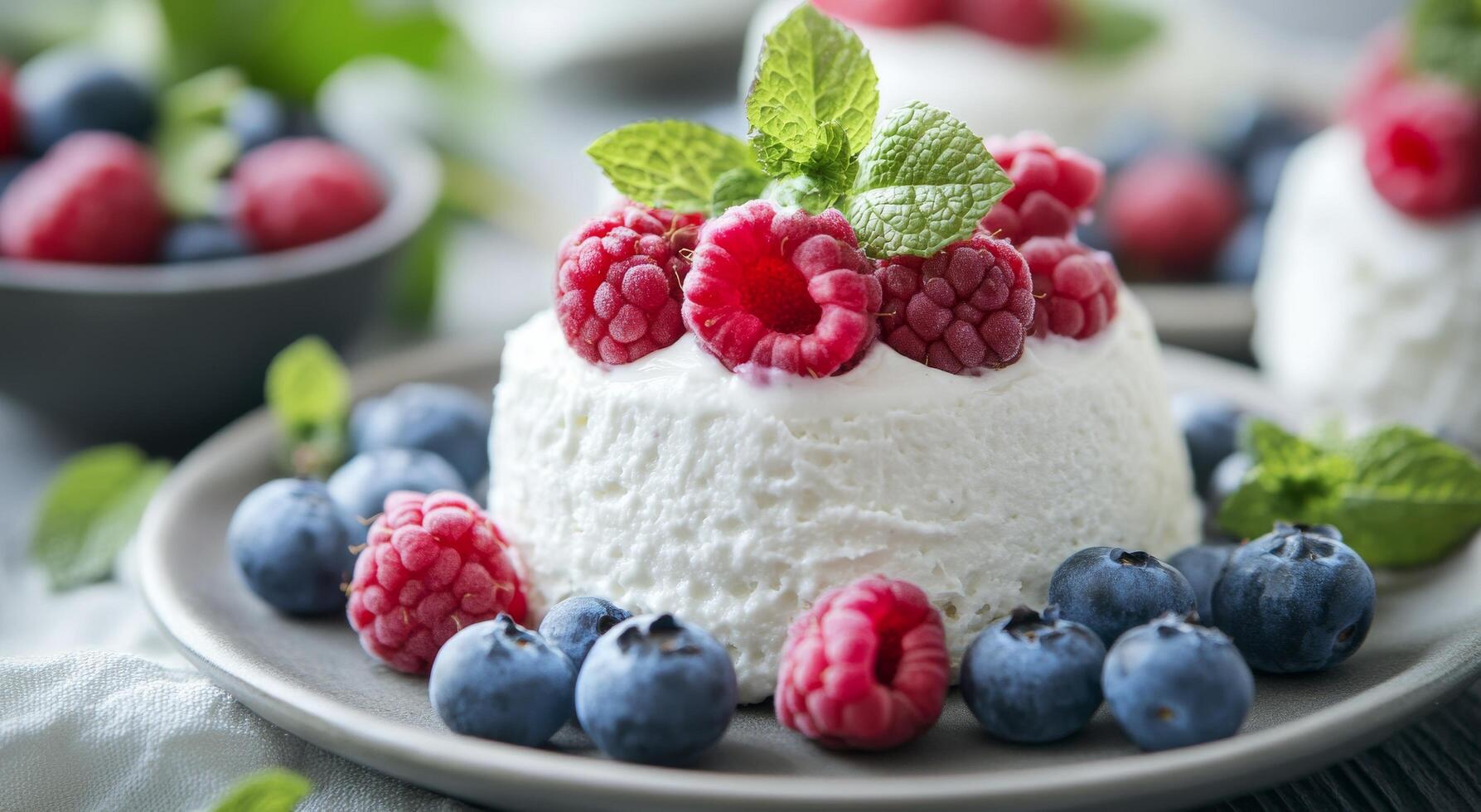
Yes, ricotta cheese is generally gluten-free. As a dairy product made from milk, whey, and sometimes vinegar or salt, ricotta cheese does not naturally contain gluten, making it safe for those with gluten sensitivities or celiac disease to consume.
Quick Tips
1Low in calories: Ricotta is relatively low in calories compared to many other cheeses, making it a good option for those watching their calorie intake.
2High in protein: It’s a good source of protein, which is essential for muscle growth and repair.
3Rich in calcium: Ricotta provides a significant amount of calcium, which is crucial for bone health.
# In This Article
3 sectionsQuick navigation to each section of this article:
1 Benefits of Ricotta Cheese
Low in calories: Ricotta is relatively low in calories compared to many other cheeses, making it a good option for those watching their calorie intake.
Jump2 Who should avoid Ricotta Cheese
Individuals with severe lactose intolerance: While ricotta contains less lactose than many other cheeses, it may still cause issues for those with severe lactose intolerance.
Jump3 Related Gluten Free Products
Here are five similar gluten-free options like Ricotta Cheese, along with short descriptions:
JumpBenefits of Ricotta Cheese
| Benefits of Ricotta Cheese |
|---|
| Low in calories: Ricotta is relatively low in calories compared to many other cheeses, making it a good option for those watching their calorie intake. |
| High in protein: It’s a good source of protein, which is essential for muscle growth and repair. |
| Rich in calcium: Ricotta provides a significant amount of calcium, which is crucial for bone health. |
| Contains whey protein: The whey protein in ricotta can help with muscle recovery and growth. |
| Good source of vitamins: It contains vitamins A and B12, which are important for eye health and neurological function, respectively. |
| Provides essential minerals: Ricotta contains minerals like zinc, selenium, and phosphorus, which play various roles in body functions. |
| Low in sodium: Compared to many other cheeses, ricotta is relatively low in sodium, which can be beneficial for heart health. |
| Contains conjugated linoleic acid (CLA): This compound may have anti-inflammatory and cancer-fighting properties. |
| Easily digestible: The soft texture of ricotta makes it easier to digest than some harder cheeses. |
| Versatile in diet: Its mild flavor makes it easy to incorporate into both sweet and savory dishes, increasing nutrient variety in the diet.Remember, while ricotta has these benefits, it should be consumed in moderation as part of a balanced diet. |
Who should avoid Ricotta Cheese
| Who should avoid Ricotta Cheese |
|---|
| Individuals with severe lactose intolerance: While ricotta contains less lactose than many other cheeses, it may still cause issues for those with severe lactose intolerance. |
| People with milk allergies: Ricotta is made from milk, so those with milk allergies should avoid it. |
| Those following a vegan diet: As ricotta is an animal product, it’s not suitable for vegans. |
| Individuals on a low-fat diet: Ricotta, especially whole milk ricotta, can be high in fat. |
| People with high cholesterol: Full-fat ricotta can contribute to increased cholesterol levels. |
| Those on a low-sodium diet: Some ricotta cheeses can be high in sodium. |
| Individuals prone to kidney stones: Ricotta is high in calcium, which may be a concern for those prone to calcium oxalate kidney stones. |
| People with compromised immune systems: If the ricotta is unpasteurized, it may pose a risk of foodborne illness. |
| Pregnant women: Should avoid unpasteurized ricotta due to the risk of listeria. |
| Those following a ketogenic diet: Ricotta contains carbohydrates, which may not fit into a strict keto meal plan.Remember, many of these concerns can be mitigated by choosing low-fat or part-skim ricotta, or by consuming it in moderation. Always consult with a healthcare professional for personalized dietary advice. |
Related Gluten Free Products
Here are five similar gluten-free options like Ricotta Cheese, along with short descriptions:
| Related Gluten Free Products |
|---|
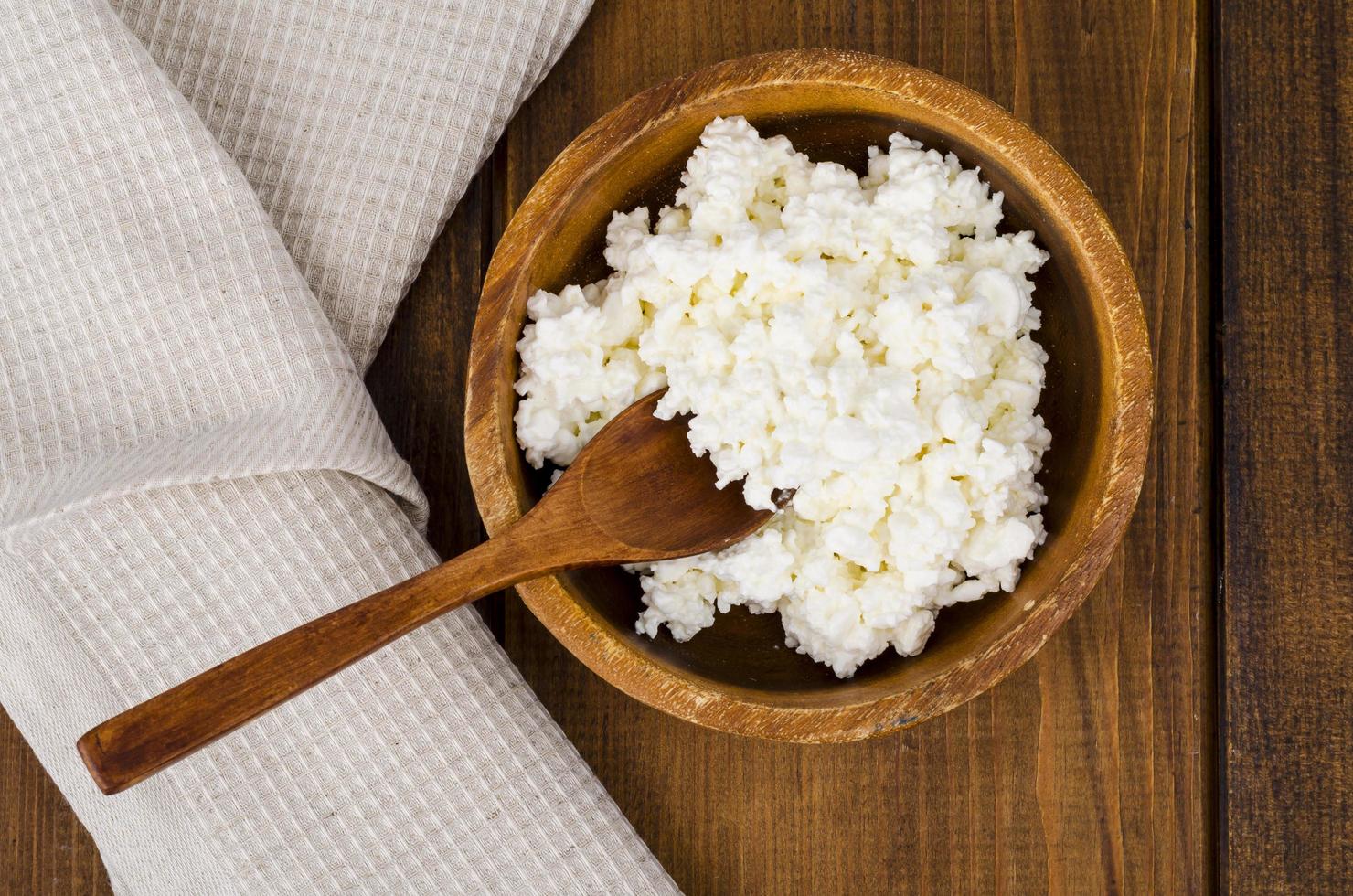
| Cottage Cheese:A fresh, mild-flavored cheese made from cow's milk curds. It has a lumpy texture and is lower in fat than ricotta. Cottage cheese is high in protein and calcium, making it a popular choice for health-conscious consumers. |
| Greek Yogurt:A thick, creamy yogurt that has been strained to remove excess whey. It has a tangy flavor and is higher in protein than regular yogurt. Greek yogurt can be used as a substitute for ricotta in both sweet and savory dishes. |
| Mascarpone:An Italian cream cheese with a rich, buttery texture and slightly sweet flavor. It's made from cream and has a higher fat content than ricotta. Mascarpone is often used in desserts like tiramisu but can also be used in savory dishes. |
| Quark:A fresh dairy product popular in German and Eastern European cuisines. It has a consistency between yogurt and cheese, with a mild, slightly tangy flavor. Quark is low in fat and high in protein, making it a nutritious alternative to ricotta. |
| Tofu:A soy-based product that can be used as a dairy-free alternative to ricotta. Silken tofu, when blended, has a smooth, creamy texture similar to ricotta. It's high in protein and can be flavored to suit both sweet and savory recipes. |
Health Information
? Frequently Asked Questions
4 questions1 What brand ricotta cheese is gluten-free?
2 What cheese is not gluten-free?
3 Is Walmart brand ricotta cheese gluten-free?
4 Is Galbani whole milk ricotta cheese gluten-free?
Our Expert
Drs. Ilse van Asperen
Orthomolecular Therapist, Nutritional Coach & Professional Editor
Drs. Ilse van Asperen is a medical doctor specialising in orthomolecular therapy and nutritional coaching. With a background in public and clinical health research and management, she focuses on addressing the root causes of health issues through diet, gut health, and stress reduction. As a professional editor for Little Helpers, she reviews all gluten-free content to ensure accuracy, safety, and scientific credibility. Read more on Drs. Ilse van Asperen's own website
Our Sources
The information on this page is based on reputable health and nutrition organisations, ensuring accuracy and reliability for anyone following a gluten-free diet. For further details, see the sources below.