Is Salsa Gluten Free?

Is Salsa Gluten Free?

Generally, traditional salsa is gluten-free as it’s typically made from ingredients like tomatoes, onions, peppers, and spices, which do not contain gluten. However, it’s always important to check the label or inquire about specific ingredients when purchasing pre-made salsa or ordering at a restaurant, as some variations might include additives or flavorings that contain gluten.

TL;DR

Generally, traditional salsa is gluten-free as it’s typically made from ingredients like tomatoes, onions, peppers, and spices, which do not contain gluten. However, it’s always important to check the label or inquire about specific ingredients when purchasing pre-made salsa or ordering at a restaurant, as some variations might include additives or flavorings that contain gluten.

Quick Tips

1

Low in calories: Salsa is generally a low-calorie food, making it a good option for weight management.

2

Rich in vitamins: Contains vitamins A and C, which support immune function and skin health.

3

Good source of antioxidants: Tomatoes, onions, and peppers in salsa provide antioxidants that fight free radicals.

# In This Article

3 sections

Quick navigation to each section of this article:

1 Benefits of Salsa

Low in calories: Salsa is generally a low-calorie food, making it a good option for weight management.

Jump
2 Who should avoid Salsa

Individuals with severe acid reflux or GERD (Gastroesophageal reflux disease)

Jump
3 Related Gluten Free Products

Here are five gluten-free options similar to salsa, along with short descriptions:

Jump

Benefits of Salsa

Benefits of Salsa
Low in calories: Salsa is generally a low-calorie food, making it a good option for weight management.
Rich in vitamins: Contains vitamins A and C, which support immune function and skin health.
Good source of antioxidants: Tomatoes, onions, and peppers in salsa provide antioxidants that fight free radicals.
Promotes heart health: The vegetables in salsa can contribute to better cardiovascular health.
Improves digestion: Contains fiber, which aids in digestive health and promotes regular bowel movements.
Boosts metabolism: Capsaicin in peppers can temporarily increase metabolism.
Supports eye health: Lycopene in tomatoes is beneficial for eye health.
Hydrating: High water content in vegetables helps with hydration.
May reduce cancer risk: Some studies suggest that lycopene may help reduce the risk of certain cancers.
Enhances nutrient absorption: Vitamin C in salsa can help with iron absorption from other foods.
Low in fat: Most salsas are very low in fat, making them a heart-healthy choice.
Versatile addition to diet: Can be used to add flavor to various dishes, potentially reducing the need for less healthy condiments.Remember, these benefits are most pronounced when salsa is consumed as part of a balanced diet and when it’s not laden with excessive salt or additives.

Who should avoid Salsa

Who should avoid Salsa
Individuals with severe acid reflux or GERD (Gastroesophageal reflux disease)
People with irritable bowel syndrome (IBS) who are sensitive to spicy foods
Those with stomach ulcers or gastritis
Individuals with a known allergy to any of the common ingredients in salsa (e.g., tomatoes, onions, peppers)
People on low-sodium diets, as some salsas can be high in salt
Those with oral allergy syndrome who react to raw fruits and vegetables
Individuals with capsaicin sensitivity (the compound that makes peppers spicy)
People recovering from certain gastrointestinal surgeries or procedures
Those with chronic heartburn who find that spicy foods trigger their symptoms
Individuals with diverticulitis during flare-ups
People with open mouth sores or cuts, as the acidity and spice may cause discomfort
Young children who may find the spiciness overwhelmingRemember, these are general guidelines. Individual tolerances may vary, and it’s always best to consult with a healthcare professional for personalized advice.
ENJOY YOUR FAVORITE FOODS FEARLESSLY!
Don’t let gluten hold you back. Take Anti-Gluten Pills before your meal and enjoy peace of mind.
SHOP ANTI-GLUTEN PILLS
Clinically proven · Up to 86% gluten reduction · Fast acting

Here are five gluten-free options similar to salsa, along with short descriptions:

Related Gluten Free Products
Guacamole: A creamy avocado-based dip originating from Mexico, typically made with mashed avocados, lime juice, cilantro, onions, and tomatoes. It's rich in healthy fats and pairs well with various foods.
Hummus: A Middle Eastern spread made from mashed chickpeas, tahini, olive oil, lemon juice, and garlic. It's high in protein and fiber, making it a nutritious and versatile dip or spread.
Tzatziki: A Greek yogurt-based sauce made with cucumbers, garlic, olive oil, and herbs like dill or mint. It's refreshing, tangy, and commonly used as a dip or condiment in Mediterranean cuisine.
Baba Ganoush: An Arabic eggplant-based dip made with roasted eggplant, tahini, olive oil, lemon juice, and garlic. It has a smoky flavor and creamy texture, perfect for dipping or spreading.
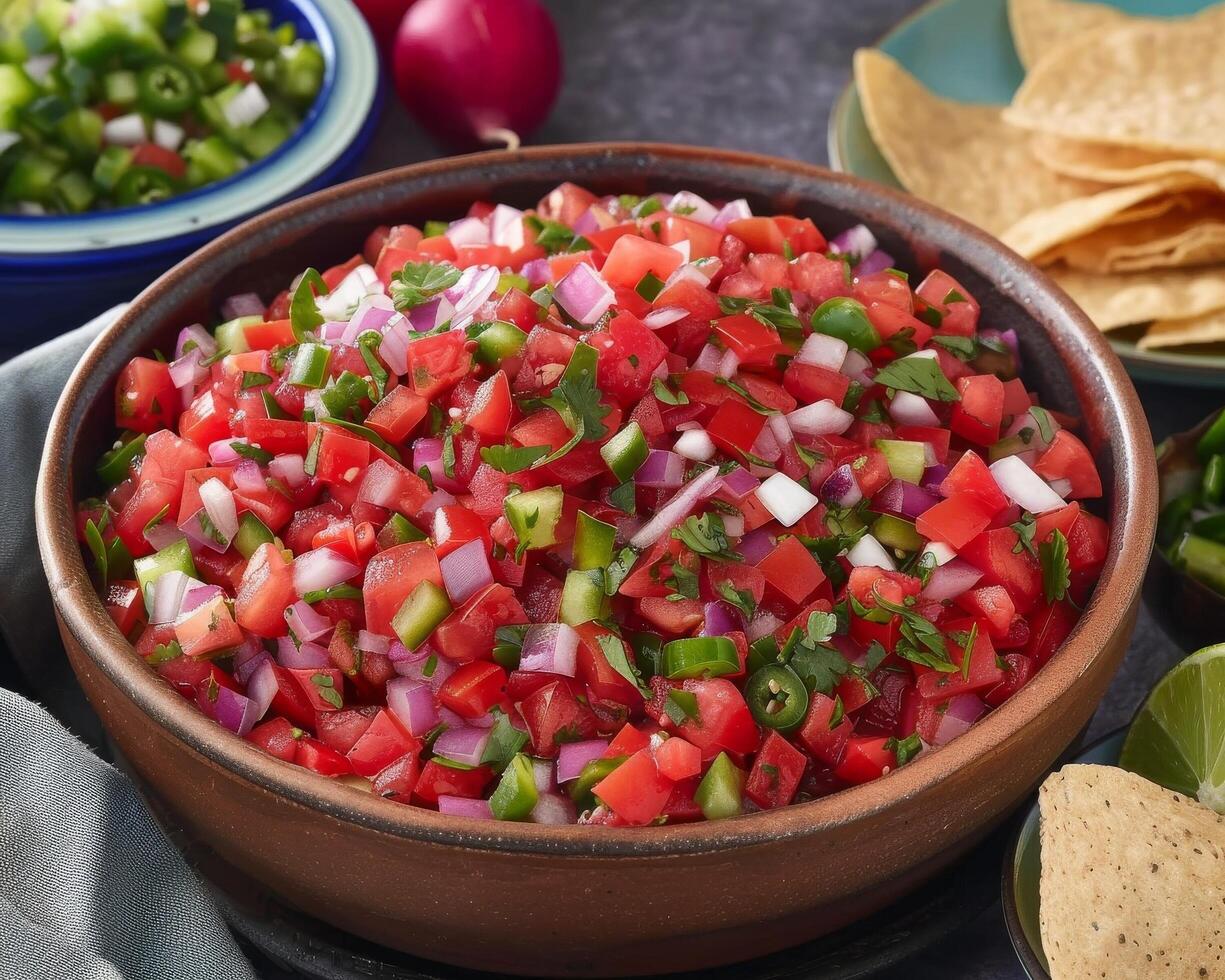
Pico de Gallo: Also known as salsa fresca, this Mexican sauce consists of chopped fresh tomatoes, onions, cilantro, jalapeños, and lime juice. It's similar to salsa but has a chunkier texture and is typically served fresh, not cooked.

Health Information

? Frequently Asked Questions

4 questions
1 Is salsa usually gluten-free?
Salsa is typically gluten-free. Most traditional salsa recipes consist of ingredients like tomatoes, onions, peppers, cilantro, and spices, which do not contain gluten. However, it's always important to check labels or ask about ingredients when purchasing or ordering salsa, as some variations might include additives or flavorings that contain gluten. Homemade salsa is generally a safe bet for those avoiding gluten.
2 Is tostitos salsa celiac safe?
Tostitos salsa is generally considered gluten-free and safe for people with celiac disease. The main ingredients in most Tostitos salsas are vegetables, spices, and seasonings that do not contain gluten. However, it's always important for those with celiac disease to check the label of any product before consuming it, as ingredients and manufacturing processes can change. If you have any doubts, you can contact the manufacturer directly for the most up-to-date information on their products' gluten status.
3 Does pace picante sauce have gluten?
Pace Picante Sauce is generally considered gluten-free. The main ingredients in Pace Picante Sauce do not contain gluten. However, it's always best to check the label for the most up-to-date information. If you have celiac disease or severe gluten sensitivity, you may want to contact the manufacturer directly to confirm their production processes.
4 Does herdez salsa have gluten?
Herdez salsa is generally considered gluten-free. The main ingredients in most Herdez salsas are vegetables, spices, and other naturally gluten-free components. However, it's always best to check the label of the specific product you're interested in, as ingredients can vary between different varieties. If you have celiac disease or severe gluten sensitivity, you may want to contact the manufacturer directly for the most up-to-date information on their gluten-free status.
LIVE GLUTEN-FREE WITHOUT THE FUSS!
Introducing Tolerase® G, clinically proven to reduce up to 86% of gluten in under 10 minutes. Experience the freedom to eat what you love.
SHOP ANTI-GLUTEN PILLS
150mg pure Tolerase® G · Reduces gluten by 86% · Under 10 minutes

Our Expert

Drs. Ilse van Asperen, Orthomolecular Therapist and Nutritional Coach

Drs. Ilse van Asperen

Orthomolecular Therapist, Nutritional Coach & Professional Editor

Drs. Ilse van Asperen is a medical doctor specialising in orthomolecular therapy and nutritional coaching. With a background in public and clinical health research and management, she focuses on addressing the root causes of health issues through diet, gut health, and stress reduction. As a professional editor for Little Helpers, she reviews all gluten-free content to ensure accuracy, safety, and scientific credibility. Read more on Drs. Ilse van Asperen's own website

Our Sources

The information on this page is based on reputable health and nutrition organisations, ensuring accuracy and reliability for anyone following a gluten-free diet. For further details, see the sources below.

Sources

Similar Articles

Back to blog