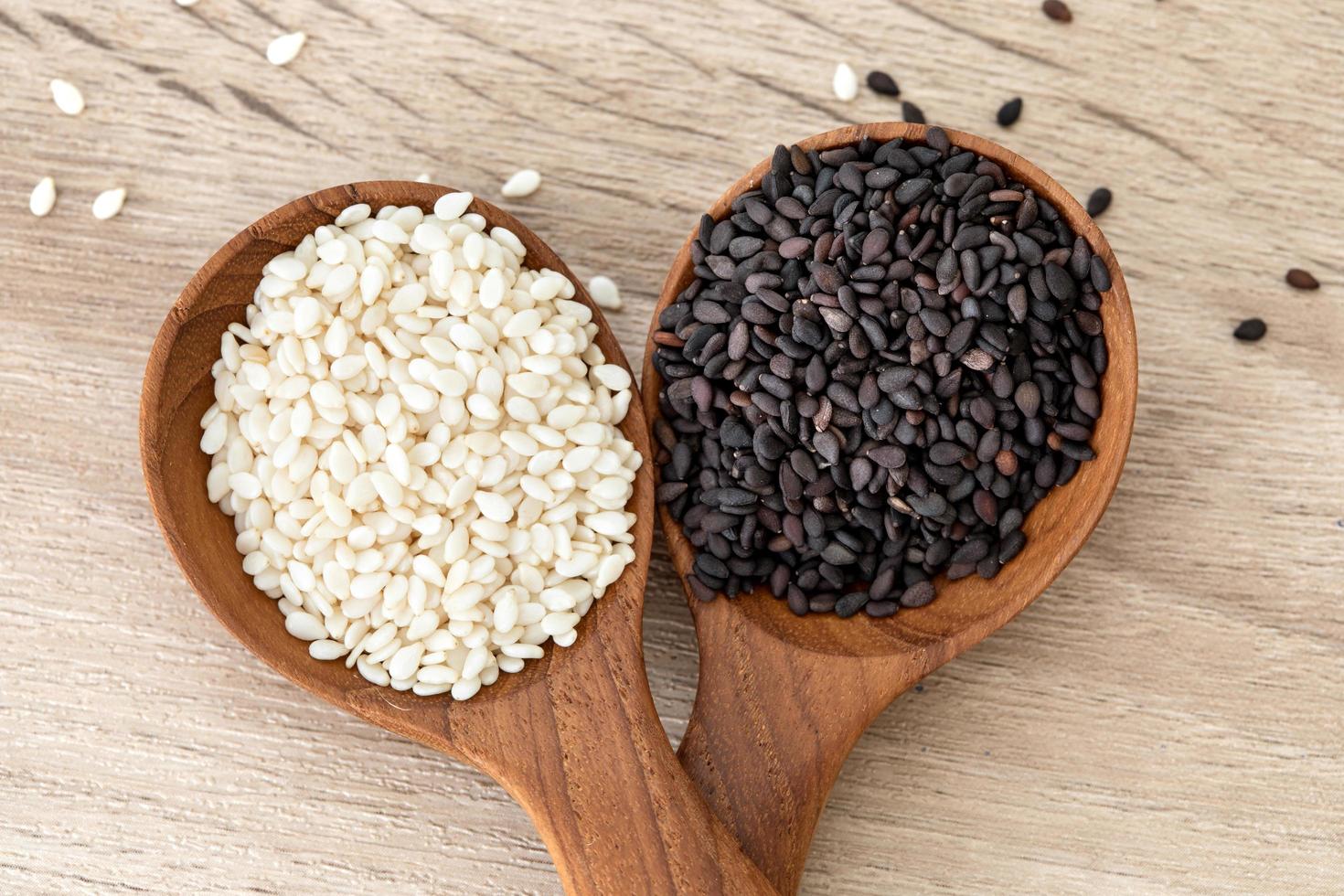
Is Sesame oil Gluten Free?

Is Sesame oil Gluten Free?

Yes, sesame oil is naturally gluten-free. As it’s derived solely from sesame seeds, it does not contain any gluten-containing ingredients, making it safe for those with celiac disease or gluten sensitivity.

TL;DR

Yes, sesame oil is naturally gluten-free. As it’s derived solely from sesame seeds, it does not contain any gluten-containing ingredients, making it safe for those with celiac disease or gluten sensitivity.

Quick Tips

1

Rich in antioxidants, particularly sesamol and sesaminol, that helps in reducing cell damage.

2

May help lower cholesterol and improve heart health

3

Contains anti-inflammatory properties

# In This Article

3 sections

Quick navigation to each section of this article:

1 Benefits of Sesame oil

Rich in antioxidants, particularly sesamol and sesaminol, that helps in reducing cell damage.

Jump
2 Who should avoid Sesame oil

People with sesame allergies: Sesame is one of the top nine food allergens, and those allergic to sesame should avoid all sesame products, including the oil.

Jump
3 Related Gluten Free Products

Here are five similar gluten-free options to sesame oil:

Jump

Benefits of Sesame oil

Benefits of Sesame oil
Rich in antioxidants, particularly sesamol and sesaminol, that helps in reducing cell damage.
May help lower cholesterol and improve heart health
Contains anti-inflammatory properties
Potentially beneficial for managing blood sugar levels in long term
May support bone health due to high calcium content
Could aid in reducing arthritis pain
Possesses antibacterial and antifungal properties
May help improve oral health when used for oil pulling
Potentially beneficial for hair health and growth
Sesame oil may protect against damage from UV rays. Hence can be used as a natural sunscreen (though not as effective as commercial products)
May help in reducing anxiety and depression symptoms
Helps in improving the quality of sleep, when used regularly over forehead.
Could aid in wound healing
May boost the immune system
Potentially helpful in reducing the risk of certain cancers (more research needed)
May help in alleviating constipation when consumedRemember that while sesame oil has many potential benefits, it’s always best to consult with a healthcare professional before using it for medicinal purposes.

Who should avoid Sesame oil

Who should avoid Sesame oil
People with sesame allergies: Sesame is one of the top nine food allergens, and those allergic to sesame should avoid all sesame products, including the oil.
Individuals with a history of anaphylaxis to sesame: These people are at high risk for severe allergic reactions and should strictly avoid sesame oil.
Those with suspected but unconfirmed sesame sensitivity: It’s best to avoid sesame oil until allergy testing can be performed.
People on blood-thinning medications: Sesame oil may have mild anticoagulant properties, potentially interacting with blood thinners.
Individuals with certain digestive conditions: Some people with inflammatory bowel diseases or sensitive digestive systems may find sesame oil irritating.
Those preparing for surgery: Due to its potential blood-thinning effects, it’s often recommended to avoid sesame oil before surgery.
Infants under six months: As with many foods, it’s generally advised to wait before introducing sesame oil to very young babies.
People on a low-fat diet: Sesame oil is high in fat and calories, which may not align with certain dietary restrictions.
Those with a history of oxalate kidney stones: Sesame seeds are high in oxalates, and the oil may retain some of these compounds.Always consult with a healthcare professional or allergist if you have concerns about consuming sesame oil.
ENJOY YOUR FAVORITE FOODS FEARLESSLY!
Don’t let gluten hold you back. Take Anti-Gluten Pills before your meal and enjoy peace of mind.
SHOP ANTI-GLUTEN PILLS
Clinically proven · Up to 86% gluten reduction · Fast acting

Here are five similar gluten-free options to sesame oil:

Related Gluten Free Products
Olive oil- A versatile, heart-healthy oil derived from olives, with a rich, fruity flavor and various grades available (extra virgin, light). It provides polyphenol antioxidants and heart-healthy monounsaturated fats
Avocado oil- A nutrient-dense oil extracted from avocados, with a high smoke point and mild, buttery taste, ideal for high-heat cooking. It’s rich in many antioxidants, including lutein — a compound that’s essential for eye health
Coconut oil- A tropical oil that's solid at room temperature, with a distinct coconut flavor and aroma, often used in baking and as a dairy substitute. It's a rich source of fat and fibre.
Grapeseed oil- A light, neutral-tasting oil pressed from grape seeds, with a high smoke point and suitable for various cooking methods. It’s especially high in polyunsaturated fatty acids and packs a hearty dose of vitamin E.
Walnut oil- A nutty, delicate oil made from walnuts, rich in omega-3 fatty acids and best used in cold applications or as a finishing oilAll of these oils are naturally gluten-free and can be used as alternatives to sesame oil in various recipes, depending on the desired flavor profile and cooking method.

Health Information

? Frequently Asked Questions

1 questions
1 Can a celiac eat sesame oil?
Celiac disease primarily involves an immune reaction to gluten, which is not present in sesame oil. Pure sesame oil is generally considered safe for people with celiac disease to consume. However, it's important to check that the sesame oil is not contaminated with gluten during processing or packaging. As always, individuals with celiac disease should consult their doctor or dietitian for personalized advice.
LIVE GLUTEN-FREE WITHOUT THE FUSS!
Introducing Tolerase® G, clinically proven to reduce up to 86% of gluten in under 10 minutes. Experience the freedom to eat what you love.
SHOP ANTI-GLUTEN PILLS
150mg pure Tolerase® G · Reduces gluten by 86% · Under 10 minutes

Our Expert

Drs. Ilse van Asperen, Orthomolecular Therapist and Nutritional Coach

Drs. Ilse van Asperen

Orthomolecular Therapist, Nutritional Coach & Professional Editor

Drs. Ilse van Asperen is a medical doctor specialising in orthomolecular therapy and nutritional coaching. With a background in public and clinical health research and management, she focuses on addressing the root causes of health issues through diet, gut health, and stress reduction. As a professional editor for Little Helpers, she reviews all gluten-free content to ensure accuracy, safety, and scientific credibility. Read more on Drs. Ilse van Asperen's own website

Our Sources

The information on this page is based on reputable health and nutrition organisations, ensuring accuracy and reliability for anyone following a gluten-free diet. For further details, see the sources below.

Sources

Similar Articles

Back to blog