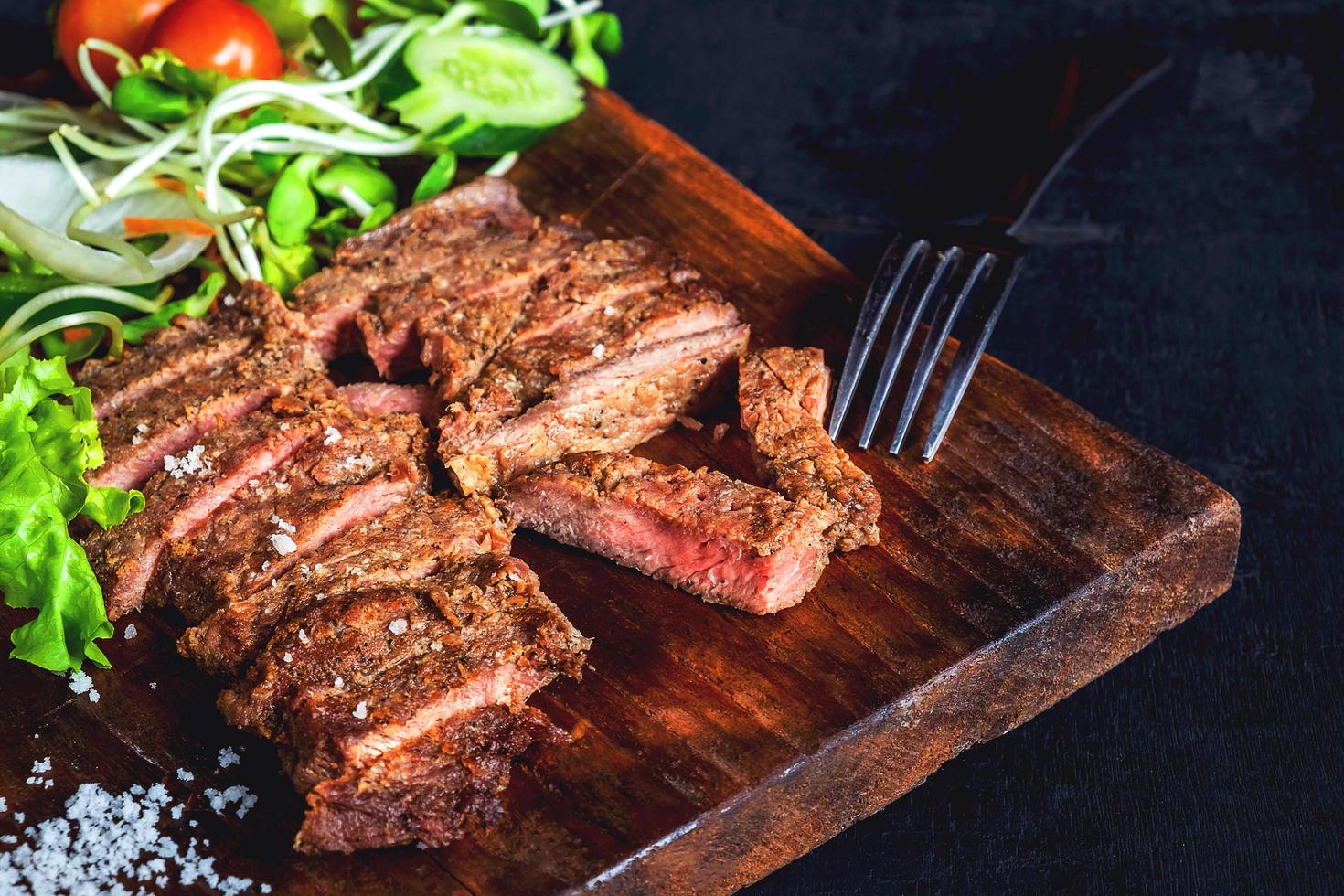
Is Steak Sauce Gluten Free?

Is Steak Sauce Gluten Free?

Most commercially available steak sauces are gluten-free, as they typically don’t contain wheat, barley, or rye ingredients. However, it’s always important to check the label of any specific brand or variety, as some may include gluten-containing additives or be produced in facilities that process gluten products.

TL;DR

Most commercially available steak sauces are gluten-free, as they typically don’t contain wheat, barley, or rye ingredients. However, it’s always important to check the label of any specific brand or variety, as some may include gluten-containing additives or be produced in facilities that process gluten products.

Quick Tips

1

Low in calories: Most steak sauces are relatively low in calories, making them a flavorful option for those watching their calorie intake.

2

Vitamin C: Some steak sauces contain tomatoes or other vegetables, which can provide small amounts of vitamin C.

3

Potential probiotic properties: Certain steak sauces may contain vinegar, which has some probiotic benefits for gut health.

# In This Article

3 sections

Quick navigation to each section of this article:

1 Benefits of Steak Sauce

Low in calories: Most steak sauces are relatively low in calories, making them a flavorful option for those watching their calorie intake.

Jump
2 Who should avoid Steak Sauce

Individuals with high blood pressure or hypertension, due to the high sodium content in many steak sauces

Jump
3 Related Gluten Free Products

Here are five gluten-free options similar to Steak Sauce, along with short descriptions:

Jump

Benefits of Steak Sauce

Benefits of Steak Sauce
Low in calories: Most steak sauces are relatively low in calories, making them a flavorful option for those watching their calorie intake.
Vitamin C: Some steak sauces contain tomatoes or other vegetables, which can provide small amounts of vitamin C.
Potential probiotic properties: Certain steak sauces may contain vinegar, which has some probiotic benefits for gut health.
Flavor enhancement: Steak sauce can make lean meats more palatable, potentially encouraging the consumption of protein-rich foods.
Sodium: While high sodium isn’t typically beneficial, it can help replace electrolytes for very active individuals.
Potential antioxidants: Depending on the ingredients, some steak sauces may contain small amounts of antioxidants from spices or vegetables.
Iron absorption: The acidity in steak sauce may help with iron absorption when consumed with iron-rich foods.It’s important to note that these benefits are minimal, and steak sauce should be consumed in moderation due to its often high sodium and sugar content. The primary purpose of steak sauce is to enhance flavor rather than provide significant nutritional benefits.

Who should avoid Steak Sauce

Who should avoid Steak Sauce
Individuals with high blood pressure or hypertension, due to the high sodium content in many steak sauces
People with gastrointestinal issues or acid reflux, as the acidity in steak sauce may exacerbate symptoms
Those on a low-sodium diet for health reasons
Individuals with allergies to common ingredients found in steak sauce, such as tomatoes, vinegar, or certain spices
People with diabetes, as some steak sauces contain added sugars
Those following a strict low-calorie diet, as steak sauce can add unnecessary calories to a meal
Individuals with histamine intolerance, as some ingredients in steak sauce may trigger reactions
People trying to reduce their intake of processed foods
Those with certain food intolerances or sensitivities to ingredients commonly found in steak sauce
Individuals following specific diets that restrict condiments or added sauces (e.g., some whole food diets)
People with certain medical conditions that require them to limit their intake of specific ingredients found in steak sauceRemember that these are general guidelines, and individual dietary needs may vary. It’s always best to consult with a healthcare professional or registered dietitian for personalized advice.
ENJOY YOUR FAVORITE FOODS FEARLESSLY!
Don’t let gluten hold you back. Take Anti-Gluten Pills before your meal and enjoy peace of mind.
SHOP ANTI-GLUTEN PILLS
Clinically proven · Up to 86% gluten reduction · Fast acting

Here are five gluten-free options similar to Steak Sauce, along with short descriptions:

Related Gluten Free Products
Balsamic Glaze: A sweet and tangy reduction of balsamic vinegar, often used as a drizzle for meats, vegetables, and salads. It provides a rich, complex flavor with a hint of sweetness.
Chimichurri Sauce: An Argentinian herb-based sauce made with parsley, garlic, olive oil, and vinegar. It's bright, fresh, and slightly spicy, perfect for grilled meats and vegetables.
Mushroom Sauce: A rich, savory sauce made from sautéed mushrooms, herbs, and sometimes cream. It adds depth and umami flavor to steaks and other meat dishes.
Horseradish Cream: A zesty, creamy sauce made from grated horseradish root, sour cream, and sometimes mayonnaise. It provides a sharp, spicy kick that complements red meats well.
Red Wine Reduction: A luxurious sauce made by simmering red wine with aromatics until it thickens. It offers a deep, complex flavor that pairs excellently with steak and other rich meats.Remember to always check labels or make these sauces from scratch to ensure they are truly gluten-free.

Health Information

? Frequently Asked Questions

4 questions
1 Is A1 steak sauce celiac safe?
A1 Steak Sauce is generally considered gluten-free and safe for people with celiac disease. The manufacturer, Kraft Heinz, does not list any gluten-containing ingredients in the product. However, it's always wise for those with celiac disease to check the label for any changes in ingredients or manufacturing processes. If you're extremely sensitive, you may want to contact the manufacturer directly for the most up-to-date information.
2 What sauces can celiacs eat?
Celiacs can safely consume many gluten-free sauces, including tomato-based sauces, most vinaigrettes, and pure oils. They can also enjoy sauces made from gluten-free ingredients like herbs, spices, fruits, and vegetables. However, celiacs should be cautious with soy sauce, which often contains wheat, and should opt for gluten-free tamari instead. It's essential for celiacs to always check labels and ingredients to ensure sauces are free from gluten-containing additives or thickeners.
3 Is Steak OK for gluten-free?
Yes, steak is generally safe for a gluten-free diet. Plain, unprocessed steak does not contain gluten. However, it's important to be cautious about marinades, seasonings, or sauces that may be added to the steak, as these could potentially contain gluten. Always check ingredient labels or ask about preparation methods when dining out to ensure the steak remains gluten-free.
4 Is Heinz 57 steak sauce gluten-free?
Heinz 57 steak sauce is generally considered gluten-free. The company does not explicitly label it as gluten-free on the packaging. However, none of the listed ingredients contain gluten. It's always best to check the most current ingredient list or contact the manufacturer directly if you have severe gluten sensitivities.
LIVE GLUTEN-FREE WITHOUT THE FUSS!
Introducing Tolerase® G, clinically proven to reduce up to 86% of gluten in under 10 minutes. Experience the freedom to eat what you love.
SHOP ANTI-GLUTEN PILLS
150mg pure Tolerase® G · Reduces gluten by 86% · Under 10 minutes

Our Expert

Drs. Ilse van Asperen, Orthomolecular Therapist and Nutritional Coach

Drs. Ilse van Asperen

Orthomolecular Therapist, Nutritional Coach & Professional Editor

Drs. Ilse van Asperen is a medical doctor specialising in orthomolecular therapy and nutritional coaching. With a background in public and clinical health research and management, she focuses on addressing the root causes of health issues through diet, gut health, and stress reduction. As a professional editor for Little Helpers, she reviews all gluten-free content to ensure accuracy, safety, and scientific credibility. Read more on Drs. Ilse van Asperen's own website

Our Sources

The information on this page is based on reputable health and nutrition organisations, ensuring accuracy and reliability for anyone following a gluten-free diet. For further details, see the sources below.
Sources

Similar Articles

Back to blog