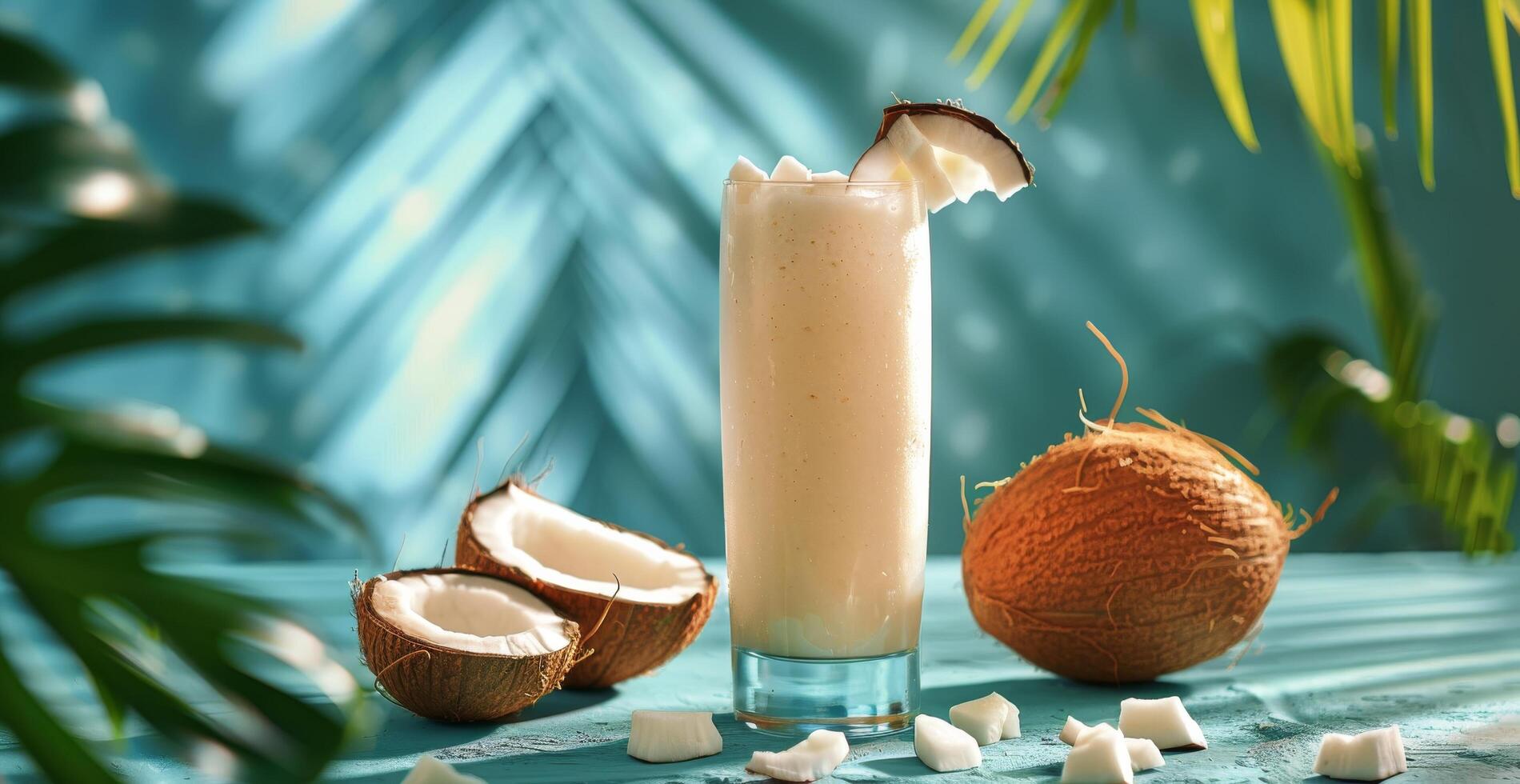
Is Sweetened Coconut Gluten Free?

Is Sweetened Coconut Gluten Free?

Yes, sweetened coconut is typically gluten-free. Coconut itself does not contain gluten, and the sweetening process generally does not introduce gluten-containing ingredients.

TL;DR

Yes, sweetened coconut is typically gluten-free. Coconut itself does not contain gluten, and the sweetening process generally does not introduce gluten-containing ingredients.

Quick Tips

1

Source of fiber: Coconut contains dietary fiber, which aids digestion and promotes feelings of fullness.

2

Provides quick energy: The natural sugars and added sweeteners offer a quick energy boost.

3

Contains some minerals: Coconut provides small amounts of iron, zinc, and manganese.

# In This Article

3 sections

Quick navigation to each section of this article:

1 Benefits of Sweetened Coconut

Source of fiber: Coconut contains dietary fiber, which aids digestion and promotes feelings of fullness.

Jump
2 Who should avoid Sweetened Coconut

Individuals with diabetes or pre-diabetes, due to its high sugar content

Jump
3 Related Gluten Free Products

Here are five similar gluten-free options to Sweetened Coconut, along with short descriptions:

Jump

Benefits of Sweetened Coconut

Benefits of Sweetened Coconut
Source of fiber: Coconut contains dietary fiber, which aids digestion and promotes feelings of fullness.
Provides quick energy: The natural sugars and added sweeteners offer a quick energy boost.
Contains some minerals: Coconut provides small amounts of iron, zinc, and manganese.
May support heart health: Some studies suggest coconut may help improve cholesterol ratios, though more research is needed.
Offers medium-chain triglycerides (MCTs): These fats are metabolized differently and may support weight management.
Potential antioxidant properties: Coconut contains compounds that may help fight oxidative stress.
May boost immune function: Some compounds in coconut have antimicrobial properties.
Can be a gluten-free option: Suitable for those with gluten sensitivities or celiac disease.
Provides some vitamins: Contains small amounts of B-vitamins and vitamin C.
It’s important to note that sweetened coconut is high in calories and added sugars, so it should be consumed in moderation as part of a balanced diet. The health benefits of unsweetened coconut may be more pronounced.

Who should avoid Sweetened Coconut

Who should avoid Sweetened Coconut
Individuals with diabetes or pre-diabetes, due to its high sugar content
People trying to lose weight or maintain a healthy weight
Those following a low-carb or ketogenic diet
Individuals with high triglycerides or at risk for heart disease
People with digestive issues or sensitivity to high-fat foods
Those with coconut allergies
Individuals following a low FODMAP diet (due to the high fructose content in sweetened coconut)
People with dental issues or at high risk for tooth decay
Individuals with gallbladder problems or those who have had their gallbladder removed
Those on a low-calorie diet
People with fatty liver disease or at risk for developing it
Individuals with pancreatitis or at risk for developing itRemember, it’s always best to consult with a healthcare professional or registered dietitian for personalized advice based on individual health conditions and dietary needs.
ENJOY YOUR FAVORITE FOODS FEARLESSLY!
Don’t let gluten hold you back. Take Anti-Gluten Pills before your meal and enjoy peace of mind.
SHOP ANTI-GLUTEN PILLS
Clinically proven · Up to 86% gluten reduction · Fast acting

Here are five similar gluten-free options to Sweetened Coconut, along with short descriptions:

Related Gluten Free Products
Dried Fruit: A variety of fruits like raisins, cranberries, or apricots that have been dehydrated. They offer natural sweetness and chewy texture, perfect for snacking or baking.
Candied Nuts: Nuts such as almonds, pecans, or walnuts coated in a sweet, crunchy glaze. They provide a satisfying crunch and sweetness, ideal for topping desserts or eating on their own.
Chocolate Chips: Small morsels of chocolate, available in various flavors like dark, milk, or white chocolate. They're great for baking or as a sweet addition to trail mixes.
Sweetened Shredded Carrots: Finely shredded carrots that have been lightly sweetened. They offer a natural sweetness with added fiber and nutrients, suitable for baking or as a topping.
Candied Ginger: Small pieces of ginger that have been cooked in sugar syrup and coated with crystallized sugar. It provides a spicy-sweet flavor and chewy texture, perfect for snacking or adding to baked goods.

Health Information

? Frequently Asked Questions

4 questions
1 Are Great Value Sweetened Coconut Flakes gluten free?
Great Value Sweetened Coconut Flakes are generally considered gluten-free. Coconut itself does not contain gluten. However, it's always important to check the label for any potential cross-contamination warnings. If you have celiac disease or severe gluten sensitivity, it's best to contact the manufacturer directly for the most up-to-date information on their production processes.
2 Is Kroger flaked coconut sweetened gluten free?
Kroger flaked coconut is typically sweetened. Most flaked coconut products, including Kroger's, are naturally gluten-free. However, it's always best to check the specific product label to confirm. If you have celiac disease or a gluten sensitivity, look for a "gluten-free" label or contact Kroger directly for the most up-to-date information.
3 Is sweetened condensed coconut milk gluten free?
Sweetened condensed coconut milk is typically gluten-free. It is usually made from just coconut milk and sugar, neither of which contain gluten. However, it's always best to check the label of the specific product you're using to be certain. Some brands may add other ingredients or process their product in facilities that also handle gluten-containing foods, which could introduce a risk of cross-contamination.
4 Is there gluten in Coconut Sugar?
Coconut sugar is naturally gluten-free. It is made from the sap of coconut palm trees and does not contain any wheat, barley, rye, or other gluten-containing ingredients. However, as with any food product, there is always a small risk of cross-contamination during processing or packaging. If you have celiac disease or severe gluten sensitivity, it's best to choose coconut sugar that is specifically labeled as gluten-free to ensure it has been tested for any potential cross-contamination.
LIVE GLUTEN-FREE WITHOUT THE FUSS!
Introducing Tolerase® G, clinically proven to reduce up to 86% of gluten in under 10 minutes. Experience the freedom to eat what you love.
SHOP ANTI-GLUTEN PILLS
150mg pure Tolerase® G · Reduces gluten by 86% · Under 10 minutes

Our Expert

Drs. Ilse van Asperen, Orthomolecular Therapist and Nutritional Coach

Drs. Ilse van Asperen

Orthomolecular Therapist, Nutritional Coach & Professional Editor

Drs. Ilse van Asperen is a medical doctor specialising in orthomolecular therapy and nutritional coaching. With a background in public and clinical health research and management, she focuses on addressing the root causes of health issues through diet, gut health, and stress reduction. As a professional editor for Little Helpers, she reviews all gluten-free content to ensure accuracy, safety, and scientific credibility. Read more on Drs. Ilse van Asperen's own website

Our Sources

The information on this page is based on reputable health and nutrition organisations, ensuring accuracy and reliability for anyone following a gluten-free diet. For further details, see the sources below.

Sources

Similar Articles

Back to blog