Share
TL;DR
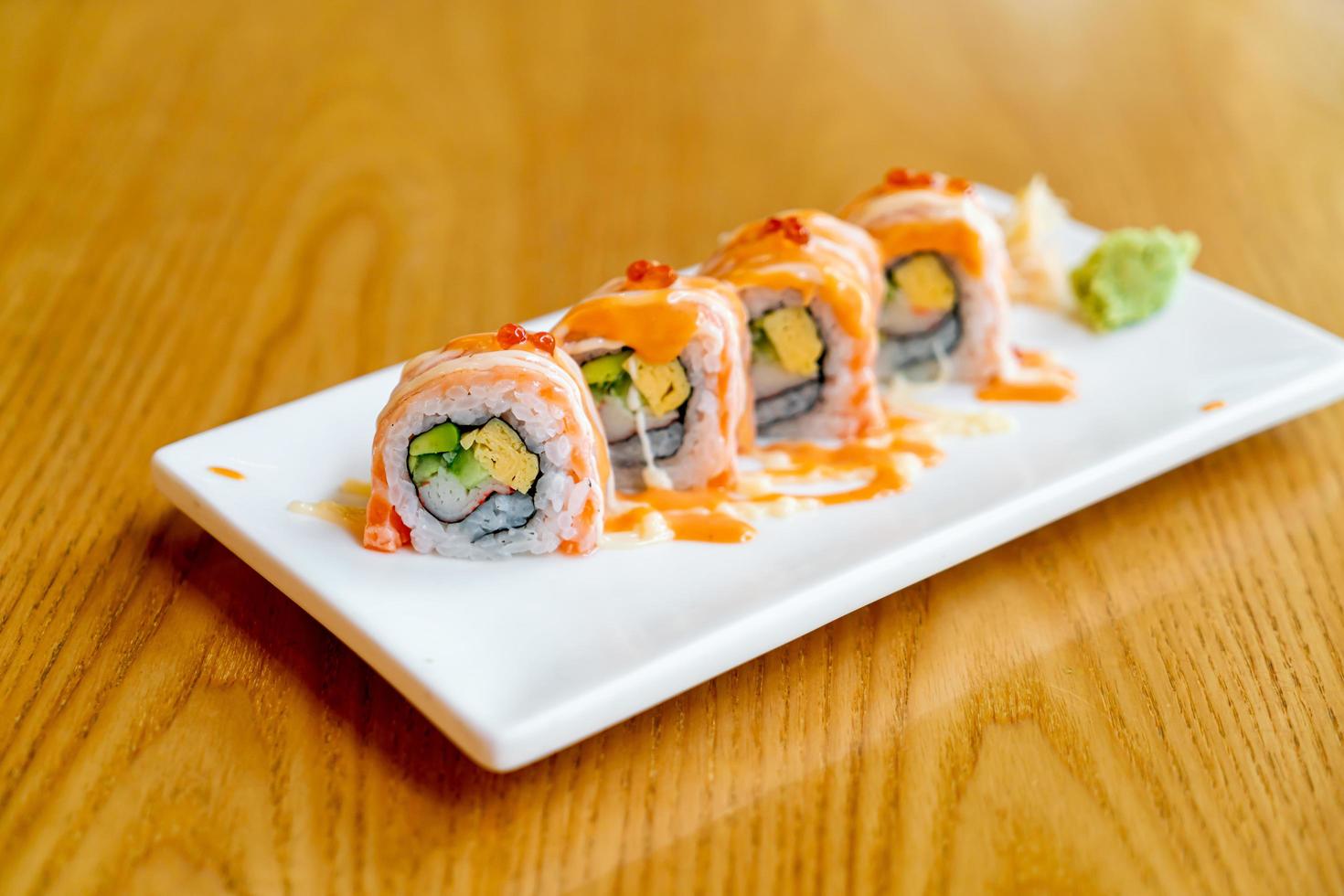
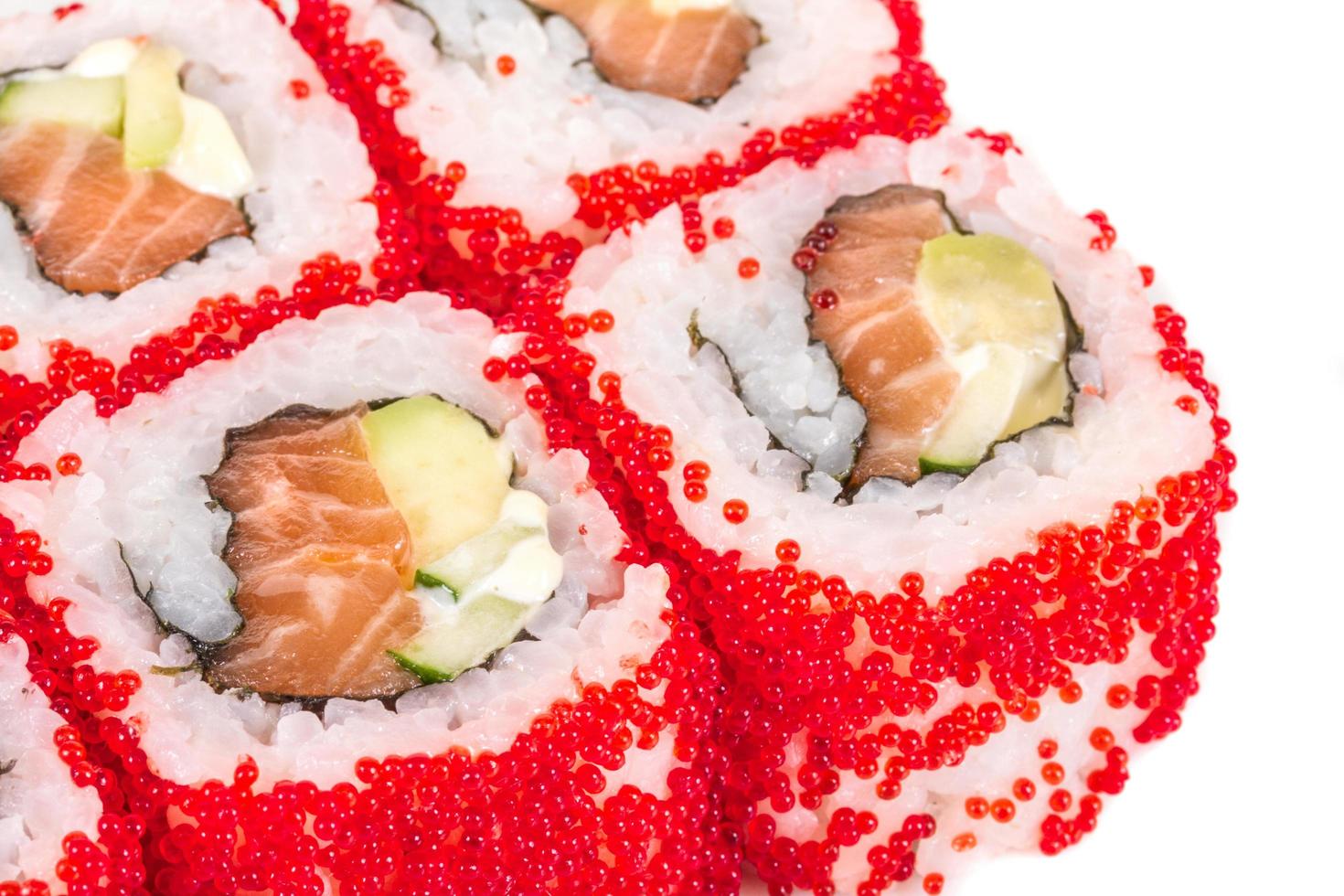
A traditional California roll is typically gluten-free as it usually contains rice, nori (seaweed), cucumber, avocado, and imitation crab meat. However, it’s important to note that some restaurants may use imitation crab meat containing wheat, or they might add soy sauce (which often contains gluten) to the rice, so it’s always best to check with the specific restaurant or sushi chef to be certain.
Quick Tips
1Low in calories: A typical California Roll contains around 200-250 calories, making it a relatively light meal option.
2Good source of protein: The imitation crab meat (surimi) provides a lean protein source.
3Rich in omega-3 fatty acids: The avocado and small amount of fish in surimi contribute healthy fats.
# In This Article
3 sectionsQuick navigation to each section of this article:
1 Benefits of A California Roll
Low in calories: A typical California Roll contains around 200-250 calories, making it a relatively light meal option.
Jump2 Who should avoid A California Roll
Pregnant women: Due to the risk of foodborne illness from raw or undercooked seafood.
Jump3 Gluten Free Alternatives
Here are five gluten-free alternatives to a California Roll, along with short descriptions for each:
JumpBenefits of A California Roll
| Benefits of A California Roll |
|---|
| Low in calories: A typical California Roll contains around 200-250 calories, making it a relatively light meal option. |
| Good source of protein: The imitation crab meat (surimi) provides a lean protein source. |
| Rich in omega-3 fatty acids: The avocado and small amount of fish in surimi contribute healthy fats. |
| Provides essential vitamins and minerals: Nori (seaweed) is rich in iodine, vitamin B12, and other minerals. |
| Contains fiber: The avocado and cucumber provide dietary fiber, which aids digestion. |
| Low in saturated fat: Compared to many other sushi rolls, California Rolls are relatively low in saturated fat. |
| Offers complex carbohydrates: The sushi rice provides energy and helps maintain blood sugar levels. |
| Includes vegetables: Cucumber adds vitamins and hydration. |
| Moderate sodium content: While not sodium-free, it’s lower in sodium compared to many processed foods. |
| Can be part of a balanced diet: When consumed in moderation, it can contribute to a varied and nutritious eating plan.Remember that the health benefits can vary depending on preparation methods and specific ingredients used. |
Who should avoid A California Roll
| Who should avoid A California Roll |
|---|
| Pregnant women: Due to the risk of foodborne illness from raw or undercooked seafood. |
| People with seafood allergies: Especially those allergic to crab or other shellfish. |
| Individuals with compromised immune systems: They may be more susceptible to foodborne illnesses. |
| Those with soy allergies: California Rolls often contain soy sauce or other soy-based ingredients. |
| People with gluten sensitivities or celiac disease: If soy sauce or other gluten-containing ingredients are used. |
| Individuals on a low-sodium diet: Due to the salt content in soy sauce and other seasonings. |
| Those with avocado allergies: As avocado is a key ingredient in California Rolls. |
| People with seaweed sensitivities: The nori wrap may cause issues for some individuals. |
| Vegans and strict vegetarians: Traditional California Rolls contain seafood (imitation crab meat). |
| Those following certain religious dietary restrictions: Some may avoid seafood or specific ingredients.Remember, these are general guidelines, and individual dietary needs may vary. Always consult with a healthcare professional for personalized advice. |
Gluten Free Alternatives
Here are five gluten-free alternatives to a California Roll, along with short descriptions for each:
| Gluten Free Alternatives |
|---|
| Cucumber Wrapped Sushi: Instead of using rice and nori, this alternative uses thin cucumber slices to wrap around fresh fish, avocado, and other fillings. It's low-carb, refreshing, and provides a satisfying crunch. |
| Cauliflower Rice Sushi: This option replaces traditional sushi rice with finely chopped cauliflower "rice." It's mixed with rice vinegar and other seasonings to mimic the texture and flavor of sushi rice, then rolled with typical California Roll ingredients. |
| Quinoa Sushi Rolls: Quinoa, a gluten-free grain, is used as a substitute for rice. It's prepared similarly to sushi rice and provides a protein-rich base for the roll, which can be filled with typical California Roll ingredients. |
| Nori Wrapped Hand Rolls: These cone-shaped rolls use larger sheets of nori to wrap around fillings without rice. They're often filled with vegetables, fish, and avocado, providing a similar taste profile to California Rolls but without any grains. |
| Rice Paper Rolls: Also known as summer rolls, these use soft, translucent rice paper wrappers instead of nori. They're typically filled with fresh vegetables, avocado, and proteins like crab or shrimp, offering a light and refreshing alternative to traditional sushi. |
Health Information
? Frequently Asked Questions
4 questions1 Do California rolls have gluten in them?
2 What sushi rolls are typically gluten-free?
3 Is crab stick gluten-free?
4 Is soy sauce gluten free?
Our Expert
Drs. Ilse van Asperen
Orthomolecular Therapist, Nutritional Coach & Professional Editor
Drs. Ilse van Asperen is a medical doctor specialising in orthomolecular therapy and nutritional coaching. With a background in public and clinical health research and management, she focuses on addressing the root causes of health issues through diet, gut health, and stress reduction. As a professional editor for Little Helpers, she reviews all gluten-free content to ensure accuracy, safety, and scientific credibility. Read more on Drs. Ilse van Asperen's own website
Our Sources
The information on this page is based on reputable health and nutrition organisations, ensuring accuracy and reliability for anyone following a gluten-free diet. For further details, see the sources below.