Share
TL;DR
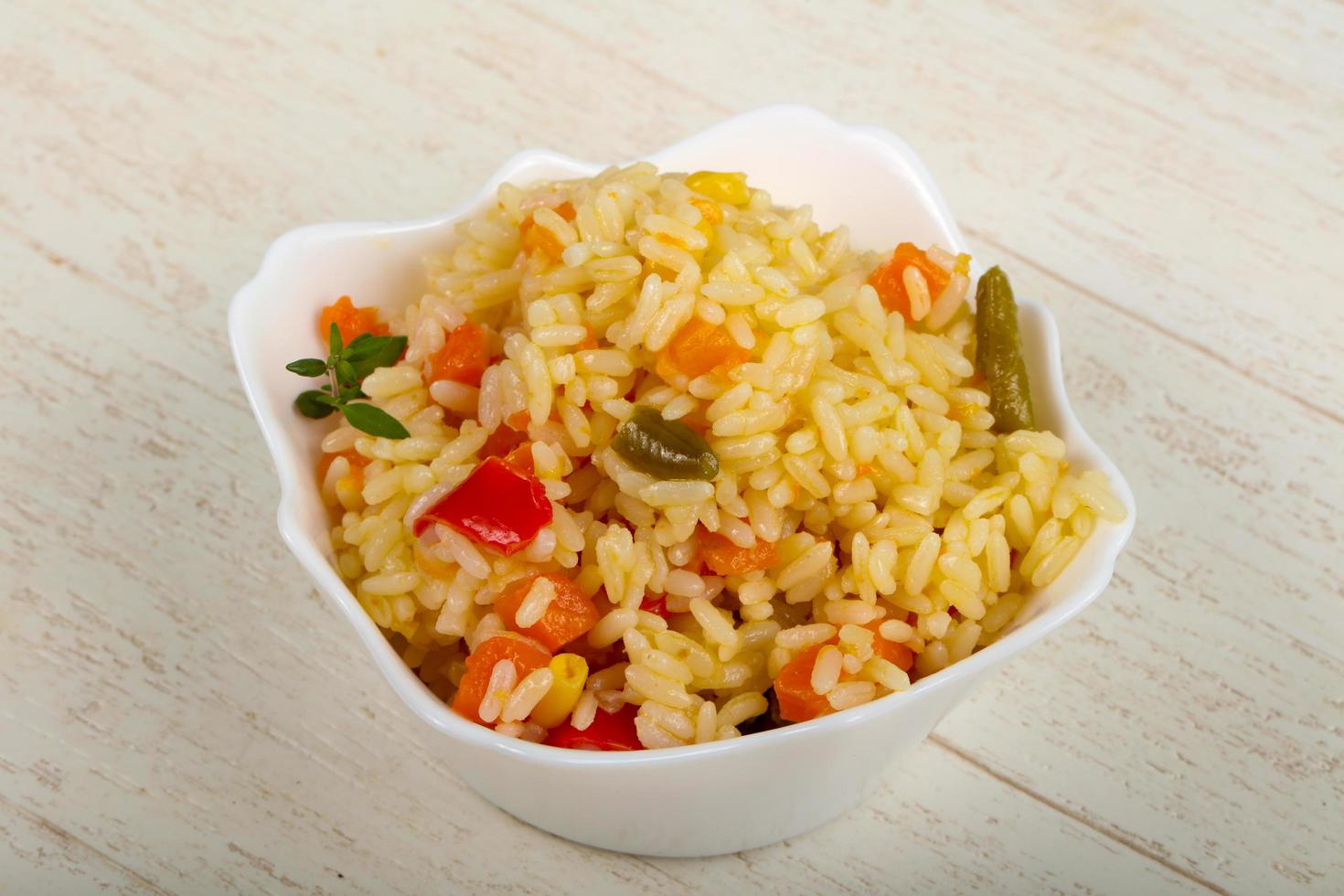
Pilaf, which is traditionally made with rice, is typically gluten-free. However, it’s important to check the specific recipe or ingredients used, as some variations might include gluten-containing ingredients or be prepared in environments where cross-contamination could occur.
Quick Tips
1Balanced nutrition: Pilaf often combines grains, vegetables, and sometimes meat, providing a well-rounded meal with various nutrients.
2Complex carbohydrates: The rice or other grains used in pilaf provide complex carbohydrates, which offer sustained energy.
3Fiber: Whole grain versions of pilaf are high in dietary fiber, which aids digestion and promotes gut health.
# In This Article
3 sectionsQuick navigation to each section of this article:
1 Benefits of Pilaf
Balanced nutrition: Pilaf often combines grains, vegetables, and sometimes meat, providing a well-rounded meal with various nutrients.
Jump2 Who should avoid Pilaf
People with celiac disease or gluten sensitivity (if the pilaf contains wheat-based ingredients)
Jump3 Related Gluten Free Products
Here are five gluten-free options similar to Pilaf, along with short descriptions:
JumpBenefits of Pilaf
| Benefits of Pilaf |
|---|
| Balanced nutrition: Pilaf often combines grains, vegetables, and sometimes meat, providing a well-rounded meal with various nutrients. |
| Complex carbohydrates: The rice or other grains used in pilaf provide complex carbohydrates, which offer sustained energy. |
| Fiber: Whole grain versions of pilaf are high in dietary fiber, which aids digestion and promotes gut health. |
| Vitamins and minerals: Vegetables and spices in pilaf contribute essential vitamins and minerals. |
| Protein: When made with meat or legumes, pilaf can be a good source of protein. |
| Heart health: Using healthy oils and incorporating vegetables can support cardiovascular health. |
| Weight management: The fiber and protein content can help with feeling full and satisfied, potentially aiding in weight control. |
| Antioxidants: Spices and herbs used in pilaf often have antioxidant properties. |
| Low in fat: When prepared with minimal oil, pilaf can be a low-fat meal option. |
| Versatility: The ability to incorporate various ingredients allows for meeting different nutritional needs. |
| Gluten-free option: When made with rice or other gluten-free grains, it’s suitable for those with gluten sensitivities.Remember that the exact health benefits can vary depending on the specific ingredients and preparation method used. |
Who should avoid Pilaf
| Who should avoid Pilaf |
|---|
| People with celiac disease or gluten sensitivity (if the pilaf contains wheat-based ingredients) |
| Individuals on a low-carb diet (as pilaf is typically rice-based) |
| Those with specific food allergies to ingredients commonly found in pilaf (e.g., nuts, certain spices) |
| People on a low-sodium diet (if the pilaf is prepared with high amounts of salt) |
| Individuals with diabetes who need to carefully monitor their carbohydrate intake |
| Those following a grain-free diet |
| People with specific religious or cultural dietary restrictions that prohibit certain ingredients commonly used in pilaf |
| Individuals with IBS or other digestive issues who find that rice or certain spices trigger their symptomsIt’s important to note that pilaf recipes can vary widely, so the specific ingredients should always be checked for any potential issues related to individual dietary needs or restrictions. |
Related Gluten Free Products
Here are five gluten-free options similar to Pilaf, along with short descriptions:
| Related Gluten Free Products |
|---|
| Quinoa: A nutrient-rich, high-protein grain-like seed that cooks quickly and has a slightly nutty flavor. It can be prepared similarly to rice and used as a base for various dishes. |
| Cauliflower Rice: A low-carb alternative made by grating or processing cauliflower into rice-sized pieces. It can be sautéed and seasoned to mimic traditional rice dishes. |
| Buckwheat Groats: Despite the name, buckwheat is gluten-free and not related to wheat. These nutty, earthy-flavored seeds can be cooked like rice and used in pilafs or as a side dish. |
| Millet: A small, round grain with a mild, slightly sweet flavor. It's versatile and can be cooked to different consistencies, from fluffy like rice to creamy like porridge. |
| Sorghum: An ancient cereal grain with a chewy texture and slightly sweet taste. It can be cooked like rice or quinoa and used in pilafs, salads, and as a side dish. |
Health Information
? Frequently Asked Questions
4 questions1 Does pilaf have gluten?
2 What kind of rice is gluten-free?
3 What grain is pilaf made of?
4 Is boxed rice pilaf gluten-free?
Our Expert
Drs. Ilse van Asperen
Orthomolecular Therapist, Nutritional Coach & Professional Editor
Drs. Ilse van Asperen is a medical doctor specialising in orthomolecular therapy and nutritional coaching. With a background in public and clinical health research and management, she focuses on addressing the root causes of health issues through diet, gut health, and stress reduction. As a professional editor for Little Helpers, she reviews all gluten-free content to ensure accuracy, safety, and scientific credibility. Read more on Drs. Ilse van Asperen's own website
Our Sources
The information on this page is based on reputable health and nutrition organisations, ensuring accuracy and reliability for anyone following a gluten-free diet. For further details, see the sources below.