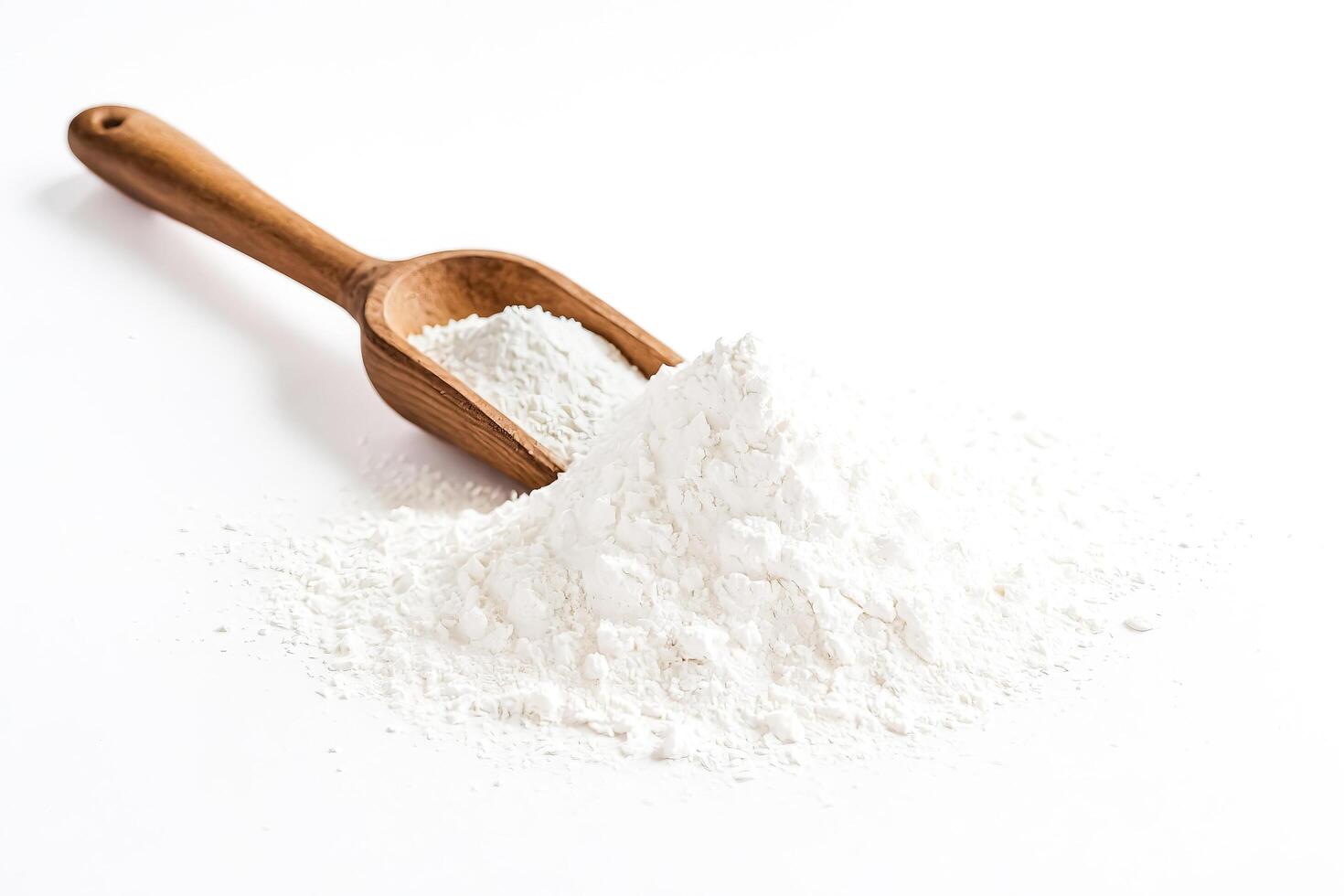
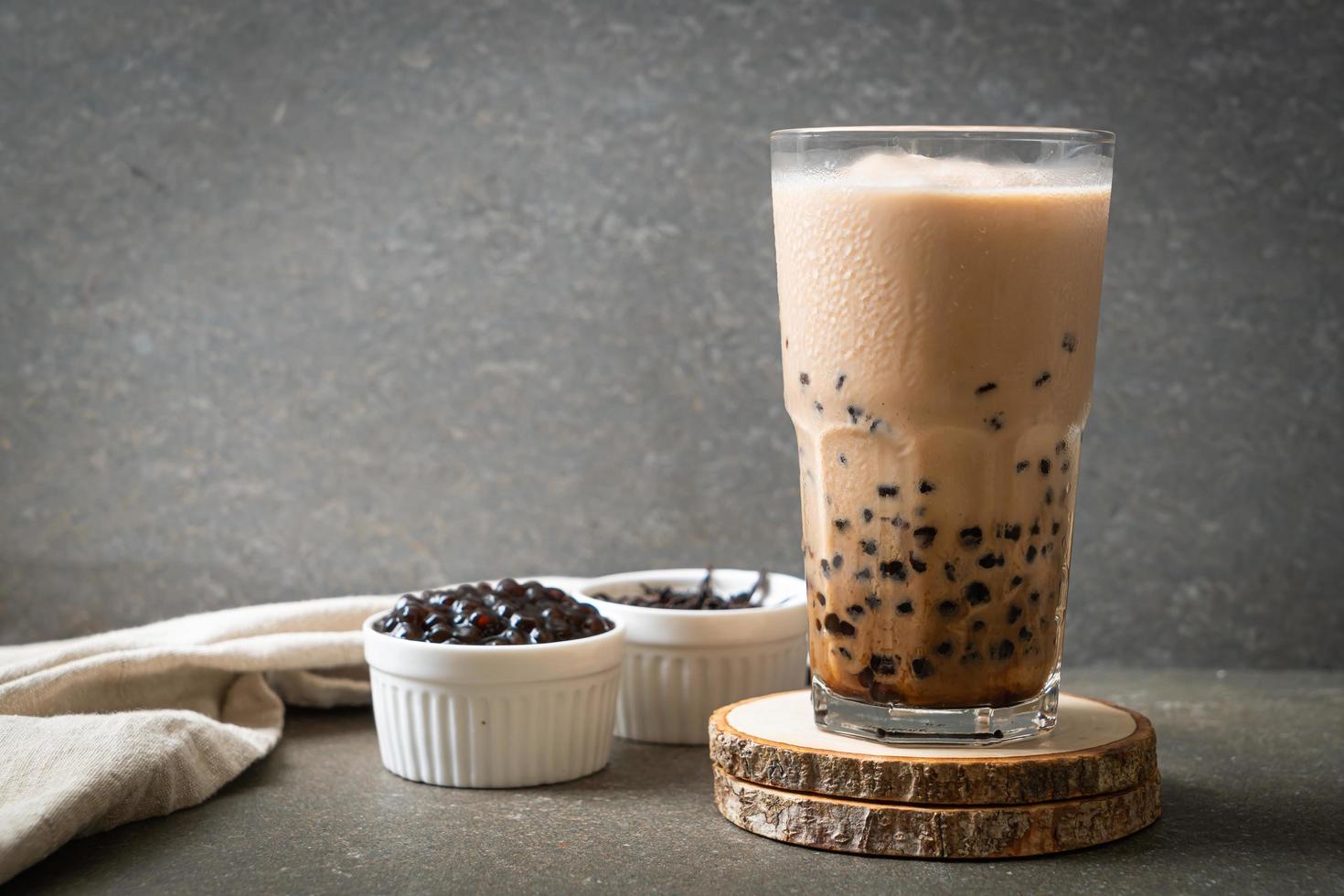
Is Tapioca Pudding Gluten Free?

Is Tapioca Pudding Gluten Free?

Tapioca pudding is typically gluten-free, as its main ingredients are tapioca pearls (derived from cassava root), milk, sugar, and eggs, none of which contain gluten. However, it’s always important to check the specific ingredients and manufacturing processes of store-bought versions, as some brands may add gluten-containing additives or process their pudding in facilities that handle gluten products.

TL;DR

Tapioca pudding is typically gluten-free, as its main ingredients are tapioca pearls (derived from cassava root), milk, sugar, and eggs, none of which contain gluten. However, it’s always important to check the specific ingredients and manufacturing processes of store-bought versions, as some brands may add gluten-containing additives or process their pudding in facilities that handle gluten products.

Quick Tips

1

Low in fat: Traditional tapioca pudding recipes are typically low in fat, making it a lighter dessert option.

2

Gluten-free: Tapioca is naturally gluten-free, making it suitable for people with celiac disease or gluten sensitivity.

3

Easy to digest: Tapioca is known for being gentle on the digestive system and can be a good option for those with sensitive stomachs.

# In This Article

3 sections

Quick navigation to each section of this article:

1 Benefits of Tapioca Pudding

Low in fat: Traditional tapioca pudding recipes are typically low in fat, making it a lighter dessert option.

Jump
2 Who should avoid Tapioca Pudding

Individuals with a cassava or tapioca allergy

Jump
3 Related Gluten Free Products

Here are five gluten-free options similar to Tapioca Pudding, along with short descriptions:

Jump

Benefits of Tapioca Pudding

Benefits of Tapioca Pudding
Low in fat: Traditional tapioca pudding recipes are typically low in fat, making it a lighter dessert option.
Gluten-free: Tapioca is naturally gluten-free, making it suitable for people with celiac disease or gluten sensitivity.
Easy to digest: Tapioca is known for being gentle on the digestive system and can be a good option for those with sensitive stomachs.
Source of carbohydrates: Tapioca provides quick energy as it’s rich in carbohydrates.
Calcium and vitamin D: When made with milk, tapioca pudding can be a good source of calcium and vitamin D, supporting bone health.
Iron content: Tapioca contains small amounts of iron, which is essential for blood health.
Low in sodium: Tapioca pudding is generally low in sodium, which can be beneficial for heart health.
Manganese: Tapioca contains manganese, a mineral that supports bone health and wound healing.
Cholesterol-free: Pure tapioca is cholesterol-free, though added ingredients may change this.
Can be made with healthier alternatives: Tapioca pudding can be prepared with plant-based milks or natural sweeteners for added health benefits.Remember that the nutritional value can vary depending on the recipe and ingredients used.

Who should avoid Tapioca Pudding

Who should avoid Tapioca Pudding
Individuals with a cassava or tapioca allergy
People with latex allergy (due to potential cross-reactivity)
Those with diabetes or on a low-sugar diet (due to high carbohydrate content)
Individuals on a low-calorie diet
People with celiac disease or gluten sensitivity should check ingredients, as some brands may contain gluten
Those with milk or dairy allergies (if the pudding contains milk)
Individuals with egg allergies (if the pudding contains eggs)
People with digestive issues or sensitive stomachs (due to its high starch content)
Infants under one year old (due to potential choking hazard and digestibility concerns)
Those on a low-carb or ketogenic diet
Individuals with a history of gastrointestinal blockages
People taking certain medications that may interact with high-carbohydrate foods (consult a doctor)Remember that homemade or store-bought tapioca puddings can vary in ingredients, so always check the label or recipe if you have specific dietary concerns.
ENJOY YOUR FAVORITE FOODS FEARLESSLY!
Don’t let gluten hold you back. Take Anti-Gluten Pills before your meal and enjoy peace of mind.
SHOP ANTI-GLUTEN PILLS
Clinically proven · Up to 86% gluten reduction · Fast acting

Here are five gluten-free options similar to Tapioca Pudding, along with short descriptions:

Related Gluten Free Products
Rice Pudding: A creamy dessert made with rice, milk, sugar, and often flavored with vanilla or cinnamon. It can be served warm or cold and has a comforting, smooth texture.
Chia Seed Pudding: A nutritious and versatile pudding made by soaking chia seeds in milk (dairy or plant-based). It develops a gel-like consistency and can be flavored with various ingredients like fruit, honey, or cocoa.
Coconut Milk Pudding: A rich, tropical-flavored pudding made with coconut milk, sugar, and a thickening agent like cornstarch. It's often garnished with toasted coconut flakes or fresh fruit.
Sago Pudding: Similar to tapioca pudding, sago pudding is made from the starch of sago palm stems. It has a slightly chewy texture and is often prepared with coconut milk or served with fruit compote.
Arrowroot Pudding: A light, delicate pudding made from arrowroot starch, milk, and sugar. It has a smooth, glossy texture and is often flavored with vanilla or served with fresh berries.These options provide a range of textures and flavors while remaining gluten-free, making them suitable alternatives to Tapioca Pudding for those with gluten sensitivities or celiac disease.

Health Information

? Frequently Asked Questions

4 questions
1 Does tapioca pudding have gluten in it?
Tapioca pudding is typically gluten-free. Tapioca itself comes from cassava root and does not contain gluten. However, it's important to check the ingredients of any pre-made tapioca pudding, as some brands may add gluten-containing thickeners or flavorings. If you're making tapioca pudding at home, using gluten-free ingredients will ensure it remains gluten-free.
2 Are all tapioca pearls gluten-free?
Most tapioca pearls are naturally gluten-free as they are made from cassava root starch. However, some brands may add wheat or other gluten-containing ingredients during processing. It's important to check the label or contact the manufacturer to be certain. Those with celiac disease or gluten sensitivity should be especially careful and opt for certified gluten-free tapioca pearls when possible.
3 Can celiacs eat tapioca?
Yes, celiacs can eat tapioca. Tapioca is naturally gluten-free, as it is derived from cassava root. It is considered safe for those with celiac disease or gluten sensitivity. However, as with any food, it's important to check labels to ensure no cross-contamination has occurred during processing.
4 Is Kozyshack tapioca pudding gluten-free?
Kozy Shack tapioca pudding is generally considered to be gluten-free. The main ingredients in traditional tapioca pudding do not contain gluten. However, it's always important to check the specific product label for the most up-to-date ingredient information and allergen warnings. If you have celiac disease or severe gluten sensitivity, it's best to contact the manufacturer directly to confirm their production processes and potential cross-contamination risks.
LIVE GLUTEN-FREE WITHOUT THE FUSS!
Introducing Tolerase® G, clinically proven to reduce up to 86% of gluten in under 10 minutes. Experience the freedom to eat what you love.
SHOP ANTI-GLUTEN PILLS
150mg pure Tolerase® G · Reduces gluten by 86% · Under 10 minutes

Our Expert

Drs. Ilse van Asperen, Orthomolecular Therapist and Nutritional Coach

Drs. Ilse van Asperen

Orthomolecular Therapist, Nutritional Coach & Professional Editor

Drs. Ilse van Asperen is a medical doctor specialising in orthomolecular therapy and nutritional coaching. With a background in public and clinical health research and management, she focuses on addressing the root causes of health issues through diet, gut health, and stress reduction. As a professional editor for Little Helpers, she reviews all gluten-free content to ensure accuracy, safety, and scientific credibility. Read more on Drs. Ilse van Asperen's own website

Our Sources

The information on this page is based on reputable health and nutrition organisations, ensuring accuracy and reliability for anyone following a gluten-free diet. For further details, see the sources below.
Sources

Similar Articles

Back to blog