Share
TL;DR
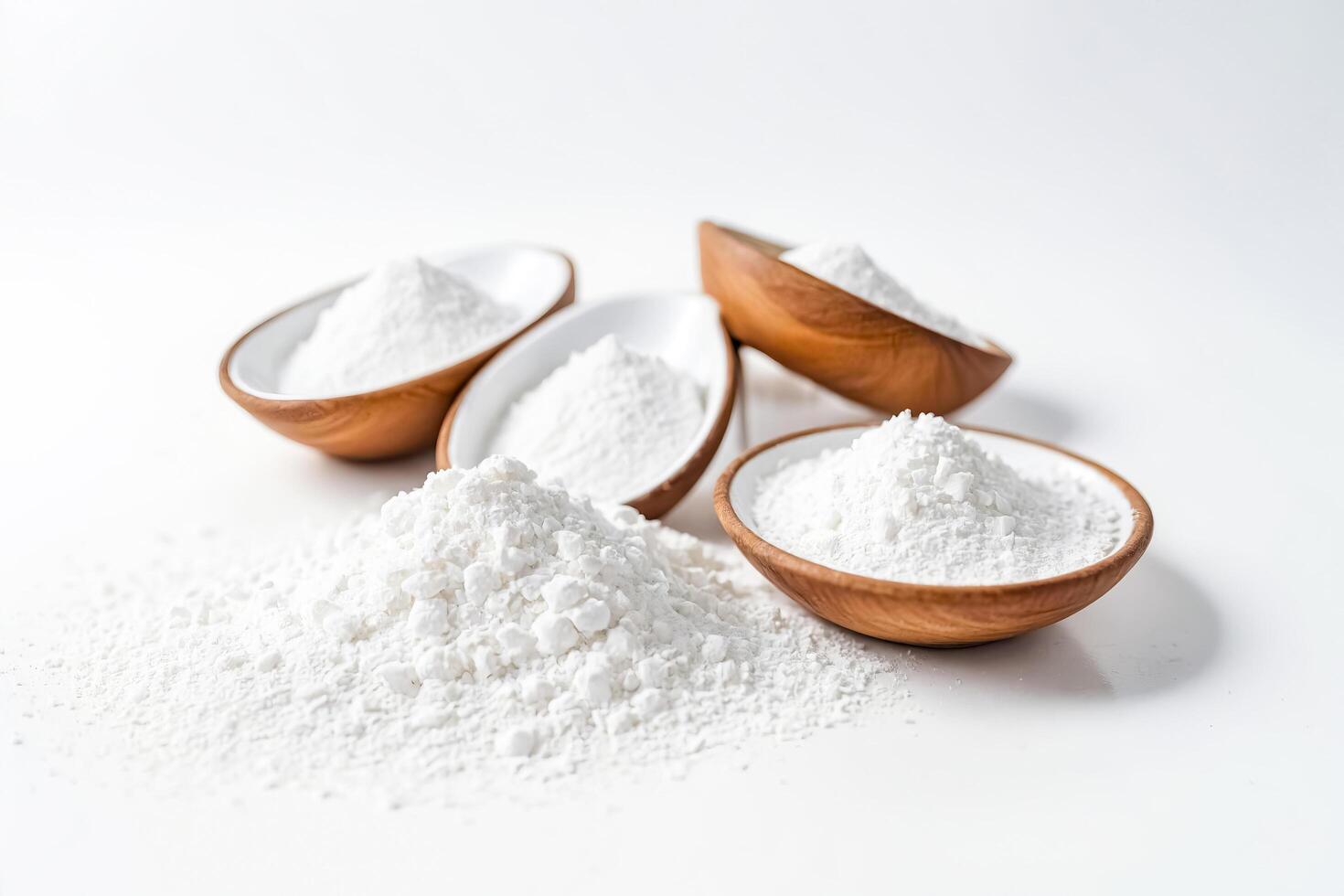
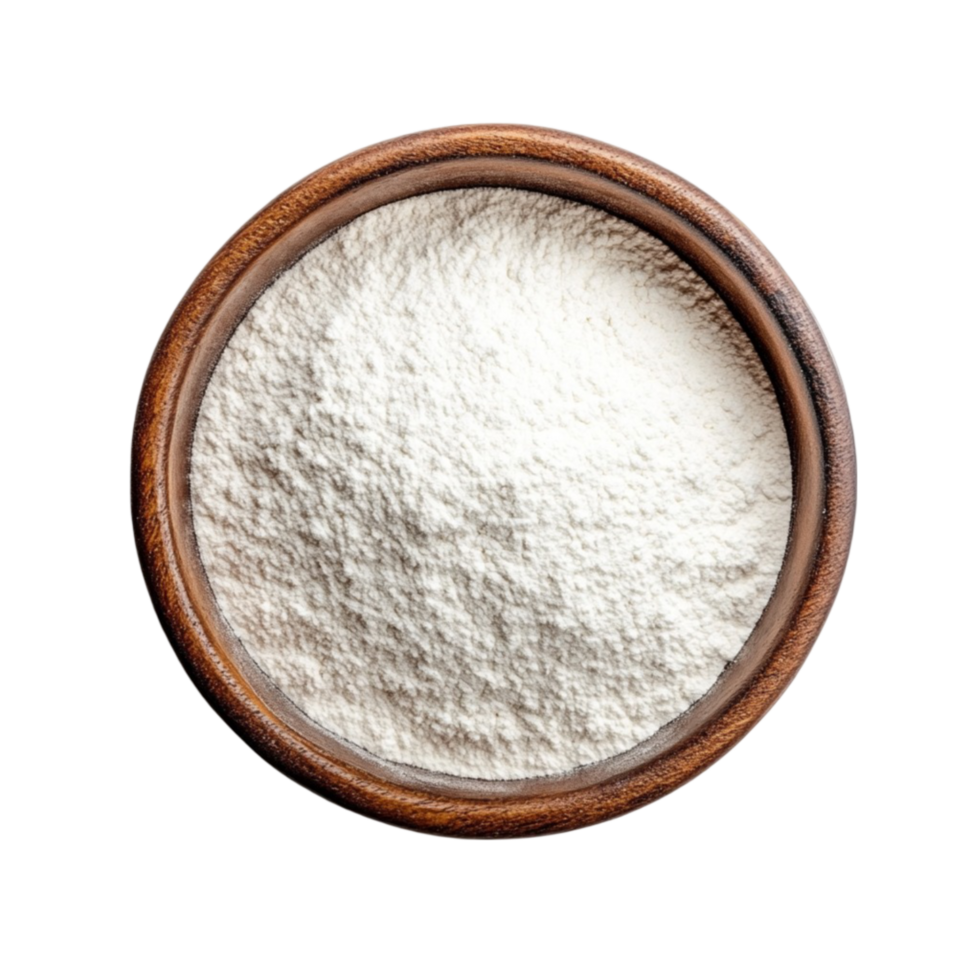
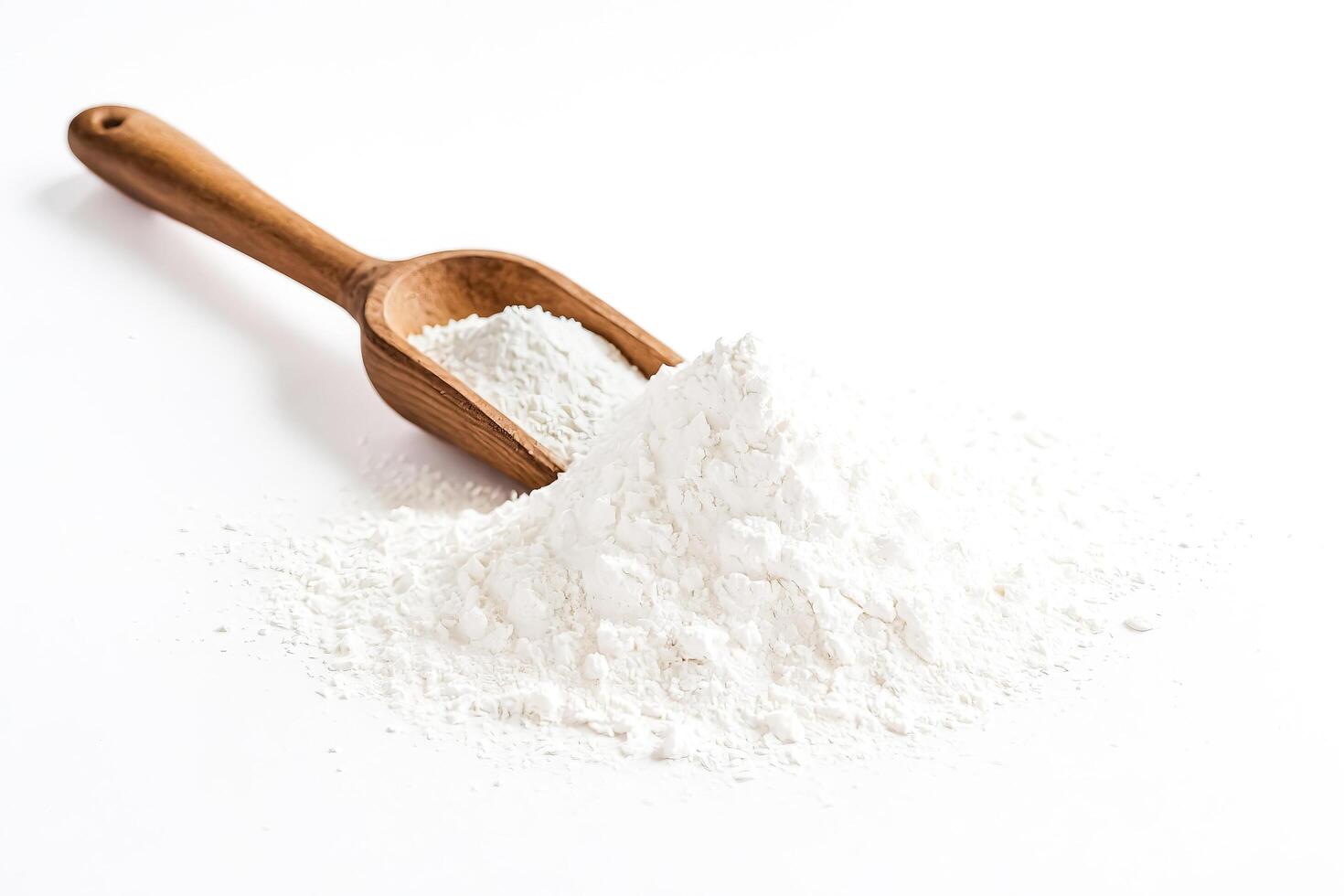
Yes, tapioca starch is gluten-free. It is derived from the cassava root and does not contain any gluten proteins, making it safe for people with celiac disease or gluten sensitivity.
Quick Tips
1Gluten-free: Suitable for people with celiac disease or gluten sensitivity
2Easy to digest: Gentle on the digestive system and good for those with sensitive stomachs
3Low in calories: Can be helpful for weight management when used as a substitute for higher-calorie starches
# In This Article
3 sectionsQuick navigation to each section of this article:
1 Benefits of Tapioca Starch
Gluten-free: Suitable for people with celiac disease or gluten sensitivity
Jump2 Who should avoid Tapioca Starch
People with a cassava or tapioca allergy: Tapioca starch is derived from cassava root, so those with allergies to cassava or tapioca should avoid it.
Jump3 Related Gluten Free Products
Here are five similar gluten-free options to Tapioca Starch, along with short descriptions:
JumpBenefits of Tapioca Starch
| Benefits of Tapioca Starch |
|---|
| Gluten-free: Suitable for people with celiac disease or gluten sensitivity |
| Easy to digest: Gentle on the digestive system and good for those with sensitive stomachs |
| Low in calories: Can be helpful for weight management when used as a substitute for higher-calorie starches |
| Low in fat: Contains very little fat, making it a heart-healthy option |
| Resistant starch: May act as a prebiotic, promoting gut health and beneficial bacteria growth |
| Blood sugar regulation: Has a low glycemic index, potentially helping to stabilize blood sugar levels |
| Alleviates constipation: Can help promote regular bowel movements due to its fiber content |
| Source of carbohydrates: Provides quick energy for the body |
| Hypoallergenic: Rarely causes allergic reactions, making it a safe option for many people |
| Calcium and iron: Contains small amounts of these essential minerals |
| Cholesterol-free: Beneficial for those monitoring their cholesterol intake |
| Versatile in cooking: Can be used as a thickener or flour substitute in various recipes, allowing for dietary adaptationsRemember that while tapioca starch has these potential benefits, it should be consumed as part of a balanced diet, as it is primarily a source of carbohydrates with limited nutritional value in terms of vitamins and minerals. |
Who should avoid Tapioca Starch
| Who should avoid Tapioca Starch |
|---|
| People with a cassava or tapioca allergy: Tapioca starch is derived from cassava root, so those with allergies to cassava or tapioca should avoid it. |
| Individuals with diabetes: Tapioca starch is high in carbohydrates and can cause rapid spikes in blood sugar levels, so diabetics should consume it in moderation or avoid it altogether. |
| Those on a low-carb or ketogenic diet: Due to its high carbohydrate content, tapioca starch is not suitable for these diets. |
| People with digestive issues: Some individuals may experience bloating, gas, or other digestive discomfort when consuming tapioca starch. |
| Those with celiac disease or gluten sensitivity: While tapioca starch is naturally gluten-free, they should ensure it hasn’t been cross-contaminated during processing. |
| Individuals with a history of kidney stones: Tapioca contains oxalates, which may contribute to kidney stone formation in susceptible individuals. |
| People trying to lose weight: Tapioca starch is calorie-dense and may not be ideal for those on a weight loss journey. |
| Infants: Tapioca should not be given to infants as it may cause digestive issues and offers little nutritional value. |
| Those with iodine deficiency: Cassava, from which tapioca is derived, contains compounds that can interfere with iodine absorption if consumed in large amounts.Always consult with a healthcare professional or registered dietitian if you have concerns about including tapioca starch in your diet. |
Related Gluten Free Products
Here are five similar gluten-free options to Tapioca Starch, along with short descriptions:
| Related Gluten Free Products |
|---|
| Arrowroot Starch:A fine, powdery starch extracted from the roots of tropical plants. It's flavorless and excellent for thickening sauces, gravies, and puddings. Arrowroot creates a clear, glossy finish when used in cooking. |
| Potato Starch:Made from dried potatoes, this starch is a versatile thickener for soups, sauces, and baked goods. It has a neutral flavor and produces a light, fluffy texture in gluten-free baking. |
| Cornstarch:Derived from corn kernels, this common thickener is used in a variety of dishes. It's ideal for crispy coatings on fried foods and works well in fruit pie fillings. Cornstarch has a slightly more opaque finish compared to arrowroot. |
| Rice Flour:Made from finely milled rice, this flour is often used in gluten-free baking and as a thickener. It has a mild flavor and can be used to make crispy batters for fried foods. Rice flour comes in both white and brown varieties. |
| Cassava Flour:Produced from the whole cassava root, this flour has a neutral flavor and fine texture. It's an excellent all-purpose flour substitute in gluten-free baking and can be used as a thickener in various dishes. Cassava flour is known for its ability to mimic wheat flour in many recipes. |
Health Information
? Frequently Asked Questions
4 questions1 Can celiacs eat tapioca starch?
2 What is tapioca starch made of?
3 Is tapioca starch gluten and dairy free?
4 What is a gluten-free substitute for tapioca starch?
Our Expert
Drs. Ilse van Asperen
Orthomolecular Therapist, Nutritional Coach & Professional Editor
Drs. Ilse van Asperen is a medical doctor specialising in orthomolecular therapy and nutritional coaching. With a background in public and clinical health research and management, she focuses on addressing the root causes of health issues through diet, gut health, and stress reduction. As a professional editor for Little Helpers, she reviews all gluten-free content to ensure accuracy, safety, and scientific credibility. Read more on Drs. Ilse van Asperen's own website
Our Sources
The information on this page is based on reputable health and nutrition organisations, ensuring accuracy and reliability for anyone following a gluten-free diet. For further details, see the sources below.