Is Thai Fish Sauce Gluten Free?

Is Thai Fish Sauce Gluten Free?

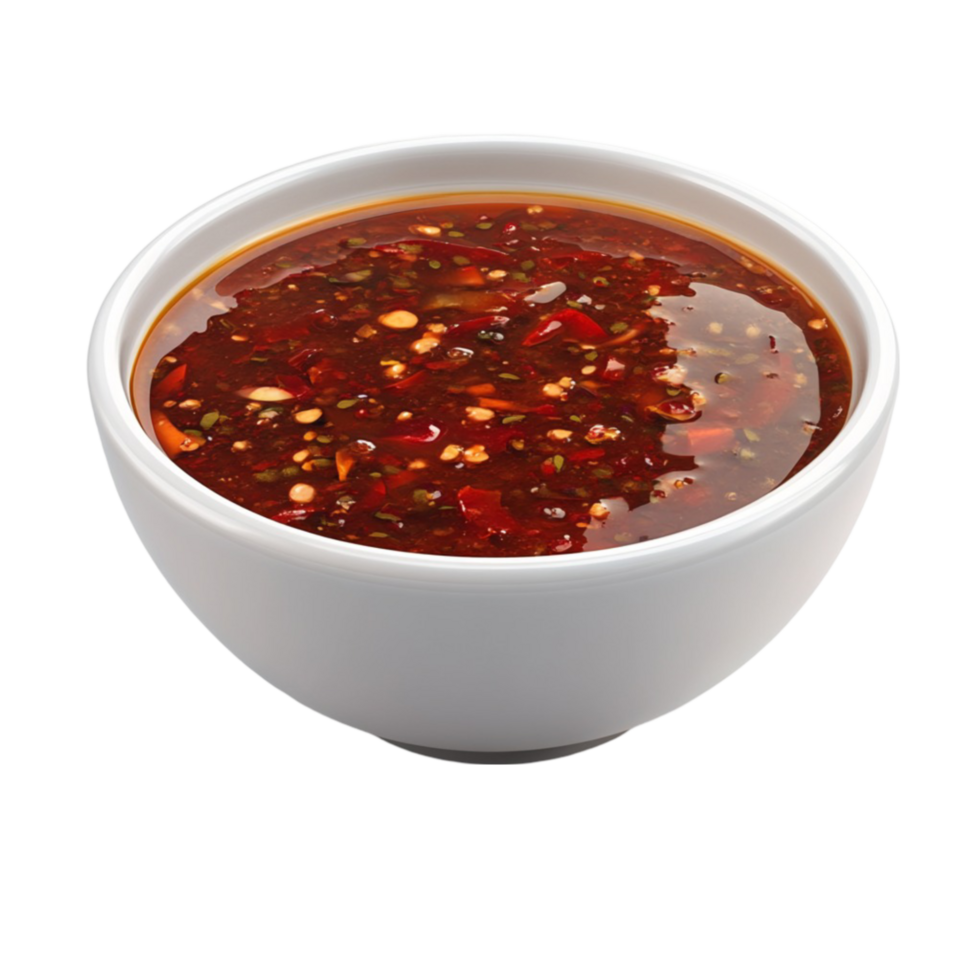
Thai fish sauce is typically gluten-free as it is traditionally made from fermented fish and salt. However, it’s always best to check the label of specific brands, as some may add wheat-based additives or be produced in facilities that process gluten-containing ingredients.

TL;DR

Thai fish sauce is typically gluten-free as it is traditionally made from fermented fish and salt. However, it’s always best to check the label of specific brands, as some may add wheat-based additives or be produced in facilities that process gluten-containing ingredients.

Quick Tips

1

High in protein: Provides essential amino acids for muscle building and repair

2

Rich in B vitamins: Particularly B12, which supports brain function and red blood cell formation

3

Good source of iodine: Important for thyroid health and metabolism regulation

# In This Article

3 sections

Quick navigation to each section of this article:

1 Benefits of Thai Fish Sauce

High in protein: Provides essential amino acids for muscle building and repair

Jump
2 Who should avoid Thai Fish Sauce

People with fish or shellfish allergies

Jump
3 Related Gluten Free Products

Here are five similar gluten-free options to Thai Fish Sauce, along with short descriptions:

Jump

Benefits of Thai Fish Sauce

Benefits of Thai Fish Sauce
High in protein: Provides essential amino acids for muscle building and repair
Rich in B vitamins: Particularly B12, which supports brain function and red blood cell formation
Good source of iodine: Important for thyroid health and metabolism regulation
Contains iron: Essential for red blood cell production and oxygen transport
Provides calcium: Supports bone health and muscle function
Low in calories: Adds flavor without significantly increasing calorie intake
Contains omega-3 fatty acids: Beneficial for heart and brain health
Source of niacin (Vitamin B3): Aids in energy metabolism and nervous system function
Provides zinc: Important for immune function and wound healing
Contains selenium: An antioxidant that supports thyroid function and immune health
Fermented food: May support gut health and digestion
Umami flavor: Can help reduce salt intake by enhancing flavor without additional sodiumNote: While fish sauce offers these benefits, it’s also high in sodium, so it should be consumed in moderation, especially for those with high blood pressure or sodium-restricted diets.

Who should avoid Thai Fish Sauce

Who should avoid Thai Fish Sauce
People with fish or shellfish allergies
Individuals following a vegetarian or vegan diet
Those adhering to a kosher or halal diet (unless the fish sauce is specifically certified)
People on a low-sodium diet, as fish sauce is typically high in sodium
Individuals with histamine intolerance, as fermented foods like fish sauce can be high in histamines
Those with a sensitivity to glutamates, as fish sauce naturally contains glutamates
People following a low FODMAP diet, as fish sauce may contain FODMAPs
Individuals with specific religious or cultural dietary restrictions that prohibit fermented fish products
Those with a strong aversion to the smell or taste of fermented fish
People with certain gastrointestinal conditions who are sensitive to fermented foodsRemember, if you have any specific health concerns or dietary restrictions, it’s always best to consult with a healthcare professional or registered dietitian before making significant changes to your diet.
ENJOY YOUR FAVORITE FOODS FEARLESSLY!
Don’t let gluten hold you back. Take Anti-Gluten Pills before your meal and enjoy peace of mind.
SHOP ANTI-GLUTEN PILLS
Clinically proven · Up to 86% gluten reduction · Fast acting

Here are five similar gluten-free options to Thai Fish Sauce, along with short descriptions:

Related Gluten Free Products
Coconut Aminos:A soy-free, gluten-free sauce made from coconut sap. It has a slightly sweet and salty flavor, making it a great alternative for those avoiding soy and gluten.
Tamari:A Japanese soy sauce that is typically gluten-free (always check the label). It has a rich, umami flavor and is slightly thicker than regular soy sauce.
Worcestershire Sauce (gluten-free varieties):Some brands offer gluten-free versions of this tangy, savory sauce. It's made from vinegar, molasses, anchovies, and spices, providing depth to dishes.
Liquid Aminos:A gluten-free seasoning sauce made from soybeans. It has a salty, savory taste similar to soy sauce but with a milder flavor profile.
Oyster Sauce (gluten-free varieties):Some brands produce gluten-free oyster sauce, which is thick, dark, and adds a rich umami flavor to dishes. It's slightly sweet and salty, made from oyster extracts.Remember to always check labels for gluten-free certification, as ingredients and processing methods can vary between brands.

Health Information

? Frequently Asked Questions

4 questions
1 Is Thai Kitchen fish sauce GF?
Thai Kitchen fish sauce is generally considered gluten-free. The product's ingredients typically consist of only anchovy extract, salt, and sugar. Thai Kitchen does not list any gluten-containing ingredients on their fish sauce label. However, for those with severe gluten sensitivities, it's always best to contact the manufacturer directly to confirm their current production processes and potential cross-contamination risks.
2 Does Thai sauce have gluten?
Thai sauce can vary in its gluten content depending on the specific ingredients used. Many traditional Thai sauces are naturally gluten-free, using ingredients like fish sauce, lime juice, and chili peppers. However, some Thai sauces may contain soy sauce or other wheat-based ingredients, which do contain gluten. It's always best to check the ingredient list or ask the manufacturer if you're unsure about a particular Thai sauce's gluten content.
3 What is Thai fish sauce made of?
Thai fish sauce is primarily made from fermented fish, typically anchovies. Salt is added to the fish, which are then left to ferment in wooden barrels for several months. During this process, the fish break down and release a flavorful, protein-rich liquid that becomes the fish sauce. The resulting product is a pungent, salty condiment that is essential to many Southeast Asian cuisines.
4 Is Thai food usually gluten-free?
Thai food is often naturally gluten-free, but not always. Many traditional Thai dishes use rice-based ingredients like rice noodles and rice flour, which are gluten-free. However, some Thai dishes may contain soy sauce or other wheat-based ingredients that contain gluten. It's important to ask about specific ingredients when ordering Thai food if you have gluten sensitivities or celiac disease.
LIVE GLUTEN-FREE WITHOUT THE FUSS!
Introducing Tolerase® G, clinically proven to reduce up to 86% of gluten in under 10 minutes. Experience the freedom to eat what you love.
SHOP ANTI-GLUTEN PILLS
150mg pure Tolerase® G · Reduces gluten by 86% · Under 10 minutes

Our Expert

Drs. Ilse van Asperen, Orthomolecular Therapist and Nutritional Coach

Drs. Ilse van Asperen

Orthomolecular Therapist, Nutritional Coach & Professional Editor

Drs. Ilse van Asperen is a medical doctor specialising in orthomolecular therapy and nutritional coaching. With a background in public and clinical health research and management, she focuses on addressing the root causes of health issues through diet, gut health, and stress reduction. As a professional editor for Little Helpers, she reviews all gluten-free content to ensure accuracy, safety, and scientific credibility. Read more on Drs. Ilse van Asperen's own website

Our Sources

The information on this page is based on reputable health and nutrition organisations, ensuring accuracy and reliability for anyone following a gluten-free diet. For further details, see the sources below.

Sources

Similar Articles

Back to blog