Share
TL;DR
Thai sauces can vary in their gluten content depending on the specific ingredients used. While many traditional Thai sauces are naturally gluten-free, some may contain soy sauce or other additives that contain gluten, so it’s always best to check the ingredients list or ask the manufacturer if you have gluten sensitivities.
Quick Tips
1Rich in antioxidants: Many Thai sauces contain ingredients like chili peppers, garlic, and herbs that are high in antioxidants, which can help protect cells from damage.
2Anti-inflammatory properties: Ingredients like turmeric, ginger, and lemongrass found in some Thai sauces have anti-inflammatory effects.
3Immune system boost: Garlic, chili peppers, and other spices often used in Thai sauces can help strengthen the immune system.
# In This Article
3 sectionsQuick navigation to each section of this article:
1 Benefits of Thai Sauce
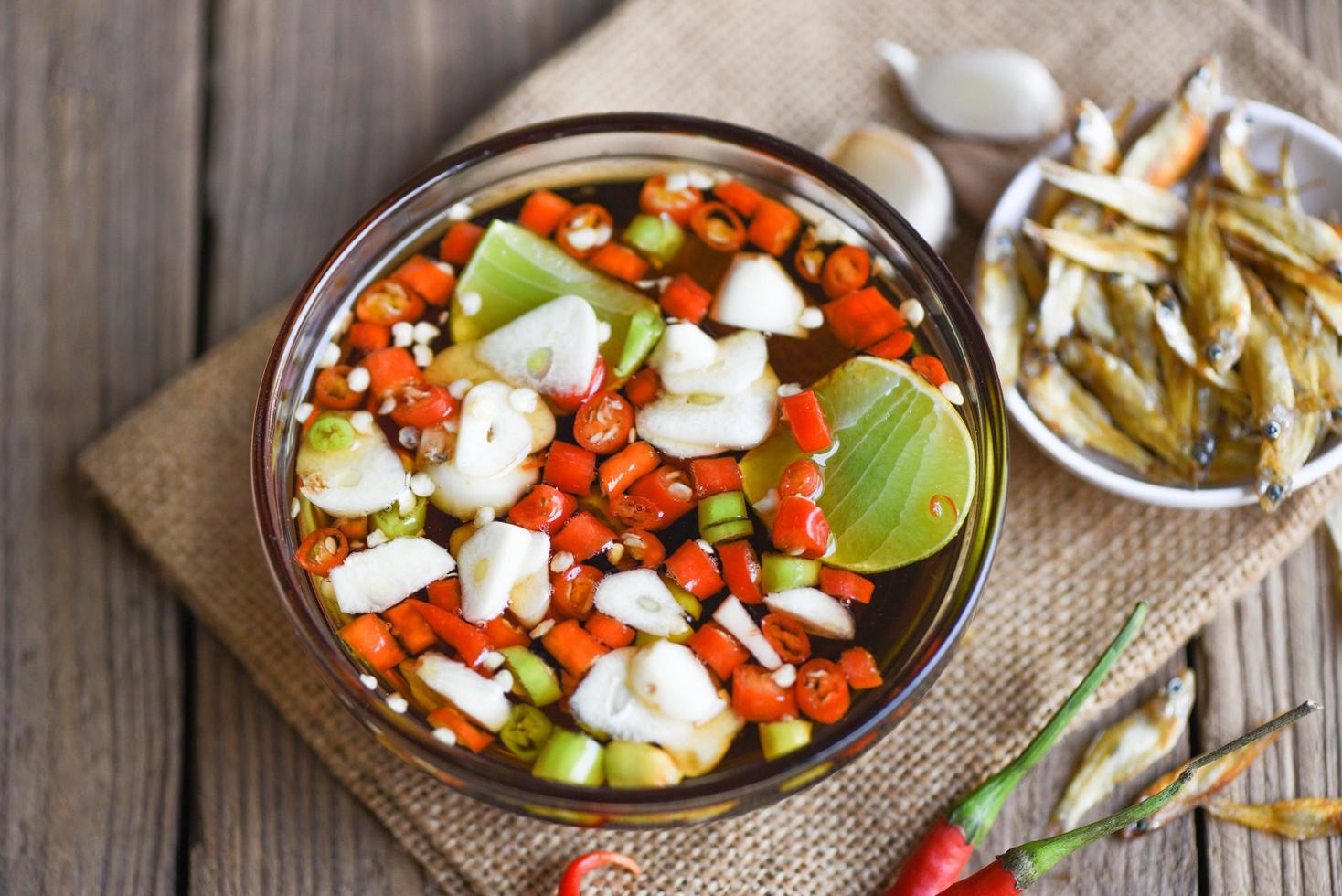
Rich in antioxidants: Many Thai sauces contain ingredients like chili peppers, garlic, and herbs that are high in antioxidants, which can help protect cells from damage.
Jump2 Who should avoid Thai Sauce
People with allergies to common Thai sauce ingredients such as: – Peanuts – Fish or shellfish (due to fish sauce) – Soy – Wheat (if the sauce contains soy sauce)
Jump3 Gluten Free Alternatives
Here are five gluten-free alternatives to Thai Sauce, along with short descriptions for each:
JumpBenefits of Thai Sauce
| Benefits of Thai Sauce |
|---|
| Rich in antioxidants: Many Thai sauces contain ingredients like chili peppers, garlic, and herbs that are high in antioxidants, which can help protect cells from damage. |
| Anti-inflammatory properties: Ingredients like turmeric, ginger, and lemongrass found in some Thai sauces have anti-inflammatory effects. |
| Immune system boost: Garlic, chili peppers, and other spices often used in Thai sauces can help strengthen the immune system. |
| Improved digestion: Some ingredients like ginger and lemongrass can aid in digestion and alleviate digestive discomfort. |
| Metabolism boost: Spicy ingredients like chili peppers can temporarily increase metabolism and promote fat burning. |
| Heart health: Ingredients like garlic and fish sauce (in moderation) may contribute to improved heart health. |
| Low in calories: Many Thai sauces are relatively low in calories, making them a good option for those watching their weight. |
| Vitamin C source: Lime juice, a common ingredient in Thai sauces, is rich in vitamin C, which supports immune function and skin health. |
| Antimicrobial properties: Some ingredients like garlic and chili peppers have natural antimicrobial properties. |
| Improved nutrient absorption: The combination of ingredients in Thai sauces can enhance the absorption of nutrients from other foods. |
| It’s important to note that some Thai sauces can be high in sodium or sugar, so moderation is key to reaping these health benefits. |
Who should avoid Thai Sauce
| Who should avoid Thai Sauce |
|---|
| People with allergies to common Thai sauce ingredients such as: – Peanuts – Fish or shellfish (due to fish sauce) – Soy – Wheat (if the sauce contains soy sauce) |
| Individuals with celiac disease or gluten sensitivity (if the sauce contains soy sauce or other gluten-containing ingredients) |
| Those with sensitivities to spicy foods (many Thai sauces can be quite hot) |
| People on low-sodium diets (many Thai sauces are high in sodium) |
| Individuals avoiding added sugars (some Thai sauces contain sugar) |
| Those with MSG sensitivity (if the sauce contains MSG) |
| Vegans or vegetarians (if the sauce contains fish sauce or shrimp paste) |
| People with certain gastrointestinal conditions that may be aggravated by spicy or acidic foods |
| Individuals taking medications that interact with certain herbs or spices commonly found in Thai sauces |
| Those with sulfite sensitivities (if the sauce contains preservatives)It’s always best to check the ingredients list and consult with a healthcare provider if you have specific dietary concerns or health conditions. |
Gluten Free Alternatives
Here are five gluten-free alternatives to Thai Sauce, along with short descriptions for each:
| Gluten Free Alternatives |
|---|
| Tamari:A Japanese soy sauce made without wheat, providing a rich, savory flavor similar to traditional soy sauce. It's typically darker and less salty than regular soy sauce, making it a great gluten-free option for Thai-inspired dishes. |
| Coconut Aminos:A soy-free and gluten-free sauce made from coconut sap. It has a slightly sweet and salty taste, resembling a milder version of soy sauce. Coconut aminos can be used as a 1:1 replacement for Thai sauce in many recipes. |
| Fish Sauce:A staple in Southeast Asian cuisine, fish sauce is naturally gluten-free and adds a deep, umami flavor to dishes. It's made from fermented fish and salt, providing a unique taste that's essential in many Thai recipes. |
| Gluten-Free Hoisin Sauce:While traditional hoisin sauce contains wheat, some brands offer gluten-free versions. This thick, sweet-and-salty sauce can be used as a substitute for Thai sauce in stir-fries and marinades. |
| Homemade Gluten-Free Thai Sauce:Create your own Thai sauce using gluten-free ingredients such as rice vinegar, gluten-free soy sauce or tamari, fish sauce, brown sugar, and chili flakes. This allows you to control the ingredients and customize the flavor to your liking. |
Health Information
? Frequently Asked Questions
4 questions1 Is there gluten in Thai sauce?
2 Is Thai usually gluten-free?
3 Does pad thai have gluten in it?
4 Is Thai curry sauce gluten-free?
Our Expert
Drs. Ilse van Asperen
Orthomolecular Therapist, Nutritional Coach & Professional Editor
Drs. Ilse van Asperen is a medical doctor specialising in orthomolecular therapy and nutritional coaching. With a background in public and clinical health research and management, she focuses on addressing the root causes of health issues through diet, gut health, and stress reduction. As a professional editor for Little Helpers, she reviews all gluten-free content to ensure accuracy, safety, and scientific credibility. Read more on Drs. Ilse van Asperen's own website
Our Sources
The information on this page is based on reputable health and nutrition organisations, ensuring accuracy and reliability for anyone following a gluten-free diet. For further details, see the sources below.