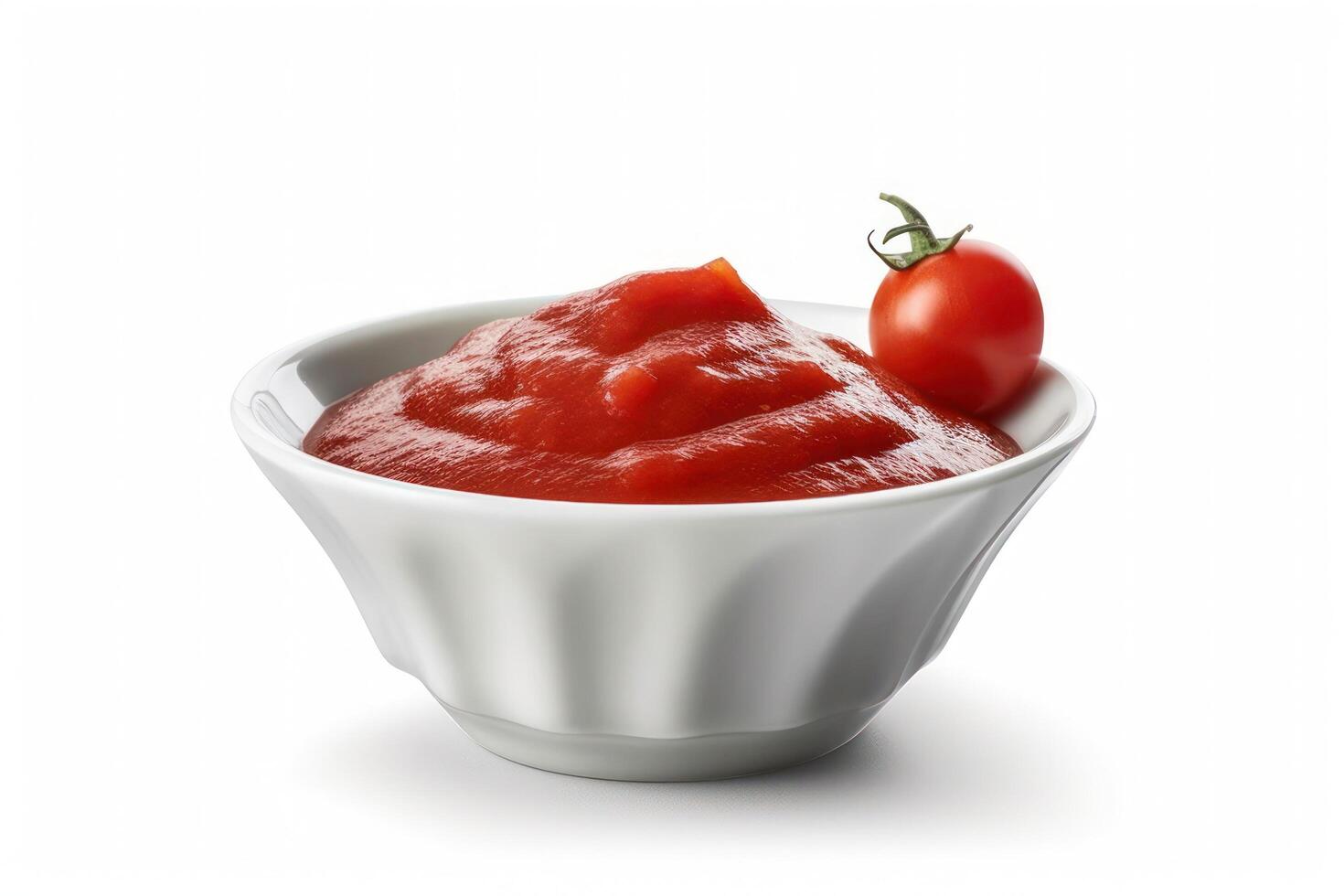
Is Tomato Soup Gluten Free?

Is Tomato Soup Gluten Free?

Tomato soup is typically gluten-free as its main ingredients are tomatoes, broth, and seasonings, which do not contain gluten. However, it’s important to check the label or recipe, as some versions may include gluten-containing ingredients like wheat flour as a thickener or certain additives that might contain gluten.

TL;DR

Tomato soup is typically gluten-free as its main ingredients are tomatoes, broth, and seasonings, which do not contain gluten. However, it’s important to check the label or recipe, as some versions may include gluten-containing ingredients like wheat flour as a thickener or certain additives that might contain gluten.

Quick Tips

1

Rich in vitamins and minerals: Tomato soup is a good source of vitamins A, C, K, and potassium.

2

High in antioxidants: Tomatoes contain lycopene, a powerful antioxidant that may help reduce the risk of certain cancers and heart disease.

3

Low in calories: Tomato soup is generally low in calories, making it a good option for weight management.

# In This Article

3 sections

Quick navigation to each section of this article:

1 Benefits of Tomato Soup

Rich in vitamins and minerals: Tomato soup is a good source of vitamins A, C, K, and potassium.

Jump
2 Who should avoid Tomato Soup

People with acid reflux or GERD (Gastroesophageal reflux disease)

Jump
3 Related Gluten Free Products

Here are five gluten-free options similar to Tomato Soup, along with short descriptions:

Jump

Benefits of Tomato Soup

Benefits of Tomato Soup
Rich in vitamins and minerals: Tomato soup is a good source of vitamins A, C, K, and potassium.
High in antioxidants: Tomatoes contain lycopene, a powerful antioxidant that may help reduce the risk of certain cancers and heart disease.
Low in calories: Tomato soup is generally low in calories, making it a good option for weight management.
Hydrating: The high water content in tomato soup helps keep you hydrated.
Supports heart health: The potassium and antioxidants in tomato soup may help lower blood pressure and reduce the risk of heart disease.
Boosts immune system: The vitamin C in tomato soup helps support a healthy immune system.
Improves digestion: The fiber content in tomato soup can aid in digestion and promote gut health.
Supports bone health: Tomato soup contains vitamin K, which is important for maintaining strong bones.
May reduce inflammation: The antioxidants in tomatoes have anti-inflammatory properties.
Supports eye health: The vitamin A in tomato soup contributes to maintaining good vision.
Skin health: The vitamins and antioxidants in tomato soup can contribute to healthier skin.Remember that the health benefits can vary depending on the recipe and preparation method of the tomato soup.

Who should avoid Tomato Soup

Who should avoid Tomato Soup
People with acid reflux or GERD (Gastroesophageal reflux disease)
Individuals with tomato allergies
Those with nightshade sensitivities (tomatoes are part of the nightshade family)
People on low-acid diets
Individuals with irritable bowel syndrome (IBS) who find tomatoes trigger symptoms
Those with histamine intolerance
People with certain autoimmune conditions who find nightshades inflammatory
Individuals on low-carb or ketogenic diets (if the soup contains added sugars or starches)
Those with sodium-restricted diets (many commercial tomato soups are high in sodium)
People with lycopene sensitivity (rare, but possible)
Individuals taking certain medications that interact with high vitamin K foods (tomatoes are moderately high in vitamin K)
Those with oral allergy syndrome who react to raw tomatoes (though cooked tomatoes may be tolerated)Remember, it’s always best to consult with a healthcare professional or registered dietitian for personalized advice.
ENJOY YOUR FAVORITE FOODS FEARLESSLY!
Don’t let gluten hold you back. Take Anti-Gluten Pills before your meal and enjoy peace of mind.
SHOP ANTI-GLUTEN PILLS
Clinically proven · Up to 86% gluten reduction · Fast acting

Here are five gluten-free options similar to Tomato Soup, along with short descriptions:

Related Gluten Free Products
Butternut Squash Soup: A creamy, slightly sweet soup made from roasted butternut squash, often seasoned with nutmeg and cinnamon. It's rich in vitamins and has a velvety texture.
Carrot Ginger Soup: A vibrant, orange-colored soup that combines the sweetness of carrots with the warmth of ginger. It's often finished with a touch of coconut milk for added creaminess.
Roasted Red Pepper Soup: A smooth, flavorful soup made from roasted red bell peppers, often combined with onions and garlic. It has a slightly smoky taste and a beautiful red color.
Potato Leek Soup: A classic, comforting soup made from potatoes and leeks, typically pureed until smooth. It's creamy, savory, and can be served hot or cold (as Vichyssoise).
Pumpkin Soup: A hearty, autumn-inspired soup made from pureed pumpkin, often spiced with cinnamon, nutmeg, and sometimes curry powder. It's rich in fiber and has a naturally sweet flavor.Remember to always check ingredient labels to ensure these soups are truly gluten-free, as some commercial versions may contain gluten-based thickeners or additives.

Health Information

? Frequently Asked Questions

4 questions
1 Does tomato soup contain gluten?
Tomato soup typically does not contain gluten. However, some commercial or restaurant versions may include gluten-containing ingredients as thickeners or flavorings. It's always best to check the ingredient list or ask about preparation methods if you have gluten sensitivities. Homemade tomato soup made with basic ingredients is usually gluten-free.
2 Why is tomato soup not gluten-free?
Tomato soup is typically gluten-free in its basic form, consisting mainly of tomatoes, water, and seasonings. However, some commercial tomato soups may contain gluten due to added ingredients like wheat flour, which is sometimes used as a thickening agent. Additionally, cross-contamination during manufacturing can introduce gluten into otherwise gluten-free tomato soup. It's important for people with gluten sensitivities or celiac disease to carefully read labels or choose certified gluten-free options to ensure their tomato soup is safe for consumption.
3 Is Progresso tomato soup gluten-free?
Progresso offers several varieties of tomato soup. According to their product information, their Classic Tomato Basil soup is gluten-free. However, it's always important to check the label of the specific product you're purchasing. Gluten-free status can sometimes change, so it's best to verify on the packaging or contact the manufacturer directly for the most up-to-date information.
4 Is Heinz tomato soup gluten-free?
Heinz tomato soup is generally considered gluten-free. The main ingredients in their classic tomato soup are tomatoes, water, and various seasonings, which do not contain gluten. However, it's always recommended to check the label for the most up-to-date information, as product formulations can change. Individuals with celiac disease or severe gluten sensitivity should consult with Heinz directly for the most accurate and current information regarding gluten content in their products.
LIVE GLUTEN-FREE WITHOUT THE FUSS!
Introducing Tolerase® G, clinically proven to reduce up to 86% of gluten in under 10 minutes. Experience the freedom to eat what you love.
SHOP ANTI-GLUTEN PILLS
150mg pure Tolerase® G · Reduces gluten by 86% · Under 10 minutes

Our Expert

Drs. Ilse van Asperen, Orthomolecular Therapist and Nutritional Coach

Drs. Ilse van Asperen

Orthomolecular Therapist, Nutritional Coach & Professional Editor

Drs. Ilse van Asperen is a medical doctor specialising in orthomolecular therapy and nutritional coaching. With a background in public and clinical health research and management, she focuses on addressing the root causes of health issues through diet, gut health, and stress reduction. As a professional editor for Little Helpers, she reviews all gluten-free content to ensure accuracy, safety, and scientific credibility. Read more on Drs. Ilse van Asperen's own website

Our Sources

The information on this page is based on reputable health and nutrition organisations, ensuring accuracy and reliability for anyone following a gluten-free diet. For further details, see the sources below.
Sources

Similar Articles

Back to blog