Share
Quick Tips
1Refer to manufacturer websites for allergen declarations on alcoholic beverages.
2If in doubt, avoid alcoholic beverages without full ingredient disclosure or third-party certification.
3Look for the Crossed Grain symbol or equivalent certification on alcoholic beverages packaging.
# In This Article
5 sectionsQuick navigation to each section of this article:
1 What Does Gluten-Free Alcoholic Beverages Mean?
A gluten-free alcoholic beverages must contain less than 20 parts per million (ppm) of gluten and cannot include wheat, barley, rye, or derivatives. Certified gluten-free products are produced in facilities that prevent cross-contamination and are clearly labelled to help shoppers make safe choices.
Jump2 Which alcoholic beverages are safe for a Gluten-Free Diet?
151 Rum is typically gluten-free as it is made from sugarcane byproducts and does not contain any gluten-containing grains. However, to be absolutely certain, it’s always best to check the specific brand’s label or contact the manufacturer directly, as production methods or added ingredients can sometimes introduce gluten contamination.
Jump3 Which alcoholic beverages are not safe for Gluten Free Diet?
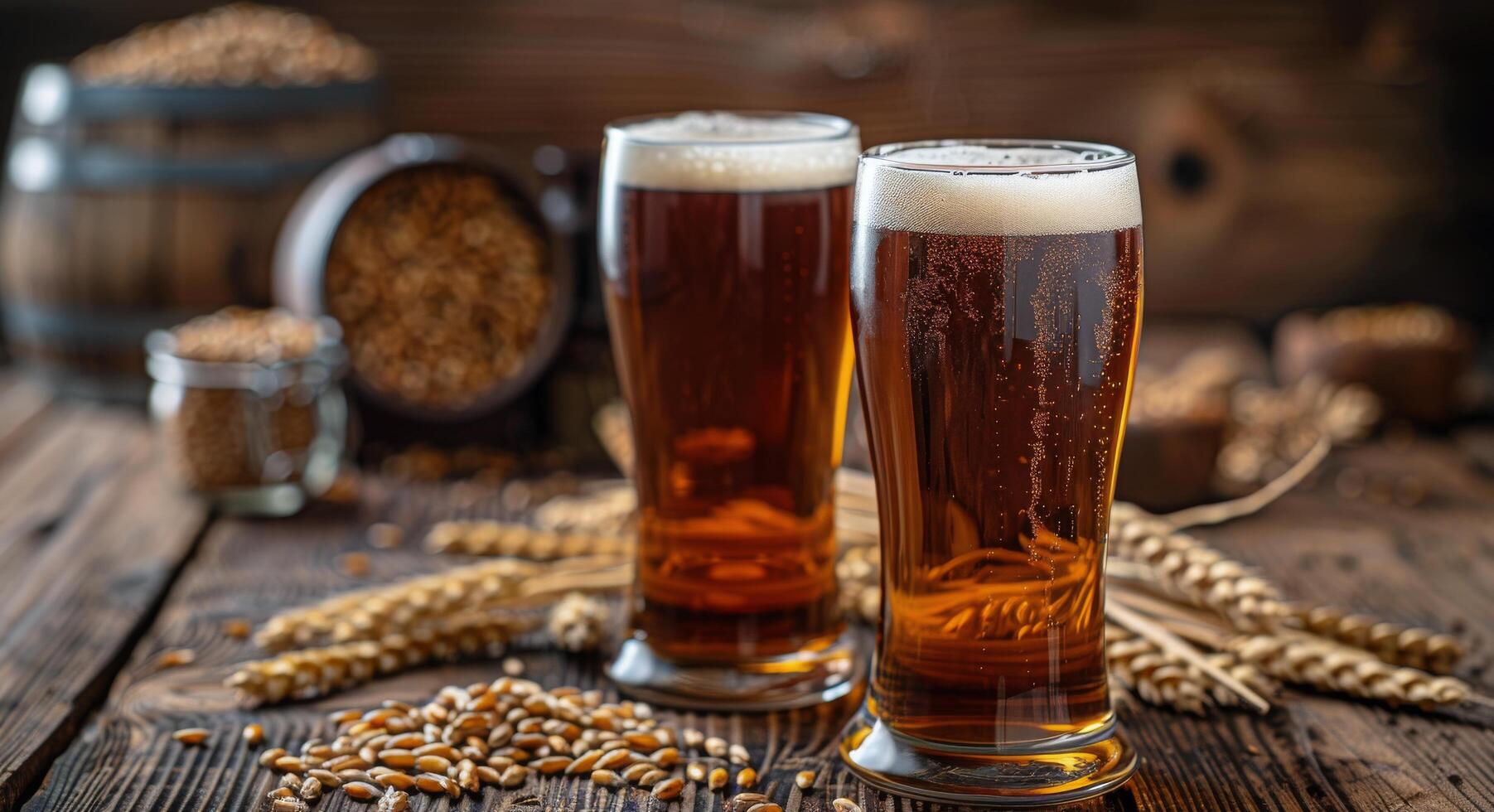
Barley wine is not gluten-free, as it is made primarily from barley, which contains gluten. Individuals with celiac disease or gluten sensitivity should avoid barley wine and opt for gluten-free alternatives instead.
Jump4 How to Choose Gluten-Free Alcoholic Beverages
Refer to manufacturer websites for allergen declarations on alcoholic beverages.
Jump5 Final Thoughts
Many alcoholic beverages look safe but contain hidden gluten. Certified gluten-free logos, coeliac databases, and transparent manufacturing are key to avoiding health risks.
JumpWhat Does Gluten-Free Alcoholic Beverages Mean?
A gluten-free alcoholic beverages must contain less than 20 parts per million (ppm) of gluten and cannot include wheat, barley, rye, or derivatives. Certified gluten-free products are produced in facilities that prevent cross-contamination and are clearly labelled to help shoppers make safe choices. (According to FDA and EU Regulation 828/2014 on gluten-free labeling standards.)
Which alcoholic beverages are safe for a Gluten-Free Diet?
| Product | Details |
|---|---|
| 151 Rum | 151 Rum is typically gluten-free as it is made from sugarcane byproducts and does not contain any gluten-containing grains. However, to be absolutely certain, it’s always best to check the specific brand’s label or contact the manufacturer directly, as production methods or added ingredients can sometimes introduce gluten contamination. |
| 1800 Coconut Tequila | 1800 Coconut Tequila is generally considered gluten-free, as tequila is made from the blue agave plant and not from gluten-containing grains. However, it’s always best to check the specific product label or contact the manufacturer directly to confirm, as production processes or added flavorings could potentially introduce gluten in some cases. |
| 19 Crimes Wine | 19 Crimes wine is generally considered gluten-free, as it is made from grapes and does not contain any gluten-containing ingredients. However, as with any alcoholic beverage, there is always a small risk of cross-contamination during production, so individuals with severe gluten sensitivities or celiac disease may want to contact the manufacturer directly for more specific information. |
| 360 Vodka | 360 Vodka is generally considered gluten-free as it is distilled from corn, which does not contain gluten. However, for those with severe gluten sensitivities or celiac disease, it’s always best to check with the manufacturer directly to confirm their current production processes and potential for cross-contamination. |
| 818 Tequila | 818 Tequila is generally considered gluten-free as it is made from blue agave plants, which do not contain gluten. However, as with any alcoholic beverage, it’s always best to check with the manufacturer directly or consult the product label for the most up-to-date and accurate information regarding gluten content and potential cross-contamination risks. |
| 99 Bananas | 99 Bananas, a banana-flavored schnapps liqueur, is generally considered to be gluten-free as it is made from distilled alcohol and natural flavorings. However, as with any alcoholic beverage, individuals with celiac disease or gluten sensitivity should exercise caution and may want to contact the manufacturer directly to confirm the gluten-free status, as processing methods and ingredients can sometimes change. |
Which alcoholic beverages are not safe for Gluten Free Diet?
| Product | Why It’s Not Safe |
|---|---|
| Barley Wine | Barley wine is not gluten-free, as it is made primarily from barley, which contains gluten. Individuals with celiac disease or gluten sensitivity should avoid barley wine and opt for gluten-free alternatives instead. |
| Blue Moon | Blue Moon beer is not gluten-free as it is brewed with malted barley and wheat, both of which contain gluten. However, Blue Moon does offer a gluten-reduced version called Blue Moon LightSky, which undergoes a process to remove most of the gluten, though it may still contain trace amounts. |
| Bud Light | Bud Light is not considered gluten-free. While it contains less gluten than regular beers due to its brewing process, it still contains trace amounts of gluten from the barley used in production, which exceeds the FDA’s limit for gluten-free labeling. |
| Bud Light Lime | Bud Light Lime is not gluten-free. Like most beers, it contains barley, which is a source of gluten. |
| Coors | Coors Light is not gluten-free as it is made with barley, which contains gluten. However, Coors does offer a gluten-free beer called Coors Peak, which is brewed with brown rice instead of barley. |
| Coors Light | Coors Light is not gluten-free. It is made with barley, which contains gluten, and while the brewing process may reduce gluten levels, it does not eliminate them entirely. |
How to Choose Gluten-Free Alcoholic Beverages
1Refer to manufacturer websites for allergen declarations on alcoholic beverages.
2If in doubt, avoid alcoholic beverages without full ingredient disclosure or third-party certification.
3Look for the Crossed Grain symbol or equivalent certification on alcoholic beverages packaging.
4Watch for regional variations—alcoholic beverages sold in different countries may have different recipes.
5For high-risk products like alcoholic beverages, only buy from brands that guarantee <5ppm gluten levels.
6Stick to trusted brands that publish gluten testing results for their alcoholic beverages.
Frequently Asked Questions
? Frequently Asked Questions
5 questions1 Can gluten-free alcoholic beverages still be unsafe?
2 Is it safe to trust 'may contain gluten' labels on alcoholic beverages?
3 Is it safe to trust 'may contain gluten' labels on alcoholic beverages?
4 Can I eat alcoholic beverages on a strict gluten-free diet?
5 Can I eat alcoholic beverages on a strict gluten-free diet?
Final Thoughts
Many alcoholic beverages look safe but contain hidden gluten. Certified gluten-free logos, coeliac databases, and transparent manufacturing are key to avoiding health risks.
Our Expert
Drs. Ilse van Asperen
Orthomolecular Therapist, Nutritional Coach & Professional Editor
Drs. Ilse van Asperen is a medical doctor specialising in orthomolecular therapy and nutritional coaching. With a background in public and clinical health research and management, she focuses on addressing the root causes of health issues through diet, gut health, and stress reduction. As a professional editor for Little Helpers, she reviews all gluten-free content to ensure accuracy, safety, and scientific credibility. Read more on Drs. Ilse van Asperen's own website
Our Sources
The information on this page is based on reputable health and nutrition organisations, ensuring accuracy and reliability for anyone following a gluten-free diet. For further details, see the sources below.