Share
TL;DR
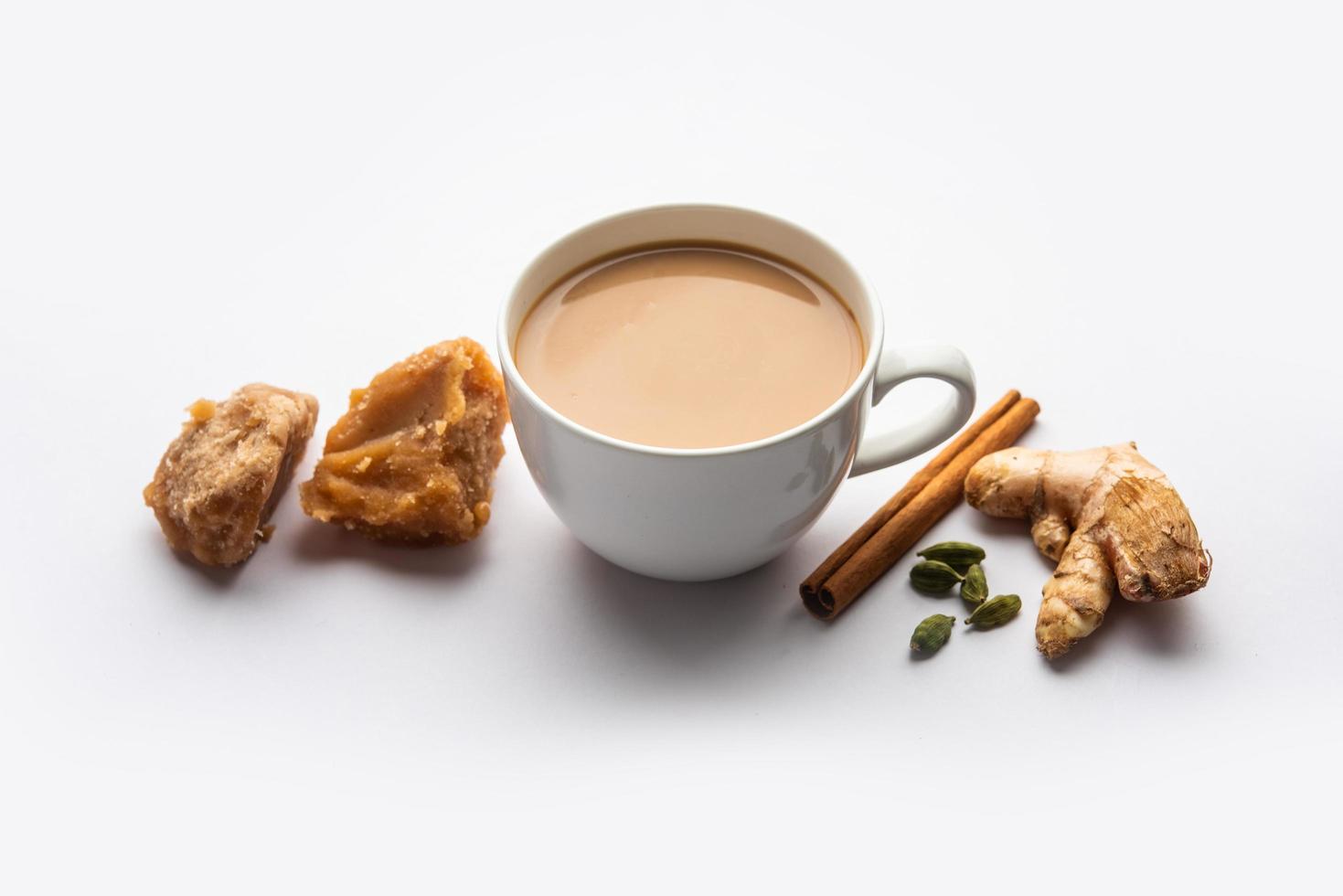
Traditional chai, which is a spiced tea beverage, is typically gluten-free as it’s made with tea, spices, and milk. However, some pre-made chai mixes or flavored syrups may contain gluten-containing ingredients or additives, so it’s always best to check the label or ask about ingredients if you have gluten sensitivities.
Quick Tips
1Rich in antioxidants: Chai contains black tea and spices, which are high in polyphenols and other antioxidants that fight free radicals and may reduce the risk of chronic diseases.
2May boost heart health: The black tea and spices in chai may help lower blood pressure and reduce cholesterol levels.
3Aids digestion: Spices like ginger, cardamom, and cinnamon can help soothe the digestive system and reduce bloating.
# In This Article
3 sectionsQuick navigation to each section of this article:
1 Benefits of Chai
Rich in antioxidants: Chai contains black tea and spices, which are high in polyphenols and other antioxidants that fight free radicals and may reduce the risk of chronic diseases.
Jump2 Who should avoid Chai
People with caffeine sensitivity or those trying to limit caffeine intake
Jump3 Related Gluten Free Products
Here are five gluten-free options similar to Chai, along with short descriptions:
JumpBenefits of Chai
| Benefits of Chai |
|---|
| Rich in antioxidants: Chai contains black tea and spices, which are high in polyphenols and other antioxidants that fight free radicals and may reduce the risk of chronic diseases. |
| May boost heart health: The black tea and spices in chai may help lower blood pressure and reduce cholesterol levels. |
| Aids digestion: Spices like ginger, cardamom, and cinnamon can help soothe the digestive system and reduce bloating. |
| Potential anti-inflammatory effects: Many chai spices have anti-inflammatory properties, which may help reduce inflammation in the body. |
| May improve blood sugar control: Cinnamon, a common chai spice, has been shown to help regulate blood sugar levels. |
| Enhances immune function: Ingredients like ginger and cardamom can help boost the immune system. |
| Improves cognitive function: The caffeine in black tea can enhance mental alertness and cognitive performance. |
| Supports respiratory health: Spices like cloves and black pepper may help clear congestion and improve respiratory function. |
| Potential weight management aid: The combination of caffeine and spices may boost metabolism and aid in weight management. |
| Provides a natural energy boost: The combination of caffeine and spices can provide a sustained energy boost without the crash associated with coffee. |
| May have antimicrobial properties: Some chai spices have natural antimicrobial effects that may help fight harmful bacteria.Remember that the health benefits can vary depending on the specific chai recipe and ingredients used. |
Who should avoid Chai
| Who should avoid Chai |
|---|
| People with caffeine sensitivity or those trying to limit caffeine intake |
| Individuals with certain heart conditions who need to monitor their caffeine consumption |
| Pregnant women who are advised to limit caffeine intake |
| People with allergies to any of the spices commonly used in chai (such as cinnamon, cardamom, or ginger) |
| Those with gastrointestinal issues who may be sensitive to strong spices |
| Individuals taking certain medications that may interact with caffeine or specific spices |
| People with sleep disorders who are avoiding caffeine, especially in the evening |
| Those with anxiety disorders who find that caffeine exacerbates their symptoms |
| Individuals with iron deficiency, as tea can inhibit iron absorptionIt’s important to note that these are general considerations, and the specific ingredients in chai can vary. If you have concerns about consuming chai or any other food or beverage, it’s best to consult with a healthcare professional for personalized advice. |
Related Gluten Free Products
Here are five gluten-free options similar to Chai, along with short descriptions:
| Related Gluten Free Products |
|---|
| Rooibos Tea: A caffeine-free South African herbal tea with a naturally sweet, nutty flavor. It can be enjoyed plain or with milk and spices, similar to chai. |
| Turmeric Latte: Also known as "golden milk," this warm beverage is made with turmeric, milk (dairy or plant-based), and other spices like ginger and cinnamon. It offers anti-inflammatory properties and a comforting flavor. |
| Matcha Latte: A Japanese green tea drink made with finely ground matcha powder and steamed milk. It provides a smooth, earthy flavor and a caffeine boost without the jitters. |
| Dandelion Root Coffee: A caffeine-free alternative to coffee, made from roasted dandelion roots. It has a rich, slightly bitter taste similar to coffee and can be prepared with milk and spices. |
| Yerba Mate: A traditional South American drink made from the leaves of the yerba mate plant. It has a unique earthy flavor and contains caffeine, offering an energizing effect similar to tea or coffee. |
Health Information
? Frequently Asked Questions
4 questions1 Is there gluten in chai tea?
2 Does chai latte have gluten in it?
3 Is chai gluten-free at Starbucks?
4 Is chai gluten and dairy free?
Our Expert
Drs. Ilse van Asperen
Orthomolecular Therapist, Nutritional Coach & Professional Editor
Drs. Ilse van Asperen is a medical doctor specialising in orthomolecular therapy and nutritional coaching. With a background in public and clinical health research and management, she focuses on addressing the root causes of health issues through diet, gut health, and stress reduction. As a professional editor for Little Helpers, she reviews all gluten-free content to ensure accuracy, safety, and scientific credibility. Read more on Drs. Ilse van Asperen's own website
Our Sources
The information on this page is based on reputable health and nutrition organisations, ensuring accuracy and reliability for anyone following a gluten-free diet. For further details, see the sources below.