Is Chai Tea Gluten Free?

Is Chai Tea Gluten Free?

Generally, chai tea itself is gluten-free as it’s typically made from a blend of tea, spices, and herbs, none of which naturally contain gluten. However, it’s important to check the ingredients list or with the manufacturer for any specific chai tea product, as some may include additives or flavorings that could potentially contain gluten.

TL;DR

Generally, chai tea itself is gluten-free as it’s typically made from a blend of tea, spices, and herbs, none of which naturally contain gluten. However, it’s important to check the ingredients list or with the manufacturer for any specific chai tea product, as some may include additives or flavorings that could potentially contain gluten.

Quick Tips

1

Rich in antioxidants: Chai contains black tea and spices, which are high in polyphenols and other antioxidants that fight free radicals in the body.

2

May boost heart health: The black tea and cinnamon in chai may help reduce blood pressure and cholesterol levels.

3

Potential anti-inflammatory effects: Ingredients like ginger and cardamom have anti-inflammatory properties.

# In This Article

3 sections

Quick navigation to each section of this article:

1 Benefits of Chai Tea

Rich in antioxidants: Chai contains black tea and spices, which are high in polyphenols and other antioxidants that fight free radicals in the body.

Jump
2 Who should avoid Chai Tea

Pregnant women: Due to the caffeine content, which should be limited during pregnancy.

Jump
3 Related Gluten Free Products

Here are five similar gluten-free options to Chai Tea, along with short descriptions:

Jump

Benefits of Chai Tea

Benefits of Chai Tea
Rich in antioxidants: Chai contains black tea and spices, which are high in polyphenols and other antioxidants that fight free radicals in the body.
May boost heart health: The black tea and cinnamon in chai may help reduce blood pressure and cholesterol levels.
Potential anti-inflammatory effects: Ingredients like ginger and cardamom have anti-inflammatory properties.
Aids digestion: Spices like ginger, cardamom, and black pepper can help improve digestion and reduce bloating.
May enhance immune function: The combination of spices, particularly ginger and cardamom, can help support the immune system.
Improves alertness and concentration: The caffeine in black tea can enhance mental alertness and focus.
Potential blood sugar regulation: Cinnamon may help regulate blood sugar levels.
Supports respiratory health: Ingredients like ginger and black pepper may help clear congestion and support respiratory function.
Potential weight management aid: Some studies suggest that the catechins in black tea may help with weight management.
Stress reduction: The act of drinking warm chai tea can be soothing and help reduce stress levels.
Source of vitamins and minerals: Chai tea contains small amounts of vitamins and minerals from its various ingredients.Remember that the health benefits can vary depending on the specific ingredients and proportions used in the chai tea blend.

Who should avoid Chai Tea

Who should avoid Chai Tea
Pregnant women: Due to the caffeine content, which should be limited during pregnancy.
People with caffeine sensitivity: Chai tea contains caffeine, which can cause anxiety, insomnia, or jitters in sensitive individuals.
Those with certain heart conditions: The caffeine in chai tea can affect heart rate and blood pressure.
Individuals with iron deficiency: The tannins in black tea (a common base for chai) can interfere with iron absorption.
People with acid reflux or GERD: The spices in chai tea may exacerbate these conditions.
Those taking certain medications: Chai tea may interact with some medications, such as blood thinners or antidepressants.
Individuals with allergies to any chai ingredients: Such as cinnamon, cardamom, ginger, or other spices used in the blend.
People with anxiety disorders: The caffeine in chai tea might worsen anxiety symptoms.
Those with sleep disorders: The caffeine content could interfere with sleep patterns if consumed late in the day.
Individuals on a low-calorie diet: If the chai tea is prepared with milk and sweeteners, it can be high in calories.Remember, it’s always best to consult with a healthcare professional about dietary concerns, especially if you have specific health conditions or are taking medications.
ENJOY YOUR FAVORITE FOODS FEARLESSLY!
Don’t let gluten hold you back. Take Anti-Gluten Pills before your meal and enjoy peace of mind.
SHOP ANTI-GLUTEN PILLS
Clinically proven · Up to 86% gluten reduction · Fast acting

Here are five similar gluten-free options to Chai Tea, along with short descriptions:

Related Gluten Free Products
Rooibos Tea: A South African herbal tea made from the rooibos plant, known for its nutty and slightly sweet flavor. It's naturally caffeine-free and rich in antioxidants.
Turmeric Latte: Also known as "golden milk," this warm beverage is made with turmeric, milk (dairy or plant-based), and various spices. It's known for its anti-inflammatory properties and comforting taste.
Matcha Latte: A Japanese green tea drink made by whisking high-grade matcha powder with steamed milk. It offers a rich, earthy flavor and provides a gentle caffeine boost.
Herbal Chai: A caffeine-free alternative to traditional chai, made with a blend of herbs and spices like cinnamon, ginger, and cardamom. It provides a similar warming effect without black tea.
Spiced Hot Chocolate: A rich, comforting drink made with cocoa powder, milk, and warming spices like cinnamon and nutmeg. It offers a indulgent alternative with a similar cozy feel to chai.

Health Information

? Frequently Asked Questions

4 questions
1 Is there gluten in chai tea?
Chai tea itself does not typically contain gluten. However, some chai tea blends or mixes may include ingredients that contain gluten. It's important to check the ingredients list or contact the manufacturer to be sure. If you're making chai tea at home with just tea and spices, it should be gluten-free.
2 Is chai tea gluten-free at Starbucks?
Chai tea at Starbucks is typically gluten-free. The base ingredients of chai tea, including black tea and spices, do not contain gluten. However, it's important to note that cross-contamination can occur in food service environments. If you have celiac disease or severe gluten sensitivity, it's best to confirm with the staff or check Starbucks' official allergen information.
3 Does chai latte have gluten in it?
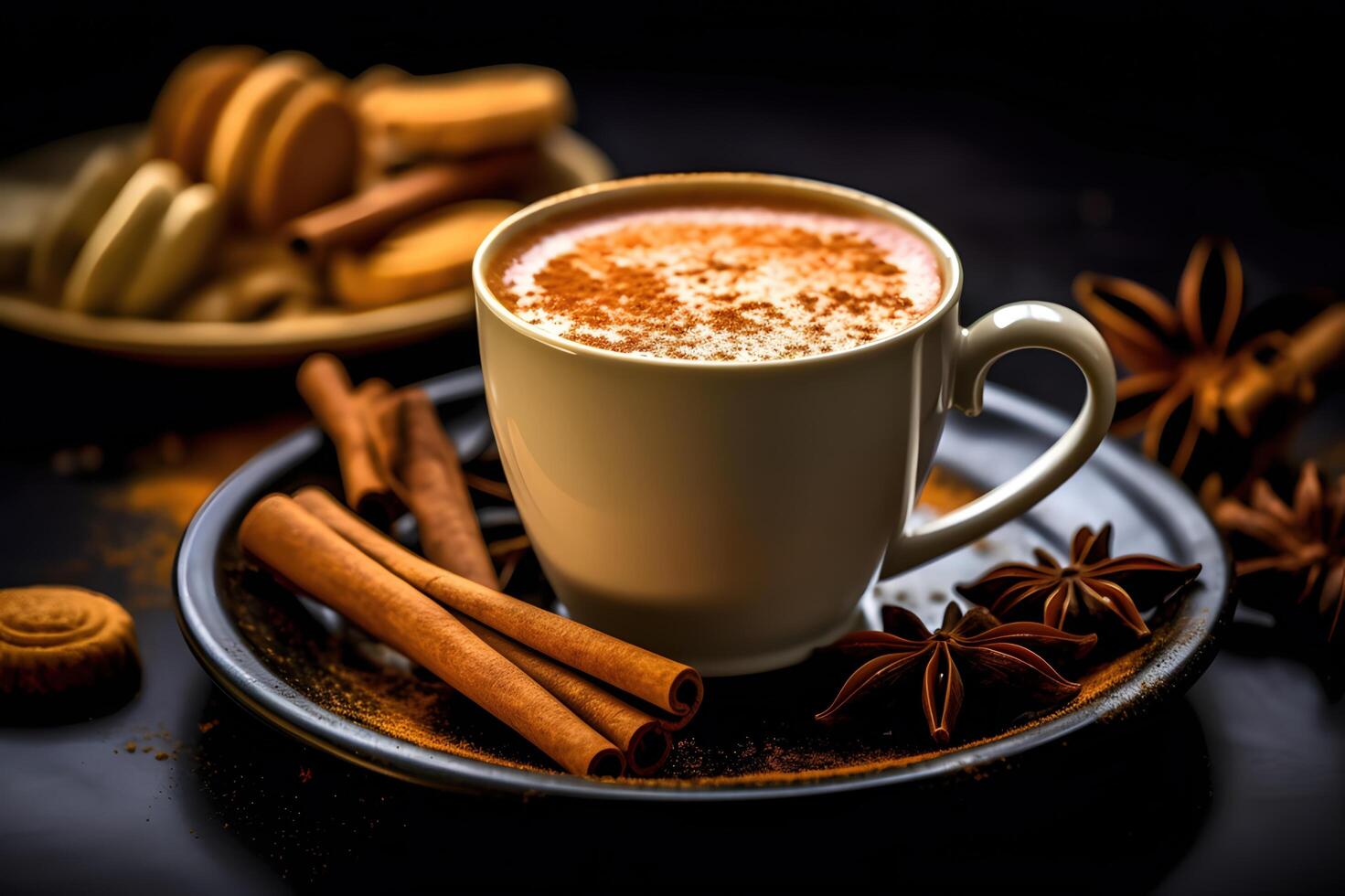
Chai latte typically does not contain gluten. The main ingredients in chai latte are usually black tea, milk, and spices like cinnamon, cardamom, and ginger. However, some pre-made chai latte mixes or flavoring syrups may contain gluten-containing additives. If you have celiac disease or gluten sensitivity, it's best to check the ingredients or ask the barista about the specific chai latte preparation.
4 What teas are not gluten-free?
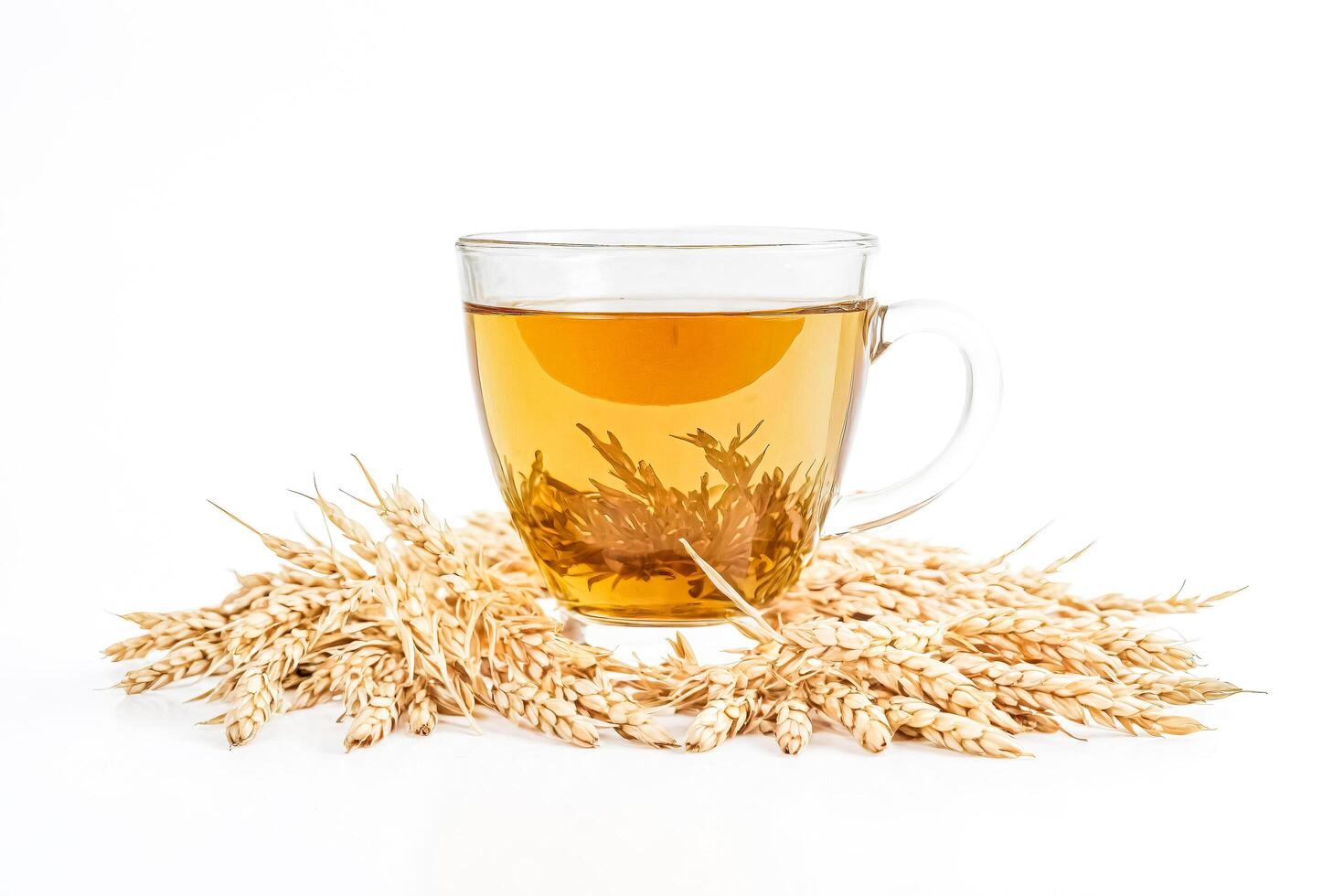
Most teas are naturally gluten-free. However, some flavored teas may contain gluten-containing ingredients or additives. Barley teas, such as mugicha or boricha, are not gluten-free as they are made from barley. It's important to check the ingredients list or contact the manufacturer if you're unsure about a specific tea blend.
LIVE GLUTEN-FREE WITHOUT THE FUSS!
Introducing Tolerase® G, clinically proven to reduce up to 86% of gluten in under 10 minutes. Experience the freedom to eat what you love.
SHOP ANTI-GLUTEN PILLS
150mg pure Tolerase® G · Reduces gluten by 86% · Under 10 minutes

Our Expert

Drs. Ilse van Asperen, Orthomolecular Therapist and Nutritional Coach

Drs. Ilse van Asperen

Orthomolecular Therapist, Nutritional Coach & Professional Editor

Drs. Ilse van Asperen is a medical doctor specialising in orthomolecular therapy and nutritional coaching. With a background in public and clinical health research and management, she focuses on addressing the root causes of health issues through diet, gut health, and stress reduction. As a professional editor for Little Helpers, she reviews all gluten-free content to ensure accuracy, safety, and scientific credibility. Read more on Drs. Ilse van Asperen's own website

Our Sources

The information on this page is based on reputable health and nutrition organisations, ensuring accuracy and reliability for anyone following a gluten-free diet. For further details, see the sources below.
Sources

Similar Articles

Back to blog