Is Konjac Flour Gluten Free?

Is Konjac Flour Gluten Free?

Yes, konjac flour is gluten-free. It is derived from the root of the konjac plant (Amorphophallus konjac), which does not contain gluten proteins found in wheat, barley, and rye.

TL;DR

Yes, konjac flour is gluten-free. It is derived from the root of the konjac plant (Amorphophallus konjac), which does not contain gluten proteins found in wheat, barley, and rye.

Quick Tips

1

Low in calories: Konjac flour is extremely low in calories, making it ideal for weight management.

2

High in fiber: It’s an excellent source of dietary fiber, particularly glucomannan, which aids digestion and promotes feelings of fullness.

3

Blood sugar control: The high fiber content can help slow the absorption of sugar, potentially benefiting those with diabetes.

# In This Article

3 sections

Quick navigation to each section of this article:

1 Benefits of Konjac Flour

Low in calories: Konjac flour is extremely low in calories, making it ideal for weight management.

Jump
2 Who should avoid Konjac Flour

Infants and young children, due to the risk of choking and intestinal blockage

Jump
3 Related Gluten Free products

Here are five similar gluten-free options to Konjac Flour, along with short descriptions:

Jump

Benefits of Konjac Flour

Benefits of Konjac Flour
Low in calories: Konjac flour is extremely low in calories, making it ideal for weight management.
High in fiber: It’s an excellent source of dietary fiber, particularly glucomannan, which aids digestion and promotes feelings of fullness.
Blood sugar control: The high fiber content can help slow the absorption of sugar, potentially benefiting those with diabetes.
Cholesterol reduction: Studies suggest that glucomannan may help lower LDL (bad) cholesterol levels.
Prebiotic properties: It can promote the growth of beneficial gut bacteria, supporting digestive health.
Weight loss aid: The fiber in konjac flour expands in the stomach, potentially reducing appetite and food intake.
Constipation relief: Its high fiber content can help alleviate constipation and promote regular bowel movements.
Gluten-free: Suitable for those with celiac disease or gluten sensitivities.
Low carb: Ideal for low-carb diets as it contains very few digestible carbohydrates.
May reduce inflammation: Some studies suggest that konjac flour may have anti-inflammatory properties.
Potential skin health benefits: When applied topically, konjac has been used to improve skin texture and hydration.Remember to consult with a healthcare professional before making significant changes to your diet or using konjac flour for medicinal purposes.

Who should avoid Konjac Flour

Who should avoid Konjac Flour
Infants and young children, due to the risk of choking and intestinal blockage
People with swallowing difficulties or esophageal problems
Individuals with a history of intestinal obstruction or bowel surgery
Those with known allergies to konjac or its related plants
Pregnant women, unless approved by their healthcare provider
People taking medications that slow down digestion, as konjac may interfere
Individuals with diabetes who are not closely monitoring their blood sugar levels, as konjac can affect glucose absorption
Those with a history of digestive issues, such as severe constipation or diarrhea
People preparing for certain medical procedures, particularly those involving the digestive tract
Individuals who have difficulty staying properly hydrated, as konjac absorbs water in the digestive system
Anyone advised by their healthcare provider to avoid high-fiber foods or supplementsAlways consult with a healthcare professional before adding konjac flour to your diet, especially if you have any pre-existing health conditions or concerns.
ENJOY YOUR FAVORITE FOODS FEARLESSLY!
Don’t let gluten hold you back. Take Anti-Gluten Pills before your meal and enjoy peace of mind.
SHOP ANTI-GLUTEN PILLS
Clinically proven · Up to 86% gluten reduction · Fast acting

Here are five similar gluten-free options to Konjac Flour, along with short descriptions:

Related Gluten Free products
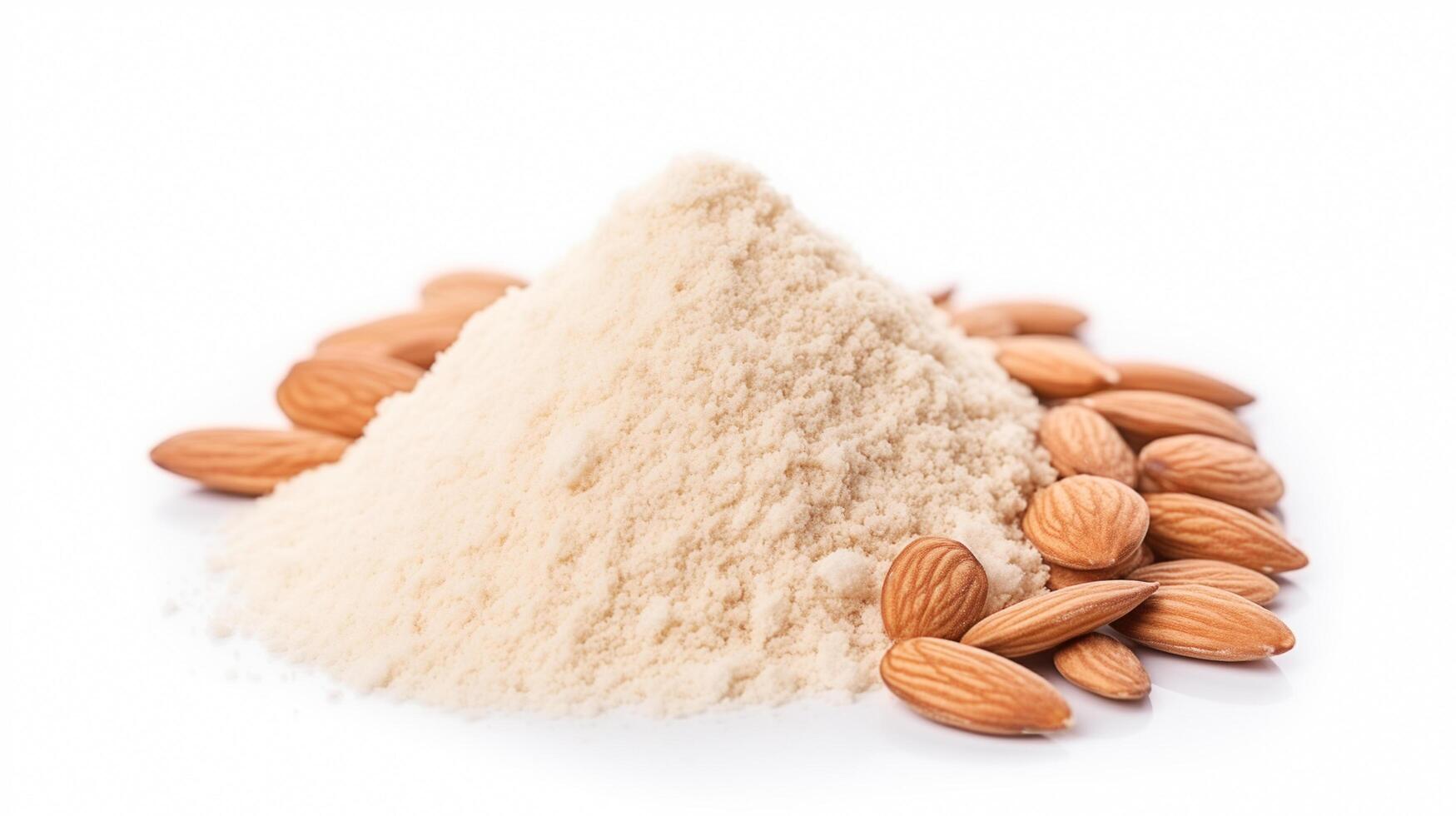
Almond Flour: Made from ground blanched almonds, this flour is high in protein and healthy fats. It's commonly used in gluten-free baking and provides a nutty flavor and moist texture to baked goods.
Coconut Flour: Produced from dried, ground coconut meat, this flour is high in fiber and low in carbohydrates. It's very absorbent and requires additional liquid in recipes, making it ideal for dense, moist baked goods.
Cassava Flour: Made from the whole cassava root, this flour has a neutral flavor and fine texture similar to wheat flour. It's grain-free and works well as a 1:1 substitute in many recipes.
Arrowroot Flour: Extracted from the root of the tropical plant Maranta arundinacea, this light, powdery starch is often used as a thickening agent in sauces and can be combined with other flours for baking.
Tapioca Flour: Also known as tapioca starch, this flour is made from cassava root. It has a slightly sweet flavor and is often used as a thickener or to add chewiness to gluten-free baked goods.

Health Information

? Frequently Asked Questions

4 questions
1 Is konjac flour celiac safe?
Konjac flour is generally considered safe for people with celiac disease. It is naturally gluten-free, as it is derived from the root of the konjac plant. However, as with any food product, there is always a small risk of cross-contamination during processing or packaging. To ensure safety, it's best to choose konjac flour that is specifically labeled as gluten-free and produced in a dedicated gluten-free facility.
2 Is konjac flour hard to digest?
Konjac flour can be challenging for some people to digest. It is a very high-fiber substance that forms a gel-like consistency when mixed with water. This gel can slow down digestion and potentially cause gastrointestinal discomfort in sensitive individuals. However, for many people, konjac flour is well-tolerated when consumed in moderation as part of a balanced diet.
3 What is konjac flour made of?
Konjac flour is made from the root of the konjac plant, also known as elephant yam or devil's tongue. The root is dried and then ground into a fine powder to create the flour. Konjac flour is primarily composed of a soluble fiber called glucomannan. This unique fiber gives konjac flour its gel-like properties when mixed with water, making it useful as a thickener and stabilizer in various food applications.
4 Who should not eat konjac noodles?
People with swallowing difficulties or who are prone to choking should avoid konjac noodles due to their slippery texture and potential to expand in the throat. Individuals with digestive sensitivities may experience discomfort from the high fiber content of konjac noodles. Those on a low-fiber diet or with certain gastrointestinal conditions should consult a doctor before consuming konjac products. Young children should not eat konjac noodles due to the choking hazard.
LIVE GLUTEN-FREE WITHOUT THE FUSS!
Introducing Tolerase® G, clinically proven to reduce up to 86% of gluten in under 10 minutes. Experience the freedom to eat what you love.
SHOP ANTI-GLUTEN PILLS
150mg pure Tolerase® G · Reduces gluten by 86% · Under 10 minutes

Our Expert

Drs. Ilse van Asperen, Orthomolecular Therapist and Nutritional Coach

Drs. Ilse van Asperen

Orthomolecular Therapist, Nutritional Coach & Professional Editor

Drs. Ilse van Asperen is a medical doctor specialising in orthomolecular therapy and nutritional coaching. With a background in public and clinical health research and management, she focuses on addressing the root causes of health issues through diet, gut health, and stress reduction. As a professional editor for Little Helpers, she reviews all gluten-free content to ensure accuracy, safety, and scientific credibility. Read more on Drs. Ilse van Asperen's own website

Our Sources

The information on this page is based on reputable health and nutrition organisations, ensuring accuracy and reliability for anyone following a gluten-free diet. For further details, see the sources below.
Sources

Similar Articles

Back to blog