Is Lightlife Tempeh Gluten Free?

Is Lightlife Tempeh Gluten Free?

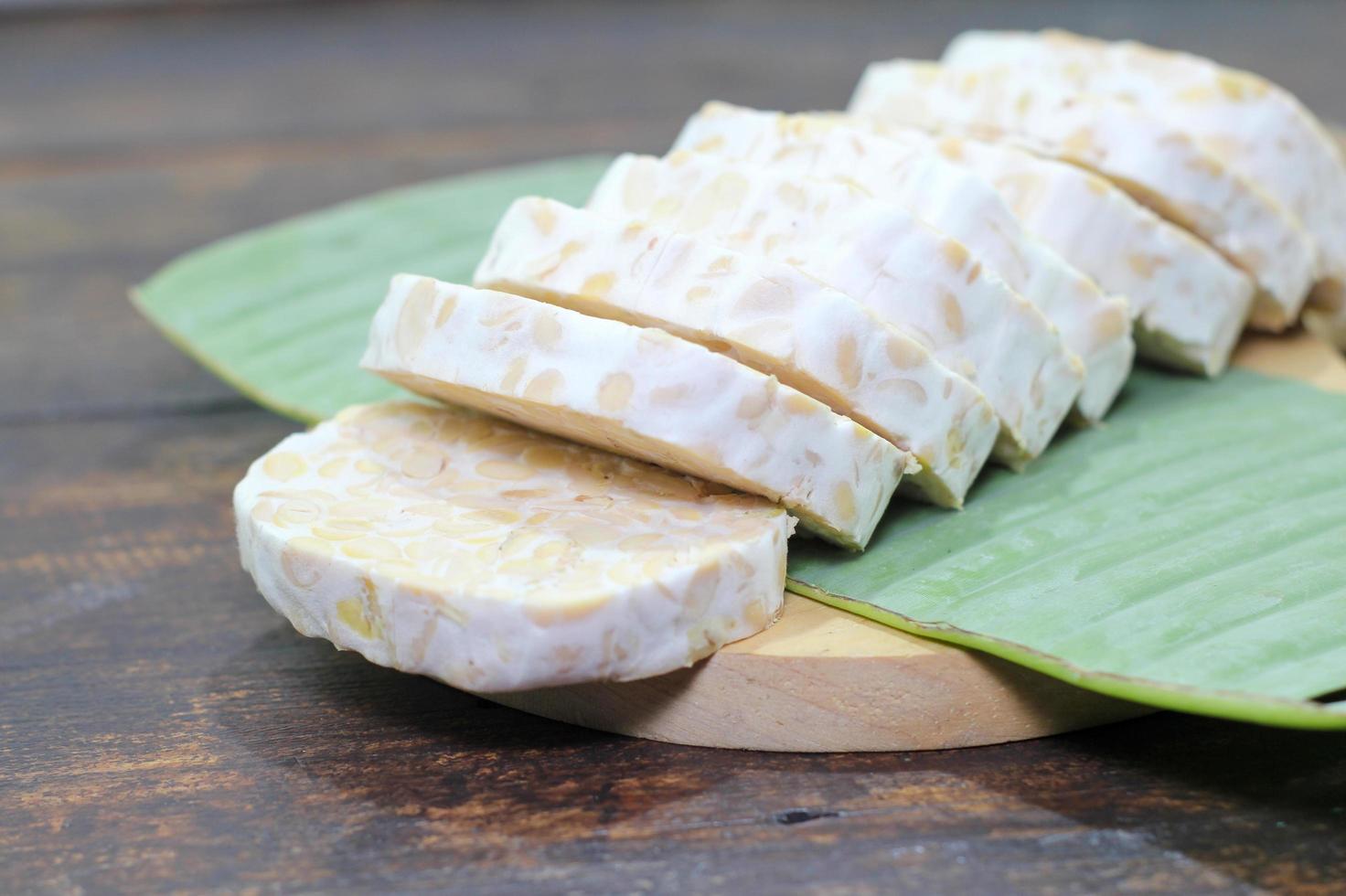
Lightlife Tempeh is generally gluten-free as it is made from fermented soybeans, which do not contain gluten. However, it’s always important to check the specific product label for any potential cross-contamination warnings or added ingredients that might contain gluten.

TL;DR

Lightlife Tempeh is generally gluten-free as it is made from fermented soybeans, which do not contain gluten. However, it’s always important to check the specific product label for any potential cross-contamination warnings or added ingredients that might contain gluten.

Quick Tips

1

High in protein: Tempeh is an excellent source of plant-based protein, which is essential for muscle growth and repair.

2

Rich in probiotics: The fermentation process creates beneficial bacteria that can support gut health and digestion.

3

Good source of fiber: Tempeh contains dietary fiber, which aids in digestion and promotes feelings of fullness.

# In This Article

3 sections

Quick navigation to each section of this article:

1 Benefits of Lightlife Tempeh

High in protein: Tempeh is an excellent source of plant-based protein, which is essential for muscle growth and repair.

Jump
2 Who should avoid Lightlife Tempeh

People with soy allergies: Tempeh is made from fermented soybeans, so those with soy allergies should avoid it.

Jump
3 Related Gluten Free Products

Here are five gluten-free options similar to Lightlife Tempeh, along with short descriptions:

Jump

Benefits of Lightlife Tempeh

Benefits of Lightlife Tempeh
High in protein: Tempeh is an excellent source of plant-based protein, which is essential for muscle growth and repair.
Rich in probiotics: The fermentation process creates beneficial bacteria that can support gut health and digestion.
Good source of fiber: Tempeh contains dietary fiber, which aids in digestion and promotes feelings of fullness.
Contains isoflavones: These compounds found in soy may help reduce the risk of certain cancers and heart disease.
Low in saturated fat: Tempeh is naturally low in saturated fat, making it a heart-healthy protein option.
Provides essential minerals: It’s a good source of iron, calcium, and magnesium, which are important for various bodily functions.
Contains vitamin B12: Tempeh is one of the few plant-based sources of vitamin B12, which is crucial for nerve function and red blood cell formation.
May help manage cholesterol: Some studies suggest that soy proteins can help lower LDL (bad) cholesterol levels.
Supports bone health: The calcium and isoflavones in tempeh may contribute to stronger bones.
Versatile and easy to digest: Tempeh is easier to digest than some other soy products due to the fermentation process.Remember that while tempeh offers these potential benefits, it’s important to consume it as part of a balanced diet for optimal health.

Who should avoid Lightlife Tempeh

Who should avoid Lightlife Tempeh
People with soy allergies: Tempeh is made from fermented soybeans, so those with soy allergies should avoid it.
Individuals with thyroid issues: Soy can interfere with thyroid hormone absorption, so people with thyroid conditions should consult their doctor before consuming tempeh regularly.
Those on a low-FODMAP diet: Tempeh contains oligosaccharides, which can be problematic for people following a low-FODMAP diet for digestive issues.
People with compromised immune systems: While rare, there is a small risk of bacterial contamination in fermented foods like tempeh.
Individuals taking MAO inhibitors: Fermented soy products can interact with these medications, so it’s best to consult a doctor before consuming tempeh.
Those with gout or at high risk for developing gout: Tempeh is high in purines, which can exacerbate gout symptoms.
People with kidney problems: The high protein content in tempeh may not be suitable for those with certain kidney conditions.
Individuals with specific digestive issues: Some people may experience digestive discomfort when consuming fermented foods like tempeh.
Those on a low-sodium diet: Some commercial tempeh products, including some Lightlife varieties, may contain added salt.Always consult with a healthcare professional or registered dietitian if you have concerns about including tempeh in your diet.
ENJOY YOUR FAVORITE FOODS FEARLESSLY!
Don’t let gluten hold you back. Take Anti-Gluten Pills before your meal and enjoy peace of mind.
SHOP ANTI-GLUTEN PILLS
Clinically proven · Up to 86% gluten reduction · Fast acting

Here are five gluten-free options similar to Lightlife Tempeh, along with short descriptions:

Related Gluten Free Products
Beyond Meat Beyond Beef: A plant-based ground beef alternative made from pea protein, this product mimics the texture and flavor of ground beef. It's suitable for burgers, tacos, and other dishes traditionally using ground meat.
Quorn Meatless Pieces: These chicken-style pieces are made from mycoprotein (a fungus-based protein) and are gluten-free. They're ideal for stir-fries, curries, and salads.
Upton's Naturals Jackfruit: This minimally processed jackfruit product has a texture similar to pulled pork. It's low in calories and perfect for barbecue-style dishes or tacos.
Field Roast Celebration Roast: Although not all Field Roast products are gluten-free, this particular roast is made with gluten-free ingredients. It's a festive centerpiece made from vegetables, grains, and legumes, ideal for holiday meals or special occasions.Remember to always check product labels, as ingredients and manufacturing processes can change.

Health Information

? Frequently Asked Questions

4 questions
1 Are LightLife products gluten free?
LightLife offers a variety of plant-based meat alternatives. Many of their products are gluten-free, but not all of them. It's important to check the packaging or their website for specific product information. LightLife clearly labels their gluten-free products to help consumers make informed choices.
2 Can you get gluten free tempeh?
Yes, tempeh can be gluten-free. Traditional tempeh is made from fermented soybeans, which are naturally gluten-free. However, some commercial tempeh products may contain added grains that contain gluten, such as barley or wheat. To ensure you're getting gluten-free tempeh, always check the ingredient list or look for products specifically labeled as gluten-free.
3 What is in LightLife tempeh?
LightLife tempeh is primarily made from fermented soybeans. It also typically contains water and a culture starter to initiate fermentation. Some varieties may include additional grains like brown rice or millet. LightLife tempeh is a good source of plant-based protein and is often used as a meat alternative in vegetarian and vegan diets.
4 Is Green Cuisine tempeh gluten free?
Green Cuisine tempeh is generally considered gluten-free. Tempeh is traditionally made from fermented soybeans, which do not contain gluten. However, it's always important to check the specific product label for any additional ingredients or potential cross-contamination warnings. If you have celiac disease or a severe gluten sensitivity, it's best to contact the manufacturer directly to confirm their production processes and ingredients.
LIVE GLUTEN-FREE WITHOUT THE FUSS!
Introducing Tolerase® G, clinically proven to reduce up to 86% of gluten in under 10 minutes. Experience the freedom to eat what you love.
SHOP ANTI-GLUTEN PILLS
150mg pure Tolerase® G · Reduces gluten by 86% · Under 10 minutes

Our Expert

Drs. Ilse van Asperen, Orthomolecular Therapist and Nutritional Coach

Drs. Ilse van Asperen

Orthomolecular Therapist, Nutritional Coach & Professional Editor

Drs. Ilse van Asperen is a medical doctor specialising in orthomolecular therapy and nutritional coaching. With a background in public and clinical health research and management, she focuses on addressing the root causes of health issues through diet, gut health, and stress reduction. As a professional editor for Little Helpers, she reviews all gluten-free content to ensure accuracy, safety, and scientific credibility. Read more on Drs. Ilse van Asperen's own website

Our Sources

The information on this page is based on reputable health and nutrition organisations, ensuring accuracy and reliability for anyone following a gluten-free diet. For further details, see the sources below.
Sources

Similar Articles

Back to blog