Is Tempeh Gluten Free?

Is Tempeh Gluten Free?

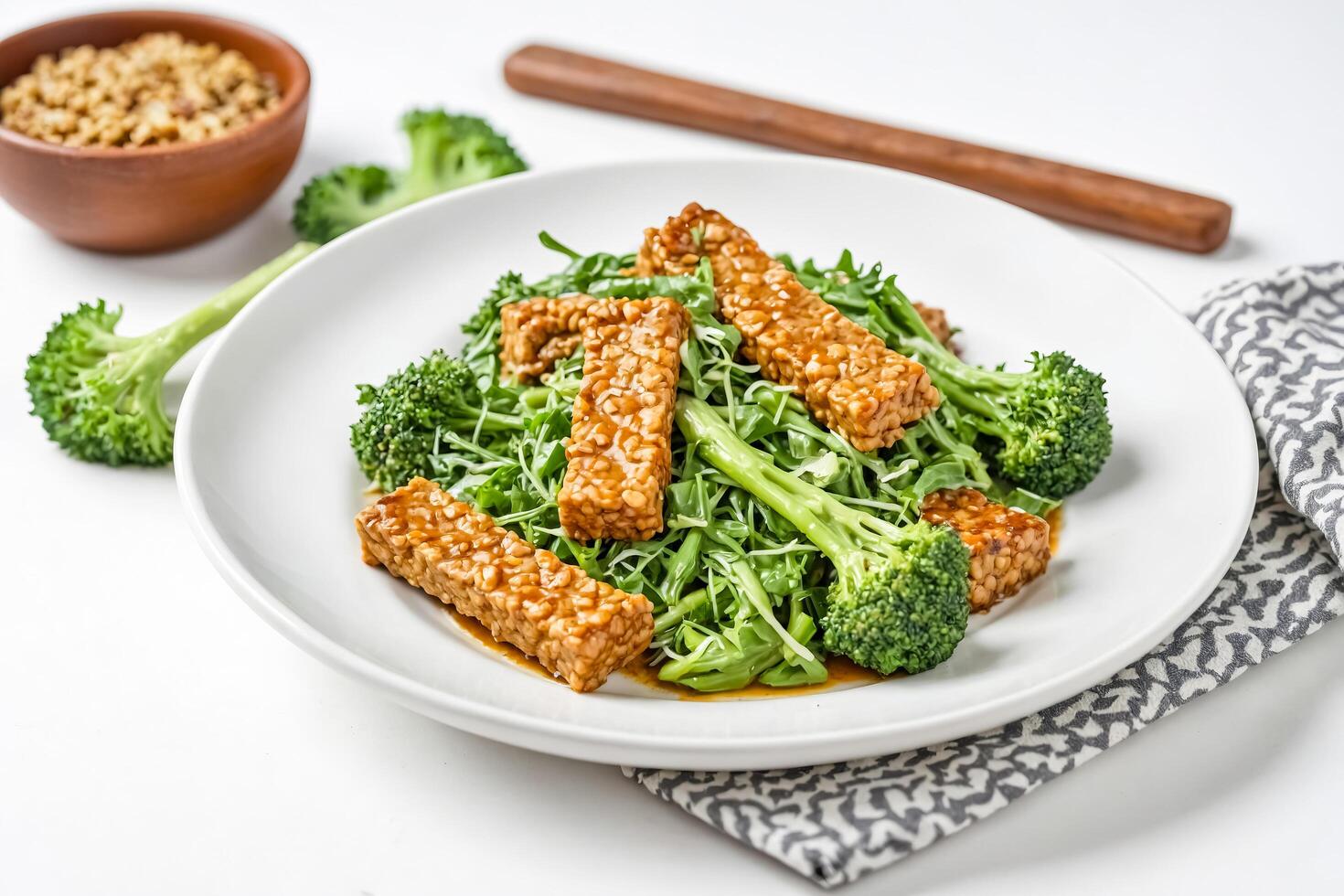
Yes, tempeh is naturally gluten-free as it is made from fermented soybeans. However, it’s important to check labels or with manufacturers, as some commercially produced tempeh may contain added ingredients or be processed in facilities that also handle gluten-containing products.

TL;DR

Yes, tempeh is naturally gluten-free as it is made from fermented soybeans. However, it’s important to check labels or with manufacturers, as some commercially produced tempeh may contain added ingredients or be processed in facilities that also handle gluten-containing products.

Quick Tips

1

High in protein: Excellent plant-based protein source for vegetarians and vegans

2

Rich in probiotics: Supports gut health and digestion due to its fermentation process

3

Good source of fiber: Aids in digestion and promotes feelings of fullness

# In This Article

3 sections

Quick navigation to each section of this article:

1 Benefits of Tempeh

High in protein: Excellent plant-based protein source for vegetarians and vegans

Jump
2 Who should avoid Tempeh

People with soy allergies: Tempeh is made from soybeans, so those with soy allergies should avoid it.

Jump
3 Related Gluten Free Products

Here are five gluten-free options similar to tempeh, along with short descriptions:

Jump

Benefits of Tempeh

Benefits of Tempeh
High in protein: Excellent plant-based protein source for vegetarians and vegans
Rich in probiotics: Supports gut health and digestion due to its fermentation process
Good source of fiber: Aids in digestion and promotes feelings of fullness
Contains essential vitamins and minerals: Including vitamin B12, iron, calcium, and magnesium
Low in saturated fat and cholesterol: Beneficial for heart health
High in isoflavones: May help reduce the risk of certain cancers and improve bone density
Good source of antioxidants: Helps protect cells from damage caused by free radicals
May help lower cholesterol levels: Due to its soy protein content
Supports blood sugar control: Has a low glycemic index and may help manage diabetes
Promotes muscle growth and repair: Thanks to its complete protein profile
May reduce menopausal symptoms: Due to its phytoestrogen content
Supports weight management: High protein and fiber content helps with satiety
Versatile and easy to prepare: Can be incorporated into various dishes as a meat substitute
Contains prebiotics: Supports the growth of beneficial gut bacteria
May improve cognitive function: Due to its high content of niacin and other B vitamins

Who should avoid Tempeh

Who should avoid Tempeh
People with soy allergies: Tempeh is made from soybeans, so those with soy allergies should avoid it.
Individuals with thyroid issues: Soy contains goitrogens, which can interfere with thyroid function in some people.
Those on MAOIs (Monoamine Oxidase Inhibitors): Tempeh contains tyramine, which can interact with these medications.
People with gout: Tempeh is high in purines, which can exacerbate gout symptoms in some individuals.
Those with compromised immune systems: Unpasteurized tempeh may contain bacteria that could be harmful to immunocompromised individuals.
Infants and young children: Soy products are not recommended as a primary source of nutrition for infants and young children.
Individuals with certain hormone-sensitive conditions: Due to the phytoestrogens in soy, some people with hormone-sensitive conditions may need to limit intake.
Those with digestive issues: Some people may experience digestive discomfort from fermented foods like tempeh.
Individuals on low-FODMAP diets: Tempeh contains oligosaccharides, which are FODMAPs that some people need to avoid.Remember, it’s always best to consult with a healthcare professional or registered dietitian for personalized advice.
ENJOY YOUR FAVORITE FOODS FEARLESSLY!
Don’t let gluten hold you back. Take Anti-Gluten Pills before your meal and enjoy peace of mind.
SHOP ANTI-GLUTEN PILLS
Clinically proven · Up to 86% gluten reduction · Fast acting

Here are five gluten-free options similar to tempeh, along with short descriptions:

Related Gluten Free Products
Seitan: A wheat-based protein that's high in gluten, but can be made gluten-free using vital wheat gluten and gluten-free flours. It has a dense, chewy texture and can be flavored in various ways.
Tofu: Made from soybeans, tofu is a versatile protein source that comes in different textures (silken, firm, extra-firm). It readily absorbs flavors and can be used in both savory and sweet dishes.
Jackfruit: A large tropical fruit with a meaty texture when young. It's often used as a meat substitute in dishes like pulled "pork" sandwiches and tacos, offering a fibrous texture similar to shredded meat.
Textured Vegetable Protein (TVP): Made from defatted soy flour, TVP comes in dried form and rehydrates to create a meat-like texture. It's often used in ground meat replacements and can be flavored easily.
Chickpea Flour Blocks: Also known as Burmese tofu or shan tofu, these blocks are made from chickpea flour and water. They have a firm texture and can be used similarly to tofu in many recipes.

Health Information

? Frequently Asked Questions

4 questions
1 Is Trader Joe's tempeh gluten free?
Trader Joe's tempeh is generally gluten-free. The main ingredients in tempeh are typically fermented soybeans, which do not contain gluten. However, it's always important to check the specific product label for the most accurate information. Some flavored or specialty tempeh products may contain added ingredients that could include gluten.
2 Is tempeh inflammatory?
Tempeh is generally considered anti-inflammatory rather than inflammatory. Its fermentation process creates beneficial compounds that may help reduce inflammation in the body. Tempeh is rich in probiotics and antioxidants, which can contribute to overall health and potentially lower inflammation levels. However, individual responses may vary, and those with soy allergies should avoid tempeh.
3 Why is tofu not gluten-free?
Tofu is actually gluten-free. It is made from soybeans, which do not contain gluten. The confusion may arise because some processed tofu products can contain added ingredients that have gluten. However, plain, traditional tofu is naturally gluten-free.
4 Is there a seitan that is gluten-free?
Seitan is traditionally made from wheat gluten, so it is not gluten-free by nature. However, some companies have developed gluten-free seitan alternatives using other plant-based proteins. These products often use ingredients like pea protein, soy protein, or various legumes to mimic the texture of traditional seitan. While these alternatives may be suitable for those avoiding gluten, they are not technically "seitan" in the traditional sense.
LIVE GLUTEN-FREE WITHOUT THE FUSS!
Introducing Tolerase® G, clinically proven to reduce up to 86% of gluten in under 10 minutes. Experience the freedom to eat what you love.
SHOP ANTI-GLUTEN PILLS
150mg pure Tolerase® G · Reduces gluten by 86% · Under 10 minutes

Our Expert

Drs. Ilse van Asperen, Orthomolecular Therapist and Nutritional Coach

Drs. Ilse van Asperen

Orthomolecular Therapist, Nutritional Coach & Professional Editor

Drs. Ilse van Asperen is a medical doctor specialising in orthomolecular therapy and nutritional coaching. With a background in public and clinical health research and management, she focuses on addressing the root causes of health issues through diet, gut health, and stress reduction. As a professional editor for Little Helpers, she reviews all gluten-free content to ensure accuracy, safety, and scientific credibility. Read more on Drs. Ilse van Asperen's own website

Our Sources

The information on this page is based on reputable health and nutrition organisations, ensuring accuracy and reliability for anyone following a gluten-free diet. For further details, see the sources below.
Sources

Similar Articles

Back to blog